

El Chapo Guzman's son reportedly turned in his father-in-law and brother-in-law for allegedly leaking photographs
Ivan Archivaldo Guzman Salazar reportedly lost confidence in his closest men after a photo of him with his family was leaked
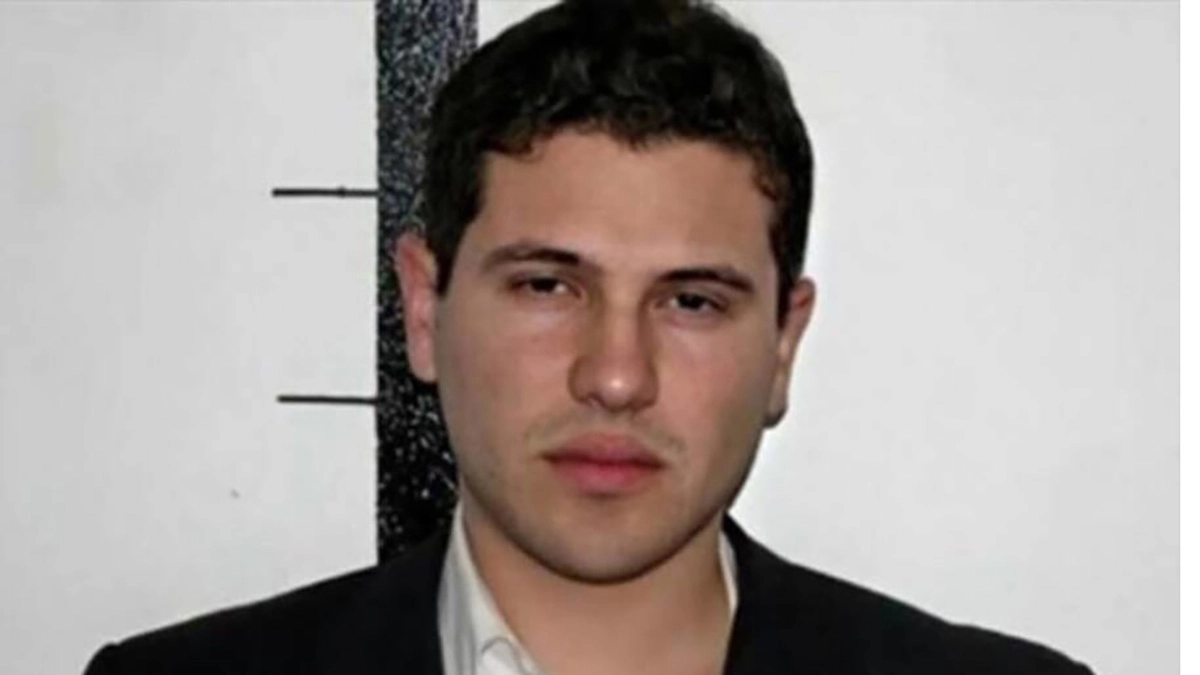

The leak of a photograph in which Ivan Archivaldo Guzman Salazar appeared with his son was reportedly the trigger for a chain of internal decisions that led to the arrest of his father-in-law and brother-in-law, as well as in The death of Oscar Noe Medina Gonzalez, alias “El Panu,” one of his most trusted men. This is the line of investigation presented by journalist Jose Luis Montenegro, who maintains that the origin of the recent wave of arrests in the inner circle of the leader of Los Chapitos was not only pressure from the authorities, but a purge motivated by distrust and betrayal. According to Montenegro, author of “Los Chapitos: Criminal X-ray of the Heirs of the Sinaloa Cartel,” Ivan Archivaldo lost confidence in his father-in-law, Mario Lindoro Elenes, and his brother-in-law, Mario Alfredo Lindoro Navidad, after private images began circulating on social media. The release of the photograph, in which he was seen with his family, was interpreted as a serious leak that compromised his safety and revealed fractures within his inner circle. The journalist explained in an interview with Aristegui Noticias that, after this incident, Guzman Salazar allegedly gave both of his in-laws an ultimatum to surrender to the authorities. In that same context, “El Panu,” head of security and close friend of Ivan Archivaldo, came under suspicion of having facilitated the leak. According to the sources cited by Montenegro, the three individuals allegedly participated directly or indirectly in the dissemination of the image, which sealed their fate within the organization. The distrust was so profound that Medina Gonzalez spent weeks outside of Sinaloa, taking refuge in Mexico City with relatives, fearing reprisals. For Montenegro, this move confirmed that the internal rupture was already irreversible and that the downfall of these figures was neither accidental nor solely the result of federal operations. This version gains greater relevance when recalling previous statements by Montenegro himself. In February, in interviews reported by Infobae and Proceso,The journalist already warned that Ivan Archivaldo was visibly agitated by the authorities' encirclement and by the betrayals within his inner circle. At that time, he asserted that the leader of Los Chapitos was experiencing a nervous breakdown, sleeping little, and beginning to distrust even his closest collaborators. In that same interview, Montenegro went so far as to predict the downfall of “El Panu,” whom he identified as one of the most vulnerable links in the organization. At that time, Montenegro also linked Guzman Salazar's emotional state to the recent blows against his organization. The arrests of key operatives, such as Jose Angel Canobbio, alias “El Guerito,” and Kevin Alonso Gil Acosta, alias “El 200,” intensified the feeling of being besieged. Both were considered key figures in the logistics, security, and operations of Los Chapitos, according to information from Mexican and US authorities. Beyond the internal drama, the journalist frames these events within a larger-scale criminal reorganization. He argues that the alliance between Los Chapitos and the Jalisco New Generation Cartel responds to a logic of survival and mutual benefit, amidst the internal war within the Sinaloa Cartel and the fragmentation of old loyalties. This scenario, marked by betrayals, prearranged surrenders, and silent disputes, is accelerating the end of the cartel as it was known. For Montenegro, Ivan Archivaldo's recent history cannot be understood without this context: a pressured leadership, surrounded by distrust, and forced to sacrifice its own inner circle to stay afloat. The leak of a single, apparently minor image ended up exposing the fragility of one of the country's most powerful criminal organizations and foreshadowing a downfall that, according to the journalist himself, had been brewing for months. Security and operations of Los Chapitos, according to information from Mexican and US authorities.
Beyond the internal drama, the journalist frames these events within a larger-scale criminal reorganization process. He argues that the alliance between Los Chapitos and the Jalisco New Generation Cartel responds to a logic of survival and mutual convenience, amidst the internal war of the Sinaloa Cartel and the fragmentation of old loyalties.
This scenario, marked by betrayals, negotiated surrenders, and silent disputes, is accelerating the end of the cartel as it was known. For Montenegro, Ivan Archivaldo's recent history cannot be understood without this context: a pressured leadership, surrounded by distrust, and forced to sacrifice its own inner circle to stay afloat. The leak of a single, apparently minor image ended up exposing the fragility of one of the country's most powerful criminal organizations and foreshadowing a downfall that, according to the journalist himself, had been brewing for months. Security and operations of Los Chapitos,according to information from Mexican and US authorities.
Beyond the internal drama, the journalist frames these events within a larger-scale criminal reorganization process. He argues that the alliance between Los Chapitos and the Jalisco New Generation Cartel responds to a logic of survival and mutual convenience, amidst the internal war of the Sinaloa Cartel and the fragmentation of old loyalties.
This scenario, marked by betrayals, negotiated surrenders, and silent disputes, is accelerating the end of the cartel as it was known. For Montenegro, Ivan Archivaldo's recent history cannot be understood without this context: a pressured leadership, surrounded by distrust, and forced to sacrifice its own inner circle to stay afloat. The leak of a single, seemingly minor image ended up exposing the fragility of one of the country's most powerful criminal organizations and foreshadowing a downfall that, according to the journalist himself, had been brewing for months.