

India Calls for Indus Waters Treaty Overhaul Amid Rising Tensions with Pakistan
India seeks to renegotiate the Indus Waters Treaty with Pakistan, citing outdated provisions, environmental concerns, and security issues.
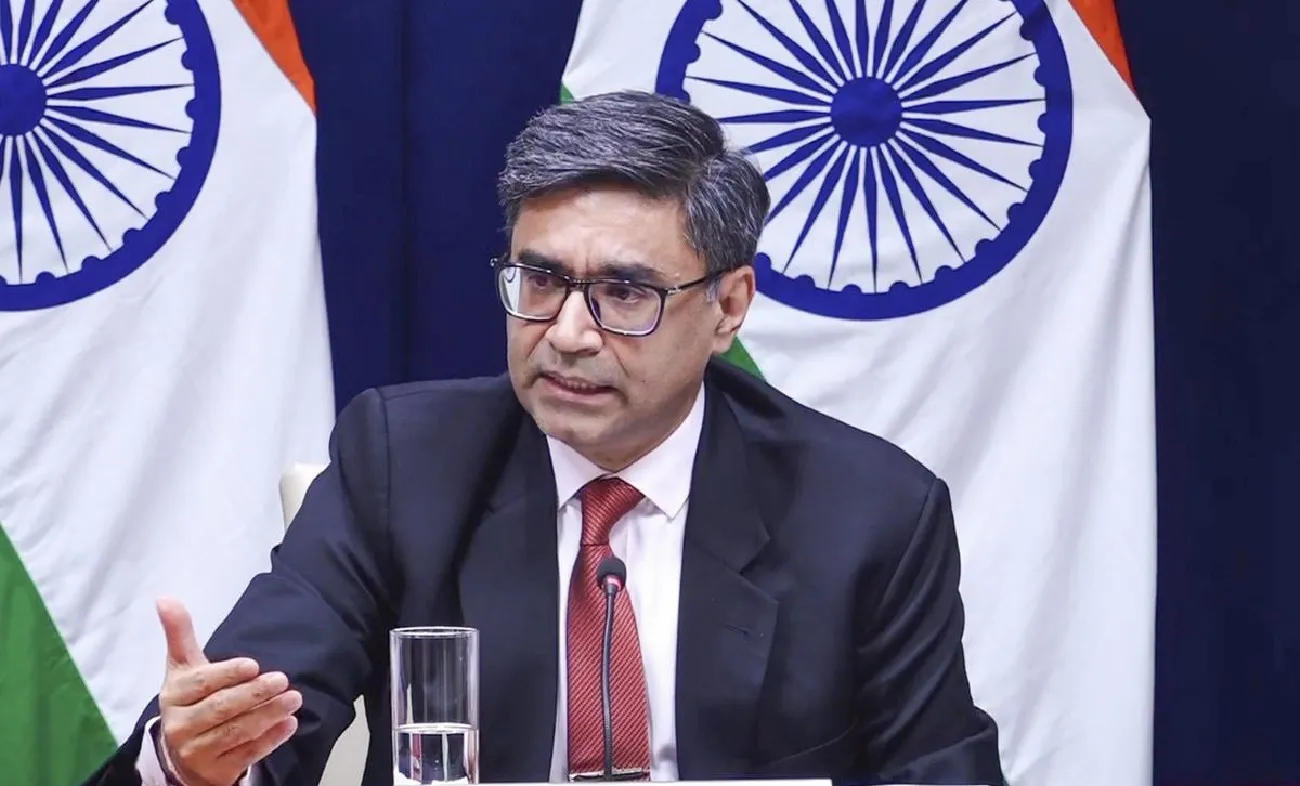

In a pivotal move reflecting shifting geopolitical dynamics, India has formally initiated steps to renegotiate the Indus Waters Treaty (IWT) with Pakistan. This decision underscores India’s growing concerns over the treaty’s relevance in the face of contemporary challenges, including environmental changes, technological advancements, and security threats.
Historical Context of the Indus Waters Treaty
Signed in 1960, the IWT was a landmark agreement brokered by the World Bank, delineating water-sharing rights between India and Pakistan over the Indus River system. Under the treaty, India received control over the eastern rivers Ravi, Beas, and Sutlej while Pakistan was granted rights over the western rivers Indus, Jhelum, and Chenab. Despite periods of conflict, the treaty has been upheld for over six decades, symbolizing a rare instance of cooperation between the two nations.
India’s Rationale for Seeking Modification
Foreign Secretary Vikram Misri articulated India’s position, emphasizing that the circumstances under which the IWT was conceived have fundamentally changed. He noted that for the past 2.5 years, India has been in communication with Pakistan, sending multiple notices requesting negotiations to discuss modifications to the treaty. Despite honoring the treaty for over 65 years, even during times of conflict, India contends that Pakistan has violated the agreement by creating legal obstacles to India’s legitimate rights over the western rivers.
Misri highlighted that the treaty was based on engineering techniques from the 1950s and 60s, which are now outdated. He stressed the need to account for technological advancements and environmental changes, suggesting that the treaty requires an overhaul to reflect current realities.
Accelerated Hydroelectric Projects in Kashmir
Following the suspension of the IWT, India has expedited the construction of four hydroelectric projects in Kashmir: Pakal Dul (1,000 MW), Kiru (624 MW), Kwar (540 MW), and Ratle (850 MW). These projects, situated on the Chenab River, are now slated for completion ahead of schedule between 2026 and 2028. The acceleration is part of a broader initiative to fast-track water infrastructure amid escalating tensions with Pakistan.
India’s actions have already impacted water flows into Pakistan, prompting warnings from Islamabad about potential agricultural disruptions and threats of legal and military repercussions. Additionally, India plans to advance work on a total of seven hydro projects with a combined capacity of 7 GW, valued at approximately $4.73 billion.
Pakistan’s Response and International Implications
Pakistan has expressed strong objections to India’s unilateral actions, viewing them as violations of the treaty. The dispute over the Ratle project, in particular, is under arbitration at The Hague. Pakistan reports significant variations in Chenab River water inflows, attributing them to Indian hydro activities, which could adversely affect irrigation and canal operations.
The escalating tensions have raised concerns about the potential for conflict between the nuclear-armed neighbors. Analysts warn that disputes over water resources, compounded by broader regional stresses, could lead to catastrophic consequences, potentially marking the beginning of a new era of "water wars."
Environmental and Technological Considerations
India argues that the IWT lacks provisions to address contemporary environmental challenges, such as climate change and the retreat of Himalayan glaciers. These changes have significant implications for river flow patterns, necessitating a reassessment of water-sharing terms. Furthermore, India emphasizes the need to accelerate the development of clean energy through hydropower projects to meet emission targets, which are hindered by the current treaty provisions.
India’s call to renegotiate the Indus Waters Treaty reflects a complex interplay of environmental, technological, and security considerations. As both nations navigate these challenges, the future of the treaty remains uncertain. The international community watches closely, hopeful for a resolution that ensures equitable water sharing and regional stability.