

India-Germany Relations Strengthened as PM Modi and Chancellor Scholz Discuss Key Partnerships
Indian PM Narendra Modi and German Chancellor Olaf Scholz meet in New Delhi to discuss enhancing India-Germany cooperation on a variety of global and bilateral issues.
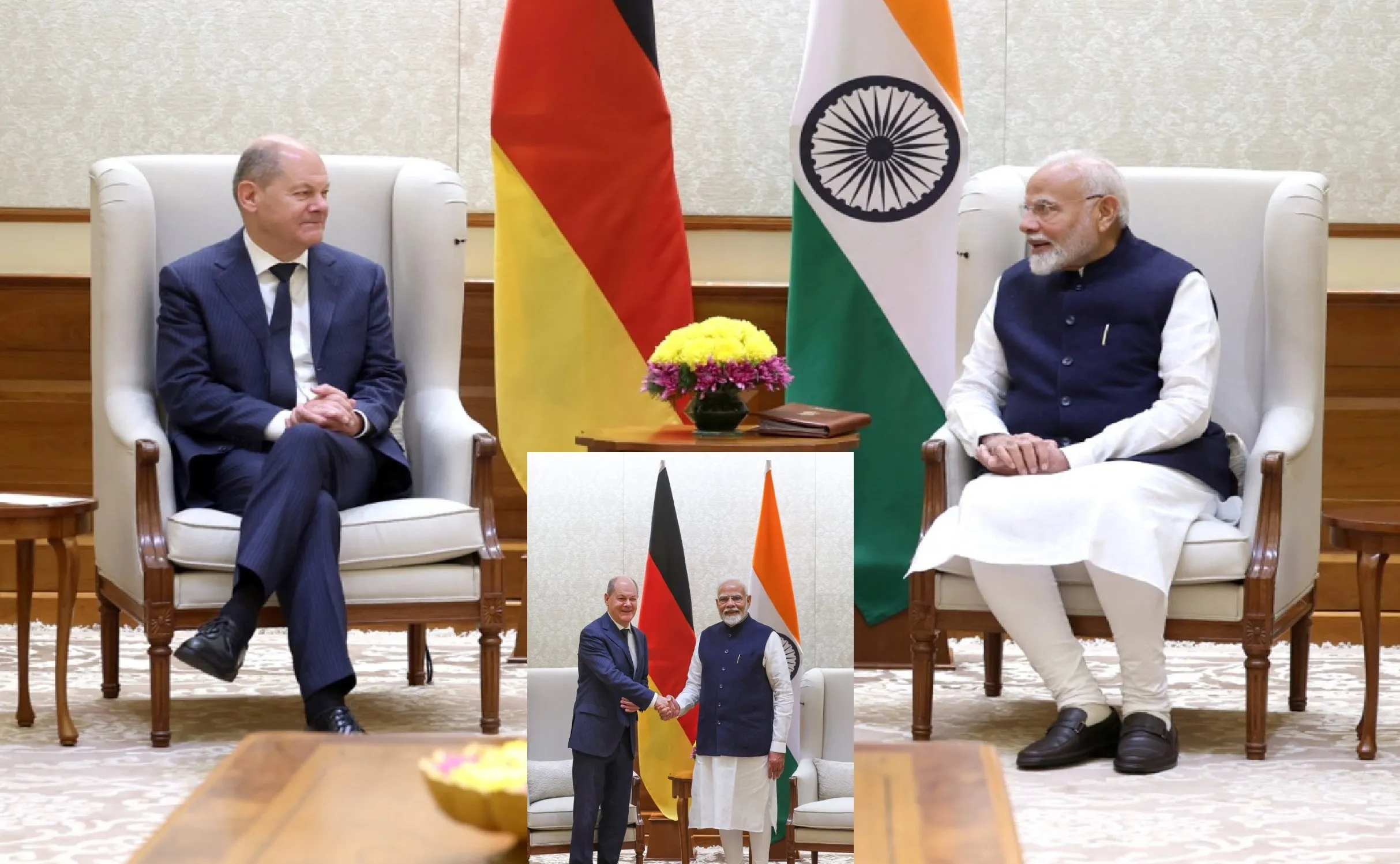

Indian Prime Minister Narendra Modi warmly welcomed German Chancellor Olaf Scholz to his official residence in New Delhi on October 23, 2024, marking a significant moment in the strengthening of India-Germany relations. During the high-profile meeting, both leaders engaged in discussions covering a wide range of issues pertinent to the two countries, including trade, defense cooperation, technological collaboration, and environmental sustainability. As both nations aim to tackle pressing global challenges together, the visit underscores the deepening ties between India and Germany and the commitment to building a prosperous future through robust developmental cooperation.
A Warm Welcome and Renewed Commitment
PM Modi extended a warm reception to Chancellor Scholz, highlighting the deep-rooted friendship between India and Germany. Addressing the significance of this visit, Modi expressed confidence that the meeting would pave the way for enhanced cooperation across various sectors. “Glad to be meeting my friend, Chancellor Scholz, to discuss a diverse range of issues that will add momentum to the India-Germany friendship. Our nations have a strong track record of developmental cooperation, and we look forward to building on this in the times to come,” he stated.
The leaders’ commitment to expanding partnerships reflects a mutual understanding of the importance of shared objectives and the role that India and Germany can play in advancing global stability. With a strategic focus on development and peace, both Modi and Scholz reaffirmed their nations’ dedication to reinforcing diplomatic ties through productive dialogue and collaboration.
Enhancing Trade and Economic Ties
A primary focus of the discussions between Modi and Scholz was on enhancing trade and economic relations. As India continues to emerge as one of the fastest-growing major economies, Germany, as its largest trading partner within the European Union, is eager to expand economic engagements. In recent years, bilateral trade between the two nations has been on an upward trajectory, driven by India’s emphasis on attracting foreign investments and Germany’s interest in Asian markets.
During the meeting, the leaders deliberated on specific measures to streamline trade processes, ease regulatory barriers, and foster a favorable environment for German companies in India. Discussions also centered around bolstering supply chains, especially in sectors like manufacturing, renewable energy, and automotive industries, where German expertise and Indian resources create a complementary synergy. Both nations reiterated their commitment to facilitating trade that supports sustainable growth and job creation.
Cooperation in Defense and Security
Defense and security were also prominent on the agenda, with both leaders emphasizing the need to strengthen defense ties amid evolving global security dynamics. India and Germany are keen on deepening defense cooperation to counter regional and global threats, and the discussion involved potential joint projects in defense manufacturing, technology sharing, and cybersecurity.
Germany’s support for India’s defense sector is seen as a strategic alignment in countering regional security concerns. The leaders discussed the prospect of Germany assisting India in indigenizing defense manufacturing, a move that aligns with India’s ‘Make in India’ initiative and Germany’s commitment to supporting partners in strengthening self-reliance. This defense partnership is expected to enhance both countries’ capabilities in safeguarding their sovereignty and addressing global security challenges collaboratively.
Technological and Scientific Innovation
Both leaders underscored the importance of technological and scientific collaboration, identifying areas like artificial intelligence, digital infrastructure, and space technology as potential avenues for cooperative projects. In an increasingly digital world, both India and Germany recognize the transformative power of technology and the necessity of fostering an environment conducive to innovation.
Modi and Scholz explored avenues to enhance collaboration in research and development, with the goal of creating solutions that address societal needs such as healthcare, clean energy, and urban planning. Furthermore, the German delegation expressed a keen interest in contributing to India’s digital transformation initiatives, which aim to build a robust infrastructure capable of supporting India’s rapidly growing digital economy. By pooling their technological strengths, both countries hope to contribute to sustainable development on a global scale.
Environmental Sustainability and Climate Action
Climate change and environmental sustainability were key topics during the meeting, with both leaders reaffirming their commitment to advancing sustainable practices. Germany has long been a pioneer in renewable energy, while India is swiftly expanding its renewable capacity, making them natural partners in the global fight against climate change. Discussions included cooperation in green technology, such as hydrogen fuel, and the promotion of sustainable agricultural practices.
Chancellor Scholz commended India’s efforts in setting ambitious renewable energy targets and pledged Germany’s support for initiatives that aim to lower carbon emissions and foster sustainable growth. India’s commitment to achieving net-zero emissions by 2070 aligns with Germany’s climate goals, making their collaborative efforts essential in shaping a greener future for upcoming generations. The discussions underscored that environmental sustainability remains a shared priority for both countries, contributing to their goal of building resilient economies.
Strengthening Cultural and People-to-People Ties
Alongside strategic and economic dialogues, Modi and Scholz also discussed fostering stronger cultural ties and promoting people-to-people exchanges between India and Germany. Both countries enjoy a rich history of cultural exchange, and the leaders explored opportunities to build on this foundation by facilitating tourism, educational programs, and student exchanges. Germany, which attracts a significant number of Indian students and professionals, has shown interest in expanding academic partnerships and cultural events to strengthen bilateral relations further.
Modi emphasized the importance of cultural understanding as a means of fostering goodwill and unity between the two nations. The leaders agreed that creating more avenues for citizens to engage and connect with one another can lead to stronger, enduring relations rooted in mutual respect and shared values.
Looking Ahead: A Partnership Built on Trust and Shared Values
The visit by Chancellor Scholz to New Delhi and the productive meeting with PM Modi have underscored the strength of the India-Germany partnership. This collaborative dialogue has set a foundation for continued progress in trade, defense, technology, and environmental sustainability, embodying the vision both leaders hold for a peaceful, prosperous future. As India and Germany navigate complex global challenges, their shared commitment to innovation, resilience, and sustainable development serves as a beacon of hope.
Through this visit, PM Modi and Chancellor Scholz have reaffirmed their nations’ dedication to fostering a partnership grounded in trust and cooperation. With both leaders expressing optimism for future endeavors, the India-Germany relationship appears poised to reach new heights, bringing tangible benefits to their citizens and contributing to a stable international community.