

Indian Railways Accelerates LHB Coach Production, Redefining Comfort and Safety in Train Travel
Indian Railways ramps up production of LHB coaches, promising safer, faster, and more comfortable train journeys for millions of passengers across the country.
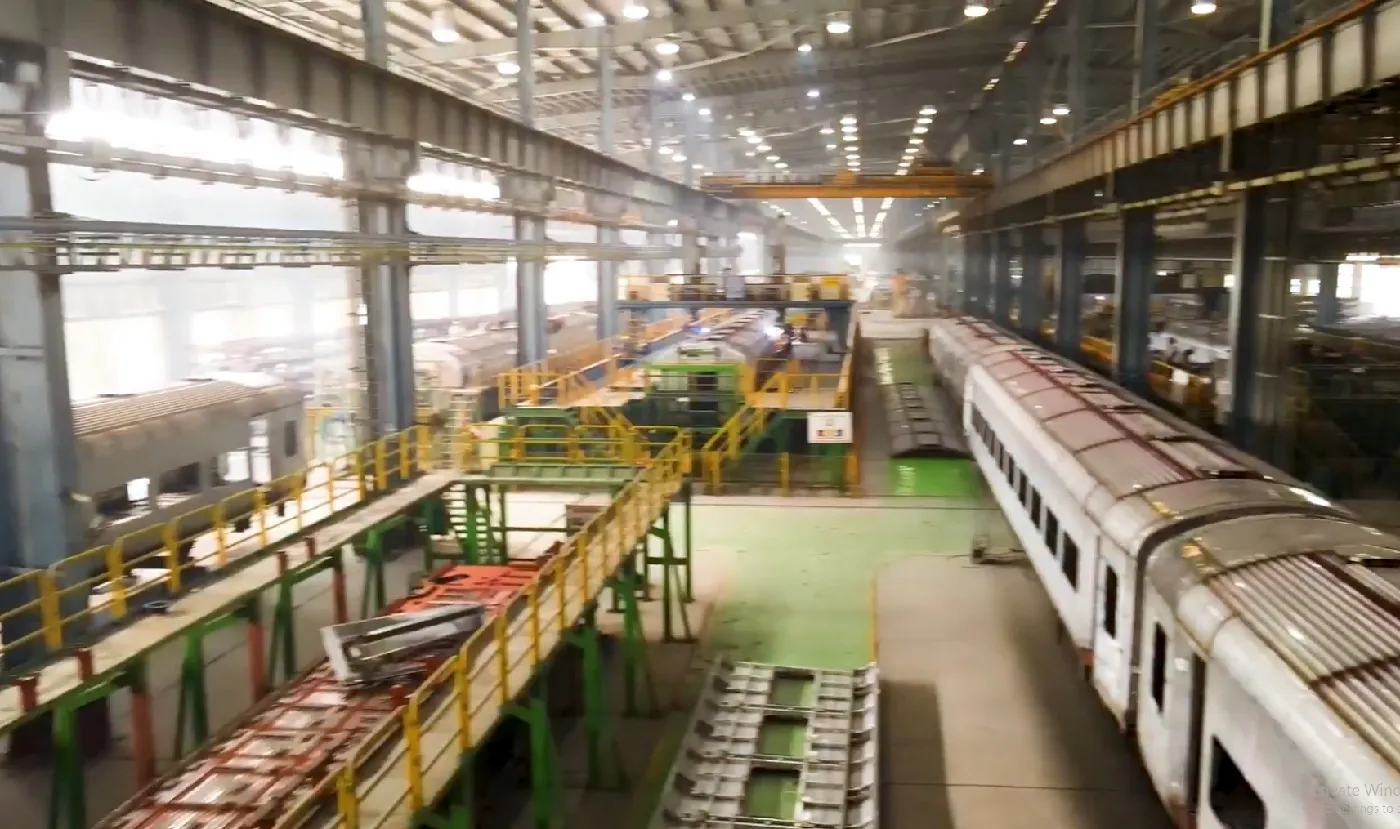

In a major push toward modernizing its vast and critical rail network, Indian Railways has significantly ramped up the production of Linke Hofmann Busch (LHB) coaches. This strategic move is aimed at enhancing safety, passenger comfort, and the overall travel experience on one of the world’s busiest railway systems. With this initiative, the Indian government reaffirms its commitment to delivering world-class transport infrastructure to millions of commuters who depend on the railways daily.
The Evolution of Train Travel in India: A New Era of Comfort
For decades, Indian train travel was synonymous with durability and utility. However, times are changing. The increased focus on LHB coach production signals a transformative era for Indian Railways one that emphasizes not just functionality but also the well-being and satisfaction of passengers.
LHB coaches, originally developed by Linke-Hofmann-Busch of Germany, are now being manufactured extensively in India. They are designed to be lighter, faster, and much safer compared to the conventional ICF coaches. From better ride quality to improved aesthetics, these coaches symbolize a 21st-century approach to railway travel.
Why the Shift to LHB Coaches Matters
The benefits of LHB coaches are numerous and compelling:
- Enhanced Safety: LHB coaches are built with anti-telescopic properties, which significantly reduce the chances of coaches piling up in the event of a collision.
- Increased Speed Potential: These coaches are engineered for higher speeds up to 160 km/h allowing for faster and more efficient travel.
- Improved Comfort: LHB coaches offer superior suspension systems and reduced noise levels, ensuring a smoother journey.
- Aesthetics and Design: With larger windows, better lighting, and improved seating arrangements, passengers enjoy a more modern and pleasant travel environment.
According to railway officials, the rise in LHB coach production is not just about replacing older coaches but about setting a new benchmark for rail travel across the subcontinent.
Boost in Production: A Nationwide Mission
Indian Railways has intensified production at several of its coach manufacturing units, including the Integral Coach Factory (ICF) in Chennai, the Modern Coach Factory (MCF) in Rae Bareli, and the Rail Coach Factory (RCF) in Kapurthala. The goal is to produce thousands of LHB coaches annually to meet increasing demand across various train services from long-distance express trains to regional and intercity routes.
This ramp-up also includes newer variants of LHB coaches designed for Vande Bharat Express and Tejas Express trains, which are gaining popularity for their speed, comfort, and efficiency.
Positive Impact on the Passenger Experience
Passengers who have experienced journeys in LHB coaches often describe them as a welcome upgrade from the older ICF coaches. Many cite quieter cabins, smoother rides, and better onboard facilities as reasons for their preference. These coaches are also equipped with modular toilets, LED lighting, and improved climate control systems, contributing to a more comfortable travel environment.
“My recent trip from Delhi to Kolkata in an LHB-equipped train was far more pleasant than my earlier journeys,” said Ramesh Kumar, a frequent traveler. “The difference in comfort and noise levels was truly noticeable.”
Strengthening Rail Safety Through Innovation
One of the primary motivations behind increasing LHB coach production is to improve rail safety. India’s vast railway network carries over 23 million passengers daily, and safety remains a top concern. With their superior crashworthiness and anti-climbing design, LHB coaches play a vital role in mitigating the impact of accidents.
Railway engineers and planners believe that widespread adoption of LHB coaches will significantly reduce the severity of injuries and fatalities in the rare event of derailments or collisions.
Economic and Employment Benefits
The ramping up of LHB coach production is not only a leap in railway modernization but also a catalyst for job creation and industrial growth. Manufacturing these advanced coaches involves sourcing components from domestic suppliers, thereby strengthening the ‘Make in India’ initiative and supporting local industries.
Additionally, the expansion of coach production lines has led to direct and indirect employment opportunities for engineers, designers, technicians, and skilled workers across the country.
Future Outlook: Toward a Smarter, Sustainable Railway System
The increased emphasis on LHB coaches reflects Indian Railways’ broader vision of transitioning into a modern, efficient, and sustainable transport system. Future upgrades are likely to include the integration of smart technologies, real-time diagnostics, and environmentally friendly materials in coach production.
Railway Minister and officials have reiterated their commitment to making rail travel the preferred choice for the country’s growing population by continuing to invest in better infrastructure and passenger-centric innovations.
A Journey Transformed
The renewed focus on LHB coach production marks a significant chapter in the Indian Railways’ legacy. It’s a story not just about modern trains but about the nation’s journey toward progress, safety, and comfort. For the millions who travel every day from bustling metropolises to remote villages the LHB coaches represent a promise of better travel experiences and a brighter, more connected future.
As India surges ahead on the tracks of innovation and infrastructure, the LHB coaches are more than just rolling stock they are symbols of a changing India, where even a train journey can inspire hope, pride, and joy.