

Sajeeb Joy Thanks Indian PM Modi for Protecting Sheikh Hasina, Assures Safety for Hindus in Bangladesh
Sajeeb Wazed Joy, son of Bangladesh PM Sheikh Hasina, expresses gratitude to Indian PM Narendra Modi for protecting his mother. He reassures the safety of Hindus in Bangladesh under Awami League’s rule and urges India to lead efforts to restore democracy.
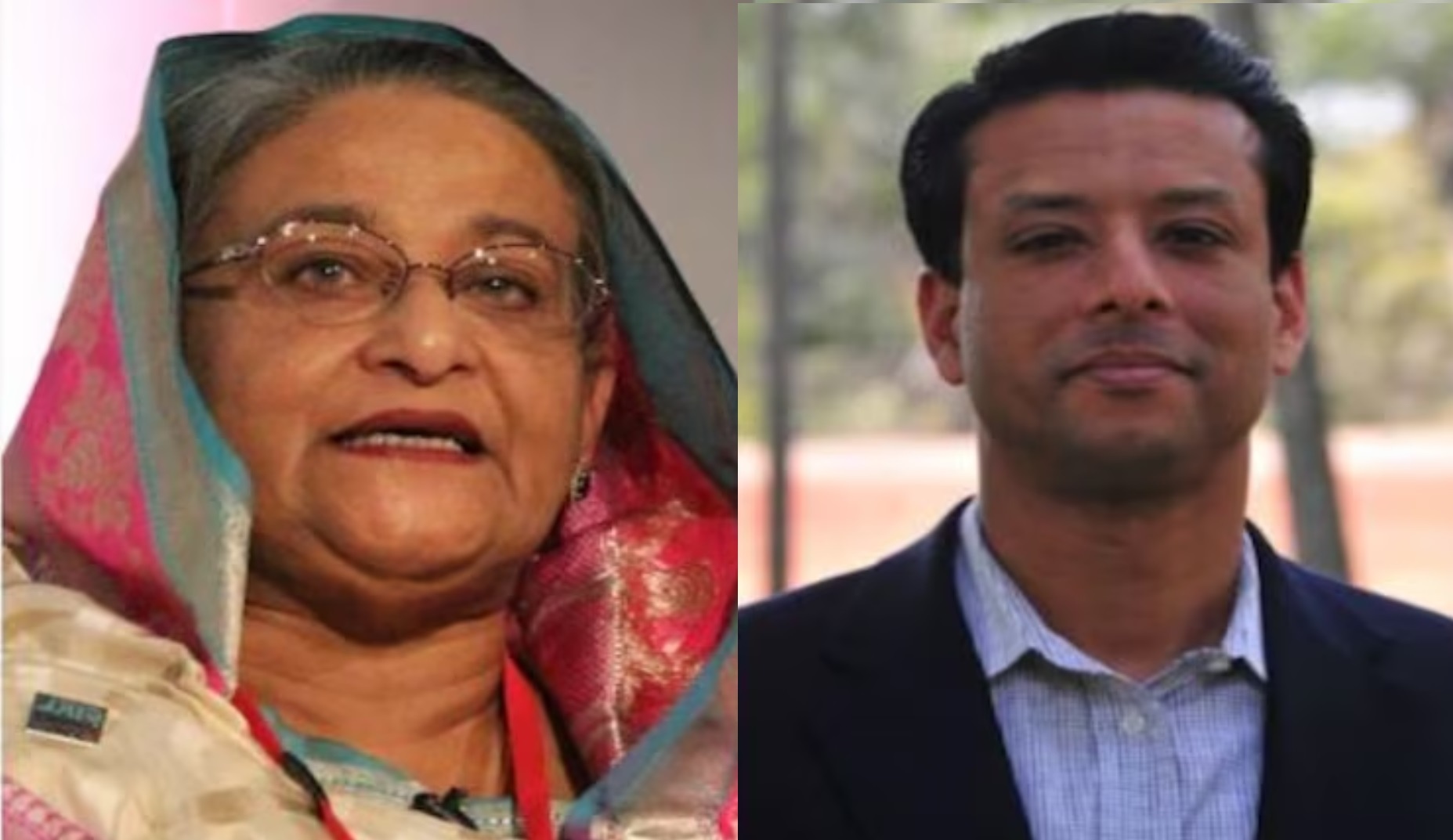

Sajeeb Wazed Joy, the son of Bangladesh Prime Minister Sheikh Hasina, has publicly expressed his gratitude to Indian Prime Minister Narendra Modi for what he describes as the “protection” of his mother. Joy’s statement comes at a crucial time as Bangladesh gears up for its next general election, with political tensions running high in the country. The statement reflects the deepening ties between the Awami League, led by Sheikh Hasina, and the Indian government.
In a recent address, Joy assured that the Hindu minority community in Bangladesh would remain safe under the rule of the Awami League. He emphasized that under his mother’s leadership, the government has always worked to ensure the protection and rights of all religious communities in the country, particularly Hindus, who have historically faced challenges in the region. Joy’s remarks were intended to reassure both domestic and international audiences about the Awami League’s commitment to minority rights.
Joy also revealed that Sheikh Hasina, who is currently not in Bangladesh, would return to the country once the election date is officially announced. His statement underscores the importance of the upcoming elections and the readiness of the Awami League to contest and lead the nation once again. This announcement has been closely watched, given the ongoing political unrest and the significant role that Sheikh Hasina has played in shaping modern Bangladesh.
Call for Indian Leadership in International Efforts
In addition to expressing gratitude to Prime Minister Modi, Joy made a strong appeal to India to lead efforts within the international community to restore and uphold democracy in Bangladesh. He highlighted the shared democratic values between India and Bangladesh and called on India to support initiatives that would ensure free and fair elections in his country. Joy’s request comes at a time when there is growing concern about the state of democracy in Bangladesh, with various opposition groups alleging suppression and a lack of political freedom under the current administration.
Joy’s call for Indian involvement is a significant move, as it places India at the center of the conversation about democracy in South Asia. He urged India to take a proactive stance in advocating for democratic principles not just in Bangladesh but across the region. This appeal is likely to resonate with many in the international community who are keen to see a stable and democratic Bangladesh.
Sheikh Hasina’s Political Legacy
Sheikh Hasina, who has served as Prime Minister for several terms, is a key figure in Bangladeshi politics. Her leadership has been marked by significant economic development and efforts to maintain secular governance in a country with a Muslim majority. However, her tenure has also been marred by accusations of authoritarianism and suppression of dissent, particularly from opposition parties.
As the election approaches, the political landscape in Bangladesh remains volatile, with the Awami League poised to maintain its hold on power. Joy’s statements are seen as part of a broader strategy to solidify support both within Bangladesh and among the international community, particularly India.
With Sheikh Hasina’s return to Bangladesh on the horizon, the upcoming election is expected to be a critical moment for the country, determining its future direction both domestically and in its foreign relations.