

Acne is not just a problem for teenagers
Mature acne has some differences from conventional acne. For example, it does not show the typical papulopustules or comedones of adolescent age.
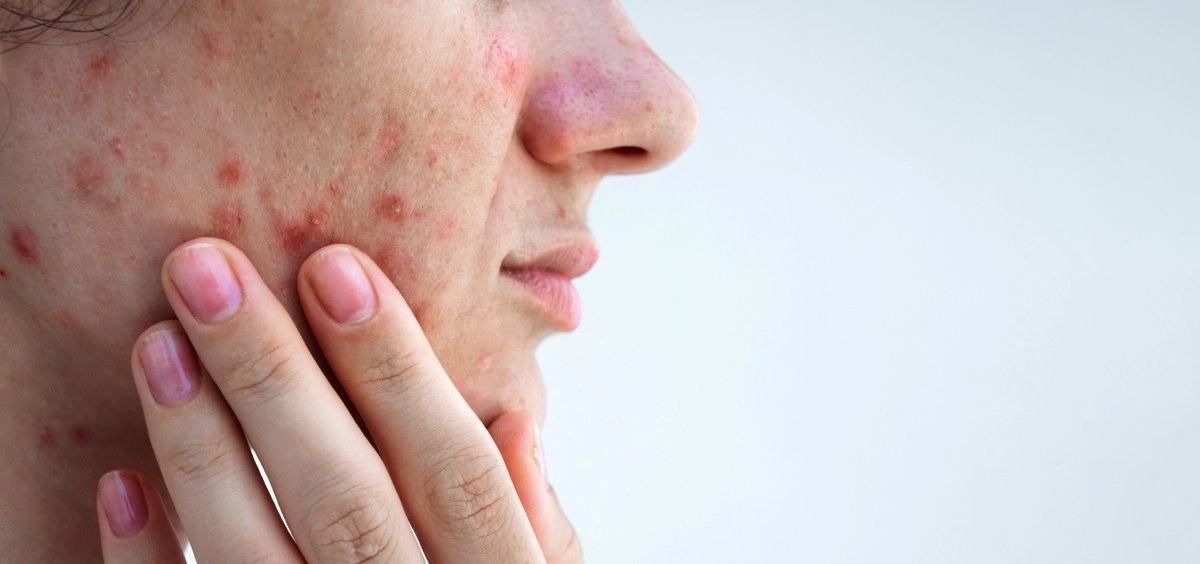

Mature acne presents with different characteristics than adolescent acne, evident in the lower facial area and with lesions that are more difficult to treat. The lesions include inflammatory papules and nodules, mainly in women between 25 and 50 years of age.
Various factors contribute to the development of mature acne. These include hormonal changes, genetic predisposition, diet and lifestyle. The impact of factors such as stress and the use of inappropriate products can aggravate the situation.
This type of acne, in addition to being unaesthetic, is sometimes painful and leaves marks that are difficult to eliminate, Dr. Ricardo Moreno Borque, dermatologist at the San Carlos Clinical Hospital in Madrid, explained to EFE Salud.
Differences with teenage acne
Mature acne has some differences from conventional acne. For example, it does not manifest the typical papulopustules or comedones of adolescent age.
Typically, adult acne lesions have a different distribution. Pimples appear in an area with greater hormonal influence, that is, in the area of ????the lower facial third (mandibular area, also known as the U area), says Moreno Borque.
“Recalcitrant lesions are more difficult to treat than those in adolescents,” he explains.
Treatment and recommendations
It is advisable to consult a dermatological specialist if symptoms appear.
There are effective treatments and lifestyle measures that can contribute to the resolution of mature acne.
Mature acne (adult acne) is treated with a combination of topical care, oral treatments and dermatological procedures depending on the severity and cause (hormonal, inflammatory, comedonic); The plan must be individualized and supervised by a dermatologist.
Topical treatments (first line for mild-moderate forms):
Oral treatments (for moderate-severe acne or when there is an inflammatory/hormonal component):
Complementary procedures and treatments: