

Body odor doesn't depend solely on how much you bathe: what you expel from your skin influences it
It's worth noting that bad odor isn't always related to hygiene. Genetics, diet, and health conditions also play a role.
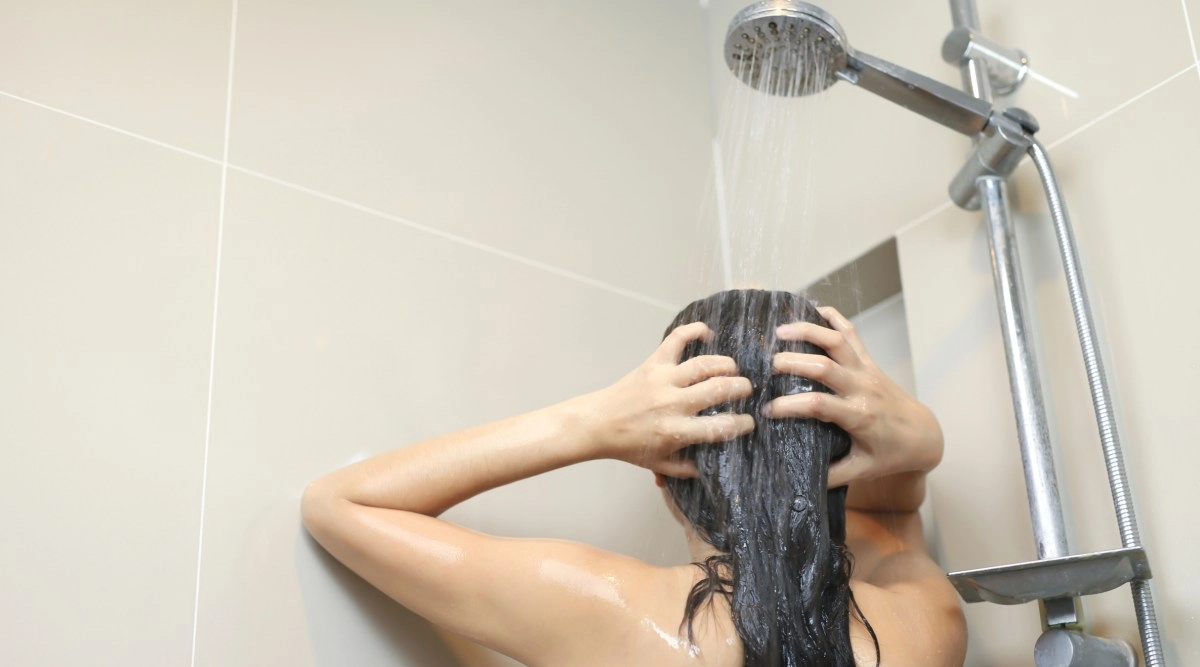

Researchers highlight that physical activity, climate, and skin sensitivity not only influence the need to shower but also body odor. It is emphasized that there is no strict rule and that personal preferences also play a crucial role. Thus, the need for frequent showering shouldn't be governed by a strict rule, as it depends on multiple factors. Showering frequently is more common for people who work outdoors or live in warm climates, as they are exposed to situations that cause sweating. On calm, cool days, the situation is different, and they can skip a shower occasionally. In fact, excessive bathing can remove the natural oils that protect the skin. The key is balance, rather than following a strict rule. It's worth noting that bad odor isn't always related to hygiene. The role of genetics, diet, and health conditions in the production of body odors is discussed, clarifying that sweat itself is not the cause of bad odor.
Factors that affect sweat odor
Studies show that factors such as diet, stress, and weather conditions impact the odor of sweat, which is primarily composed of water and salt and is generally odorless. The variability of sweat is mentioned, according to the type of bacteria present on the skin and their relationship to the composition of the sweat.
Two people can follow the same routine and still perceive different odor patterns, Waters notes.
Odor depends more on the bacteria and composition of the sweat than on the volume.
Effective Shower Routine
Strategies for optimizing the shower experience are vital. The recommendation is to keep showers short and cool, as long, hot showers can be counterproductive.
Very hot water can even dry out the skin faster than lukewarm water.
It is also important to use specific products for the face and body, and to consider the frequency of hair washing according to scalp type.
Impact of Diet and Stress on Body Odor
Diet. Diet directly influences body odor by affecting the composition of sweat and the volatile compounds released by the skin, according to reviewed scientific studies. Foods like red meat generate more intense and less pleasant odors due to endotoxins and inflammatory processes, while fruits and vegetables produce sweeter and more floral smells. Garlic, onions, and strong spices like curry release sulfurous or intense compounds through sweat. Junk food, alcohol, and coffee alter the gut microbiota, producing rancid odors. Diets high in animal protein make the aroma less appealing, according to olfactory tests. This is explained by a biological mechanism: nutrients are metabolized, absorbed into the bloodstream, and excreted through sweat glands; the gut microbiota amplifies this by producing volatile compounds. Dietary changes are noticeable within days, but hygiene remains key. Stress. Stress increases sweat production and alters its composition, intensifying its odor. When the body perceives stress, it releases hormones such as cortisol and adrenaline, which activate the apocrine sweat glands (in the arms and groin). This apocrine sweat is rich in proteins and lipids, unlike eccrine sweat (mostly water and salt), and skin bacteria break it down into volatile compounds with a strong odor. Sweat from exercise (eccrine) has little odor, but sweat induced by stress or anxiety produces a more pungent aroma because it better nourishes the bacteria. Furthermore, stress can alter the skin's microbiome and increase sebum, exacerbating the problem. Excessive sweating due to stress reduces hygiene if left unmanaged, creating a vicious cycle. Studies confirm that it contains more fatty acids, contributing to intense odors.
You may also be interested in:
· Keys to addiction: the greatest risk of developing substance use disorders comes from genes· Childhood stress can wreak permanent havoc on the digestive system· You sleep and don't remember any dreams: this is what happens in your brain