

Dangerous trend: vanity can lead young people to use hammers on their faces in search of more defined features
Techniques categorized as "hardmaxxing", which include physical manipulation of the body, are especially concerning

The term “looksmaxxing” refers to the search for more defined physical characteristics, which has sparked debates about its impact on health. d mental and the safety of young people. This phenomenon has captured the attention of many, generating both interest and concern among experts.
Medical professionals express alarms about the methods associated with looksmaxxing. Certified dermatologist, Dr. Claire Wolinsky, consulted by Fox News, highlights the lack scientific base of techniques such as mewing , in which young men attempt to reshape the contour of their jaws through a specific tongue position, and warns about the dangers of extreme practices such as plastic surgery and the use of steroids.
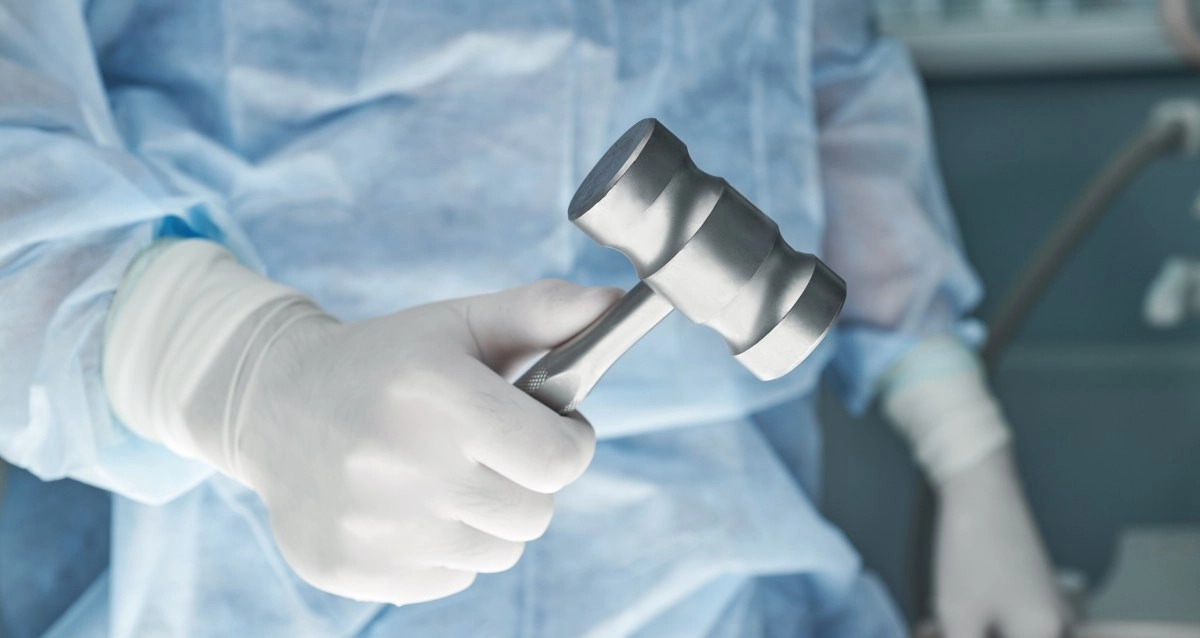
Wolinsky states that they even go so far as to “break bones”, a practice in which people supposedly use physical objects to alter the structure of their face. He warns about the danger of such ac tions: “Apparently, they are taking hammers or physical objects and hurting themselves. There's no way by destroying a bone it will get thicker or better, or that the jawline will improve.”
Extreme interventions in the search of acceptance
Techniques categorized as “hardmaxxing”, which include physical manipulation of the body, are particularly concerning. Wolinsky defines these actions as potentially harmful to young people.
The shift towards male beauty standards appears to be driven largely by digital content. Young people disconnect from traditional medical advice and adapt their aesthetic goals by-watching their peers on social platforms.
Unhealthy lifestyles
Family therapist Tom Kersting raises questions about the emotional state of those who adopt this lifestyle. He suggests that behind the phenomenon there could be a search for external validation that affects the self-esteem of these young people.
He questioned that many of these young people act driven by “narcissistic behavior” and seek “some kind of external gratification from strangers online,” reported Fox.
Psychological motivations behind looksmaxxing
The psychological motivations of looksmaxxing revolve around the search for greater physical attractiveness to enhance social and emotional status, driven by cultural and digital pressures.
Influence of social networks. The algorithms of platforms such as TikTok and Instagram expose unattainable beauty standards, promoting co constant parations that generate insecurity. This links attractiveness with economic and social success, amplified by the “manosphere” and incels.
Search for control and self-esteem. In an uncertain world, looksmaxxing offers tangible control over appearance, starting from m disorder of breakups or low self-esteem. The “halo effect” reinforces the idea that beauty opens doors, exaggerating its real impact.
Risks of obsession. Although it begins as self-care, it can lead to body dysmorphia, prioritizing facial measures over mental health, with roots in forums that measure “sexual value.” Experts warn against isolation and extreme behaviors such as steroids.
Social networks do not strengthen your friendships, on the contrary Universities view with concern the growing mental health problems the students If your child lives locked in their room, playing at night and sleeping during the day, they may be suffering from Hikikomori syndrome