

It's not fat, it's abdominal inflammation!: causes and how to relieve it
Abdominal inflammation and fatness are not the same, although sometimes they are confused due to swelling in the belly
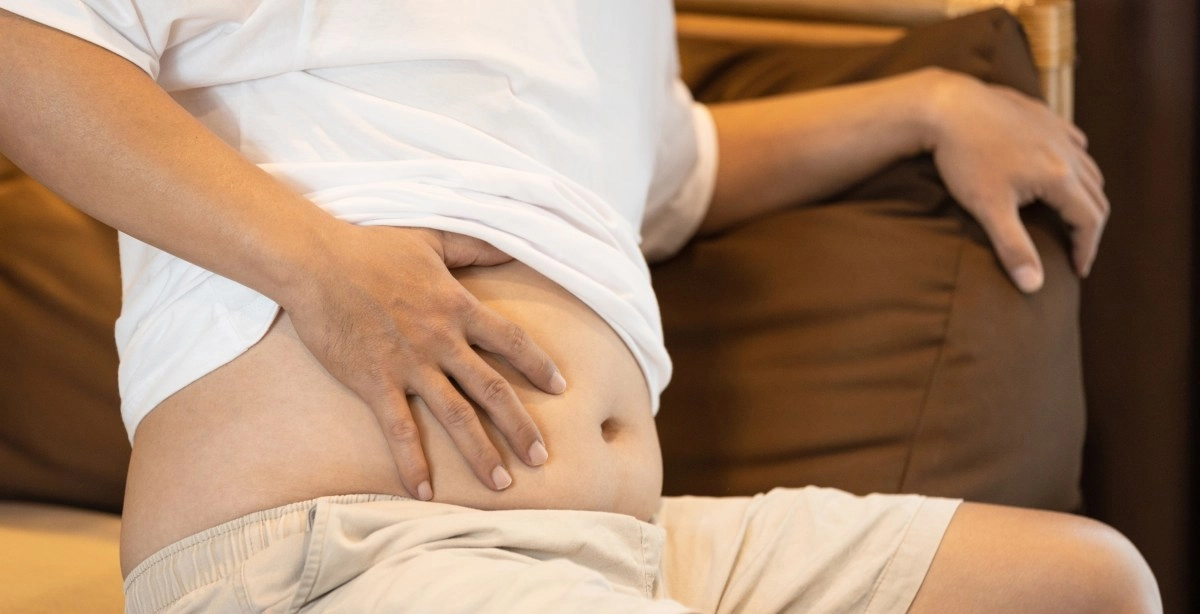

Abdominal inflammation presents as a feeling of distention and heaviness in the abdomen, often increasing after meals. This symptom can be a sign of various conditions, but can also occur in healthy people.
Among the most common causes of abdominal inflammation are:
Eating habits. The way of eating, such as rapid ingestion of food, facilitates the entry of air into the digestive system. In addition, a diet high in ultraprocessed foods and carbonated drinks can contribute to the production of intestinal gas.
Sedentary lifestyle and stress. The lack of physical activity slows down intestinal transit, increasing gas accumulation. Likewise, stress and anxiety can negatively impact digestion, causing symptoms such as bloating.
Abdominal inflammation, not fat
Abdominal inflammation and fat are not the same, although sometimes they are confused due to swelling in the belly. Fatness is tissue accumulated adipose, while inflammation is a temporary response of the body, such as bloating due to gas or fluid retention.
How to distinguish them. Test by pinching the skin: if a thick, constant fold appears, it is fatty; if the abdomen feels hard, gassy or changes rapidly, is inflammation. Visceral (internal)fat can cause chronic low grade inflammation, creating a vicious cycle.
Strategies to mitigate inflammation
Modification in the diet. It is advised to eat slower and prioritize fresh and natural foods. The progressive incorporation of fiber and adequate hydration are essential to facilitate digestion.
Promotion of movement and stress management. Gentle cardiovascular activities can improve intestinal transit. In addition, managing stress through relaxation techniques and adequate sleep is crucial for digestive health.
Furthermore, it is essential to consult with a specialist if the abdominal inflammation is persistent and is accompanied by other serious symptoms, such as severe pain or changes in intestinal rhythm.
Recommended exercises
There are exercises that, in combination with good diet and stress management, can help reduce the feeling of abdominal inflammation and improve the digestion. They do not eliminate inflammation on their own, but they do promote intestinal transit, the elimination of gases and the reduction of fluid retention.
Gentle exercises for the abdomen
Mild aerobic physical activity
Medications can contribute to inflammation
Certain medications and supplements may contribute to abdominal inflammation or bloating as a side effect.
Study reveals that omega-3 supplements could be linked to cognitive impairment How is autophagy for health? Myths and realities of intermittent fasting New dietary approach makes the population prone to develop more hemorrhoids