

Health cuts in Florida threatens access to HIV medications
It is warned that around 16,000 of some 30,000 people affected by HIV could face difficulties receiving the necessary treatments
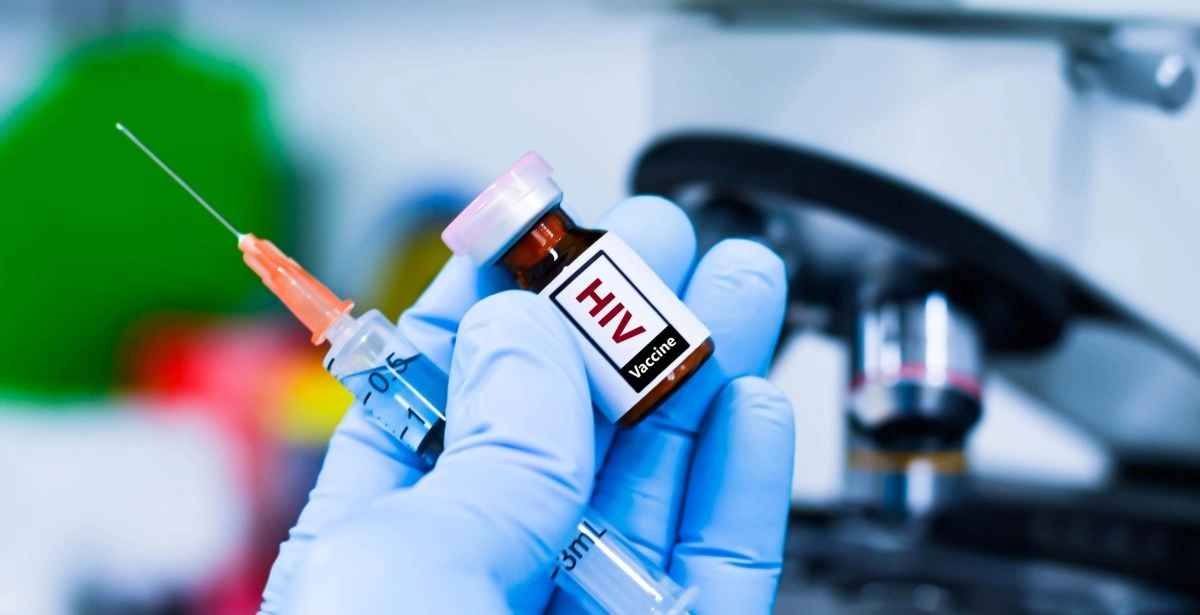

The Florida Department of Health's recent emergency rule has drastically reduced eligibility for the AIDS Medication Assistance Program (ADAP). With the new rule, those with incomes at or below 130% of the federal poverty level—approximately $20,345 per year for a single-person household—will no longer have access to free medications approved by the Food and Drug Administration (FDA). HIV advocates warn that around 16,000 of the 30,000 people enrolled in ADAP in Florida could face difficulties receiving necessary treatments. In this regard, Dr. Anna K. Person, president of the Association of HIV Medicine, points out that these cuts will not only endanger the lives of those affected, but could also result in an increase in new HIV diagnoses and a rise in healthcare costs. "Disruptions of this magnitude to HIV treatment will result in a public health disaster. Florida must follow due process and collaborate with healthcare professionals, people living with HIV, and the state legislature to address any funding challenges," Person said in a statement. Quoted by ABC News.
Justifications from the Department of Health
State Department of Health officials have attributed these cuts to rising insurance costs and a lack of federal funding.
They maintain that these adjustments are necessary to avoid a budget deficit of more than $120 million for Florida.
Administrative Process and Outlook
The emergency regulation, which went into effect on March 1, lasts for 90 days and cannot be renewed without a formal process.
The healthcare community has spoken out against the changes and has called for a dialogue with professionals and legislators to address the funding issue effectively.
Comparison of Florida's policies with other states
Florida is adopting one of the most restrictive policies in the United States for HIV medication assistance. Compared to many other states, Florida is reducing access while others are preserving or expanding coverage.