

It provides relief, but scratching after an insect bite is not a good idea
Controlled experiments with mice show that scratching triggers the expansion of immune cells, leading to an increase in swelling and discomfort
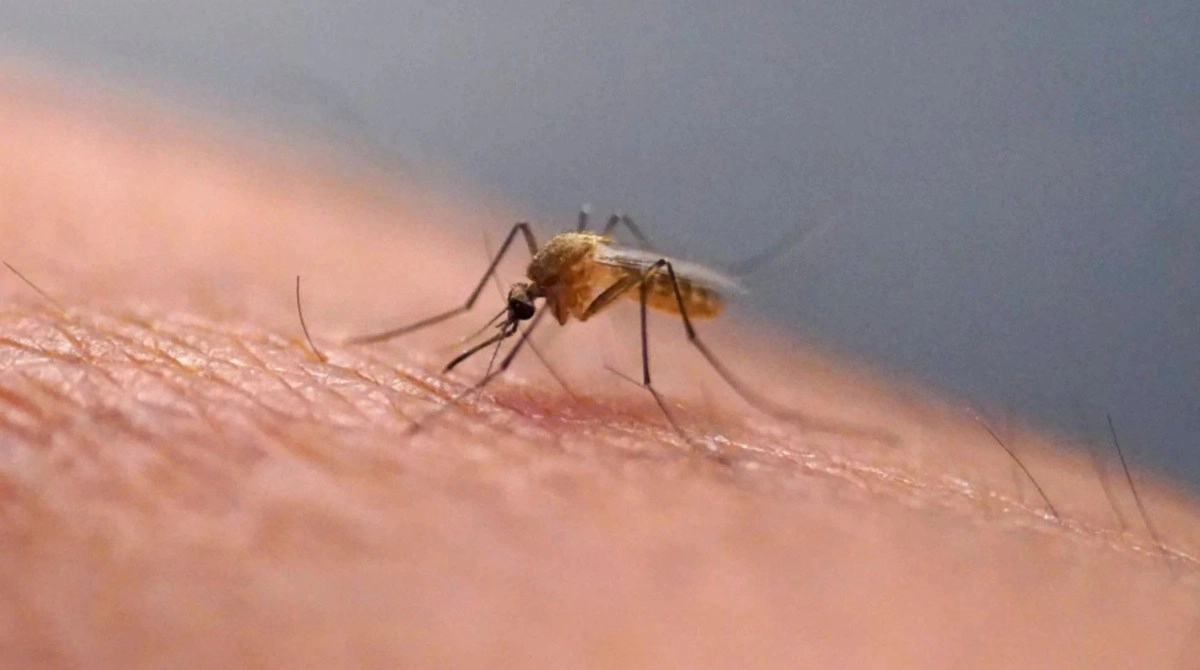

If it itches, scratch it!" goes the popular advice. But why could something that feels so good be bad? Yes, scratching bites and irritations is discouraged because of its potential to intensify discomfort. Recent research has paid attention to why this behavior can be harmful.
Studies conducted by Dr. Daniel Kaplan and his team at the University of Pittsburgh have explored the connection between itching, scratching and skin inflammation, reports the Associated Press (AP).
Controlled experiments with mice have shown that scratching triggers the expansion of immune cells, leading to an increase in swelling and discomfort.
Specifically, Kaplan's research team applied an irritant that caused a rash to the ears of mice. While normal mice scratched and inflammatory immune cells rushed to the area, increasing the swelling, the rash was much milder in genetically modified mice with defective nerve cells that detected itch. But was the difference really a result of scratching?
Normal mice that were fitted with collars like those veterinary “cones of shame,” so that they itched but couldn't scratch, gave the answer: they, too, had much less swelling and fewer inflammatory cells.
Role of immune cells
Kaplan went on to say that the evidence is consistent with people's everyday experiences, showing that scratching can actually make things worse. Ignoring a mosquito bite makes the itch go away within five to 10 minutes for most people, he explained. “But if you start scratching, it will stay with you for a week,” as the itching and inflammation will increase.
To understand what was happening in the skin, Kaplan's team looked in more detail at mast cells, which are among the front-line cells of the immune system, AP reports. When activated, they release compounds that can help fight germs or toxins or, through a compound called histamine, trigger itchy allergic reactions.
Mast cells, as key components of the immune system, can aggravate allergic responses. Pain signals generated during scratching release a chemical, substance P, which in turn activates these cells in ways that worsen the severity of the rashes.
Scratching only provides temporary relief
Although scratching provides immediate relief, this is partly due to an evolutionary response that could help eliminate parasites.
Despite this possibility, experts like Kaplan emphasize that scratching is ultimately harmful to the skin.
“Ultimately, scratching is harmful,” Kaplan stressed. “You should avoid scratching,” he said, although he acknowledged that “it's easier said than done.”
Management of itching
To manage minor itching, several strategies are recommended, including applying anti-itch creams and antihistamines.
Creams with menthol can trick the brain by providing a cold sensation that interrupts the itching and scratching cycle.