

Treasury Department sanctions two Mexicans and 9 companies linked to the CJNG
"Today's action highlights the extent to which Mexico's cartels are expanding beyond traditional drug trafficking to generate revenue," Bessent said.
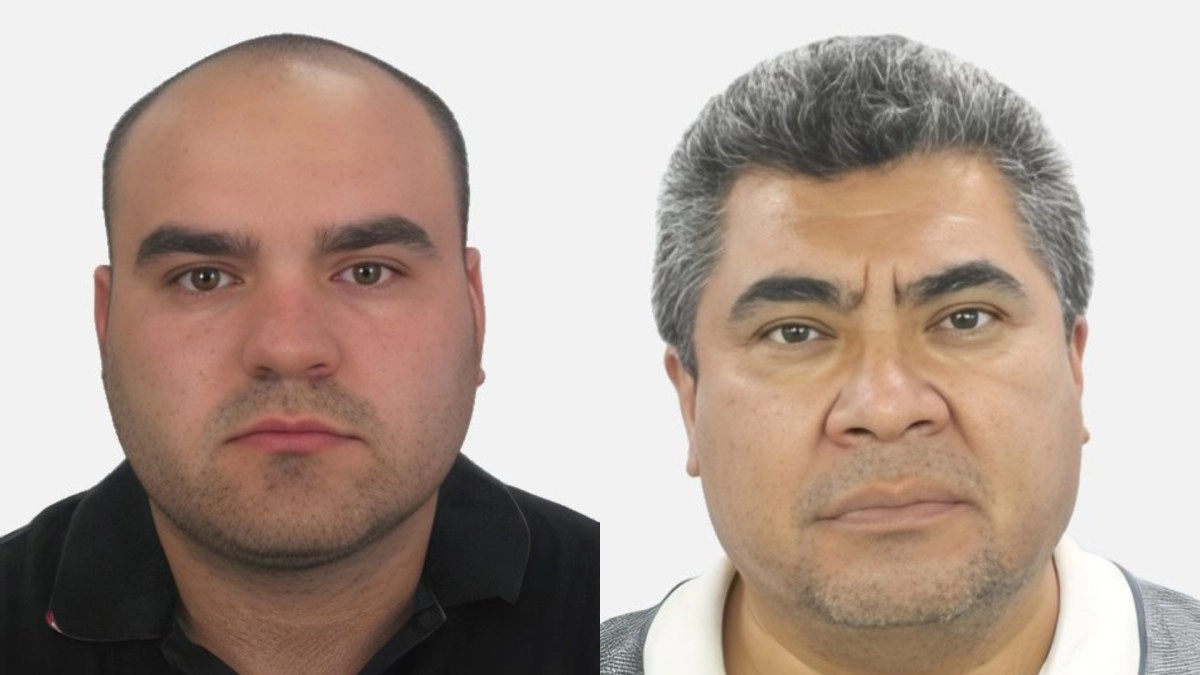

The United States government intensified this Tuesday its financial offensive against the Jalisco New Generation Cartel (CJNG) by imposing sanctions against two Mexican citizens and nine companies that, according to US authorities, are part of a network dedicated to smuggling and theft of fuel between the United States and Mexico, an activity that generates millions of dollars for the criminal organization.
The Treasury Department reported that the Office of Foreign Assets Control (OFAC) froze the assets and interests under US jurisdiction of those identified, while the Financial Crimes Enforcement Network (FinCEN) issued a new alert aimed at banks and financial institutions to detect operations related to the so-called “fiscal huachicol”, a scheme through which fuel is illegally introduced into Mexico to evade taxes.
The actions are part of the strategy of President Donald Trump's administration to attack the sources of financing of the Mexican cartels, which Washington considers responsible for the trafficking of fentanyl and other drugs to the United States.
“Today's actions show the extent to which Mexican cartels have expanded their activities beyond traditional drug trafficking to generate revenue that continues to finance criminal organizations responsible for the distribution of lethal drugs in the United States,” said Treasury Secretary Scott Bessent. The sanctions were coordinated with investigations involving the Drug Enforcement Administration (DEA), the Federal Bureau of Investigation (FBI), Homeland Security Investigations (HSI), the Internal Revenue Service (IRS-CI), Customs and Border Protection (CBP) and Mexican authorities, including the Financial Intelligence Unit (FIU).
Businessmen accused of facilitating fuel smuggling
Among those sanctioned is Oscar Guillermo Juraidini Silva, identified by the Treasury Department as a financial operator who allegedly designed a network of front companies to facilitate fuel smuggling from the United States to Mexico.
According to US authorities, Juraidini would have falsified customs documentation to declare shipments with incorrect information and thus avoid paying the Special Tax on Production and Services (IEPS) in Mexico. The Treasury maintains that these operations generated tens of millions of dollars a year for the CJNG.
The sanctions also affect six Mexican companies linked to Juraidini, dedicated to the transportation, financial services and real estate sectors, in addition to a company registered in the United Kingdom.
According to the Treasury Department, both companies would have carried out transactions for tens of millions of dollars through the US financial system with people related to the CJNG. In addition, Washington claims that Ruiz Villagómez paid bribes to criminal organizations to facilitate the passage of fuel through border crossings.
New alert to the financial system
In addition to the sanctions, FinCEN issued an alert for banks and financial entities in which it identifies 22 risk indicators related to hydrocarbon smuggling operations between both countries. Among the warning signs are international transfers between US and Mexican companies that lack official permits to import fuel, the use of logistics or transportation companies without consistent commercial activity, and operations that involve allegedly altered customs documentation.
U.S. authorities maintain that fuel theft and smuggling has become one of the main sources of non-drug-related income for Mexican cartels. According to the Treasury, these profits strengthen the CJNG's operational capacity to finance criminal activities, including drug trafficking into the United States.
As a result of the sanctions, all assets and interests of the designated persons and companies that are under US jurisdiction were blocked, while US citizens, companies and financial institutions are prohibited from carrying out transactions with those sanctioned, unless expressly authorized by OFAC. The Treasury Department also warned that foreign financial entities that facilitate transactions with those designated could also face secondary sanctions.