

The healing spice: how capsaicin becomes an ally of health
Researchers from around the world have discovered that this natural alkaloid possesses capabilities that go far beyond stimulating our taste buds
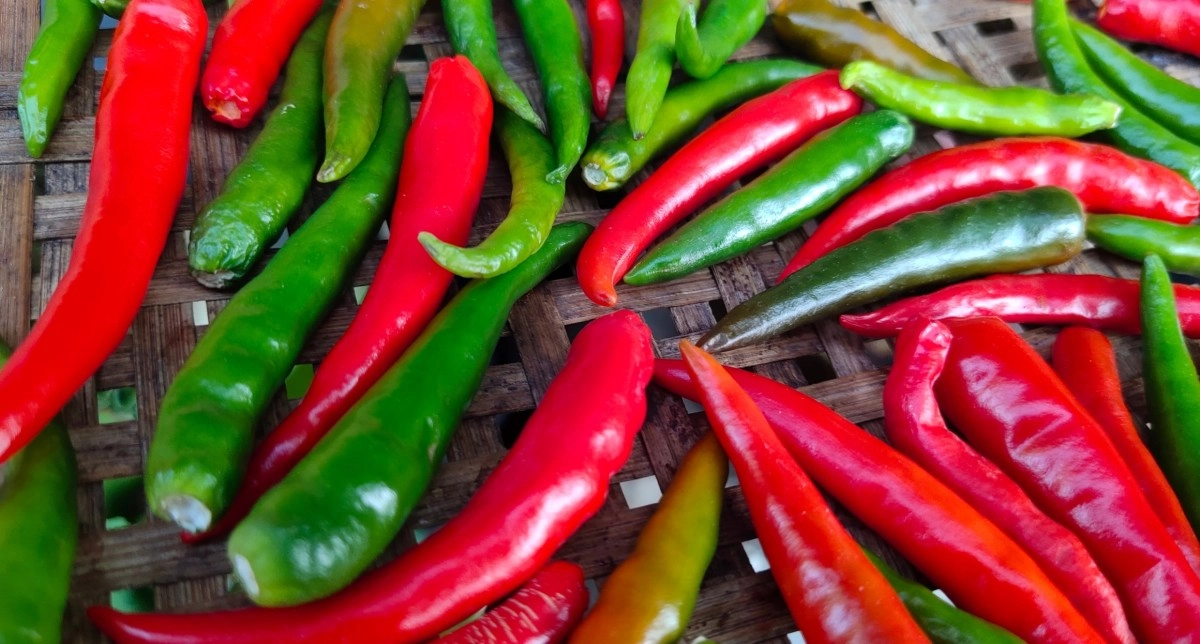

For centuries, cultures in Latin America, Asia, and other regions of the world have incorporated chili peppers as fundamental elements of their gastronomy, unaware that behind that burning sensation lay a compound with remarkable medicinal properties. Capsaicin, the molecule responsible for the characteristic spiciness of chili peppers, has gone from being simply a culinary ingredient to becoming the subject of intense scientific scrutiny. In recent years, researchers around the world have discovered that this natural alkaloid possesses capabilities that go far beyond stimulating our taste buds, revealing benefits ranging from improved gut health to the possibility of extending human longevity. What was once considered merely a spicy condiment is now being studied in laboratories at prestigious universities as a potential therapeutic agent. Capsaicin, the substance that makes your eyes water and your pulse race when you bite into a habanero pepper, is proving to be an extraordinarily versatile compound for human health. Benefits of Capsaicin: The most recent studies suggest that regular consumption of spicy foods rich in capsaicin may be associated with a reduction in overall mortality. Population studies have observed that people who regularly consume spicy foods have lower mortality rates compared to those who avoid them, a finding that has spurred new lines of research into the molecular mechanisms behind this protective effect. In the area of ??digestive health, capsaicin has shown particularly promising effects. Contrary to the popular belief that spicy food damages the stomach, scientific evidence indicates that this compound can promote the health of the gastric mucosa, stimulate the production of beneficial digestive juices, and support a healthy balance in the gut microbiota.
Some studies suggest that capsaicin may help prevent ulcers by inhibiting excessive acid production and promoting blood flow to the stomach lining.
Action of Capsaicin
The effect on metabolism is another area of ??scientific interest. Capsaicin activates specific receptors in the body that can increase energy expenditure and promote fat oxidation, leading to research into its potential in weight management and the prevention of metabolic diseases such as type 2 diabetes.
In terms of cardiovascular health, researchers have documented that capsaicin can contribute to lower blood pressure, improved blood circulation, and reduced cholesterol levels. These combined effects could partially explain the observed association between spicy food consumption and a reduced risk of heart disease.
The anti-inflammatory action of capsaicin represents another key mechanism in its health benefits.
Chronic inflammation is considered an underlying factor in numerous degenerative and age-related diseases, making compounds with natural anti-inflammatory properties of great medical interest.
Consume, but in moderation
Experts caution that this doesn't mean consuming extreme amounts of spicy food. Moderation remains key, as excessive consumption can cause gastrointestinal irritation in sensitive individuals. The general recommendation is for the regular but measured incorporation of spicy foods into the diet as part of a balanced eating pattern.
As research continues to unravel the secrets of this ancient compound, capsaicin is emerging as a fascinating example of how traditional culinary wisdom can contain profound scientific truths. What our ancestors intuited about the benefits of spice, modern science is now beginning to confirm with experimental evidence, opening new perspectives for disease prevention and the promotion of a healthier and potentially longer life.