

Vaccines against HPV allow establishing deadlines for the elimination of cervical cancer
With the WHO supporting the HPV vaccine, 164 countries implement its use, highlighting the Australian model that seeks to eradicate the disease by 2035
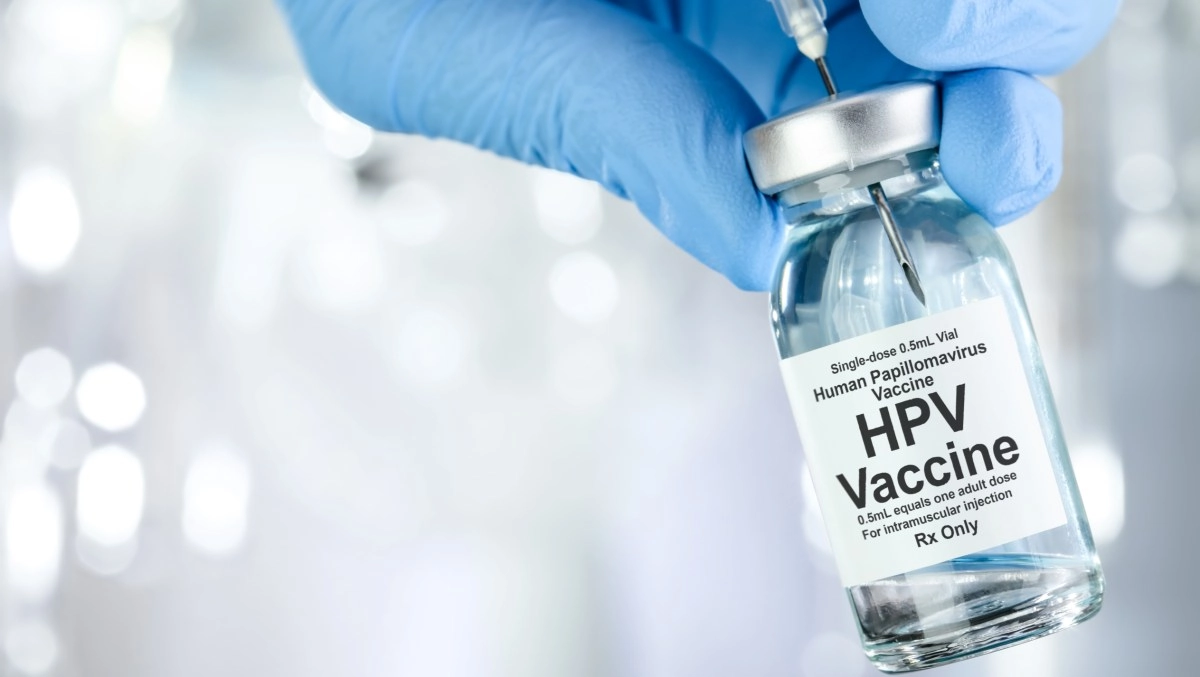

The human papillomavirus (HPV) vaccine has been shown to significantly reduce cervical cancer rates, empowering women to prevent this disease. In Alabama, public health groups are pushing the importance of screening and vaccination, becoming the first state in the country to create a formal plan to end the disease.
Since its approval, the HPV vaccine prevents 99% of cervical cancer cases. With the World Health Organization (WHO) supporting its use, 164 countries implement vaccination, highlighting the Australian model that seeks to eradicate the disease by 2035.
The Center for Infectious Diseases Research and Policy (CIDRAP) at the University of Minnesota states on its website that studies have shown that HPV vaccines reduce the risk of cervical cancer by 80% in women vaccinated before age 16 and by 66% in those vaccinated after that age. Early childhood vaccination is even more effective. A study in Scotland found no cases of cervical cancer among women vaccinated before age 14.
Challenges in the United States
Despite progress, the United States faces unique challenges in the fight against cervical cancer.
Alabama, with the highest death rate in the country, has begun Operation Eradication, seeking to reduce these numbers through education and screening.
Prevention as a cornerstone
The focus on prevention is key in the eradication of cervical cancer.
Self-collection and monitoring are essential to ensure that women receive the necessary care and prevent the disease from progressing.
Other types of cancer that the HPV vaccine can prevent
The HPV vaccine prevents, in addition to cervical cancer (the best known), the following types of cancer:
The vaccine protects against the types of HPV that cause most of these cancers, and can prevent more than 90% of HPV-related cancers when given at the recommended age.
The American Cancer Society indicates that the vaccine helps prevent six types of cancer in total. Currently, screening is not recommended for most of these HPV-associated cancers, except for cervical cancer.
You may also be interested in:
· The body's signals when the thyroid stops working well · Just one serving of ham, sausage or bacon a day is linked to an increased risk of stomach cancer · Experimental pill that promises new hope for deadly pancreatic cancer accelerated