

3 questions to understand what happens now with the Epstein files after Trump signs to release them
The bill requires the Justice Department to release all information from its investigation into Jeffrey Epstein within 30 days
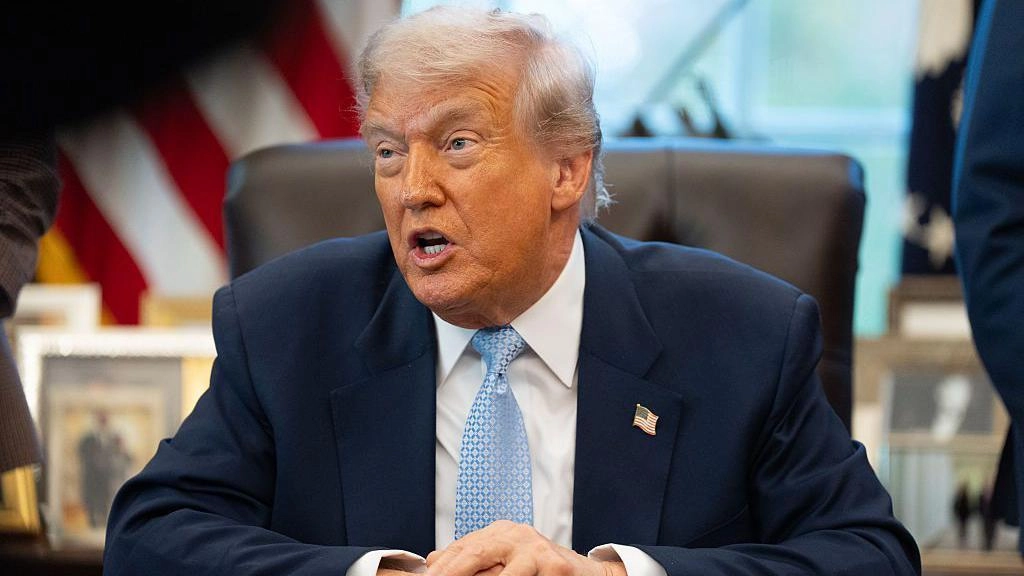

The legislation had previously passed overwhelmingly in both houses of Congress. The House of Representatives backed the motion with 427 votes in favor and 1 against, while the Senate approved it unanimously. After facing opposition from Epstein's victims and members of his own base within the Republican Party, Trump changed his stance on releasing the files last week. Until recently, the US president had dismissed the need to release the documents, recently calling them a "hoax" led by Democrats to "divert" attention from his party's work. Pressure on the White House increased just after new information came to light linking Trump and other prominent figures, such as former President Bill Clinton, to Epstein's circle. "The Democrats have used the 'Epstein' issue, which affects them far more than it does the Republican Party, to try to distract from our INCREDIBLE victories," Trump wrote after announcing the signing of the law.
What does the bill say?
The bill requires the Department of Justice to release all information from its investigation into Epstein, as well as his longtime girlfriend, Ghislaine Maxwell, within 30 days.
The legislation will also require the judicial body to hand over all its internal communications regarding the investigation, as well as those related to Epstein's death in a Manhattan jail cell in 2019, while he awaited trial on charges of sex trafficking of dozens of teenagers.
Transcripts of interviews with victims and witnesses are also included, and items seized in raids on his properties. The files also include flight records and information on individuals and entities linked to Epstein. These records, according to sources familiar with the investigation consulted by the Associated Press (AP), could total up to approximately 100,000 pages and are different from the more than 20,000 pages that Congress released last week, including some emails that directly mention Trump. Among them are messages from Epstein in 2018 in which he said: “I am the only one capable of taking him down” and “I know how corrupt Donald is.” Lawmakers, however, passed rules that allow them to withhold sensitive information, for example, if it relates to another ongoing investigation. Records that could jeopardize the personal privacy of victims or those containing child sexual abuse material can also be held. At the same time, any information deemed classified for national defense or foreign policy will be protected.
“We will continue to uphold the law with maximum transparency, while also protecting the victims,” Attorney General Pam Bondi said Wednesday.
Who might be named?
There is high public expectation about the revelations the files may contain.
Epstein was a figure who rubbed shoulders with world leaders, billionaires, and even royalties.
On Wednesday, former Harvard president Larry Summers took a leave of absence from his teaching position at the university while he investigated his ties to Epstein, revealed in a series of emails.
In the United States, it is therefore believed that the files could reveal connections with figures of similar profiles.
During the debate in Congress, some representatives warned about the risk that the mere fact of a person being named in the files implies a public judgment and possible complicity in the crimes committed by Epstein.
But for the bill's proponents, including Epstein's victims, the more names that are known, the better.
“We need names,” he said, according to AP, Republican Representative Thomas Massie of Kentucky.
Bondi herself agreed to Trump's request to investigate connections between Democratic leaders and Epstein last week.
On the other hand, it is also believed that the other safeguards incorporated into the law regarding the privacy of victims could be used to prevent the release of information implicating high-ranking officials.
Suspicions about a possible cover-up surrounding the case have been persistent, but deepened even further last July when a two-page memo from the Justice Department and the FBI stated that investigators found no "incriminating list" of clients or "credible evidence" that Epstein blackmailed prominent individuals.
"Will the Justice Department release the files or will everything remain stuck in the investigations?" said Representative Marjorie Taylor Greene, who was a Trump ally in the past and distanced herself from him precisely because of his stance on the Epstein case.