

Canada eliminates the tax on digital services and resumes negotiation commercial with Trump
The move comes after Trump announced over the weekend that he would end all trade discussions with Canada.
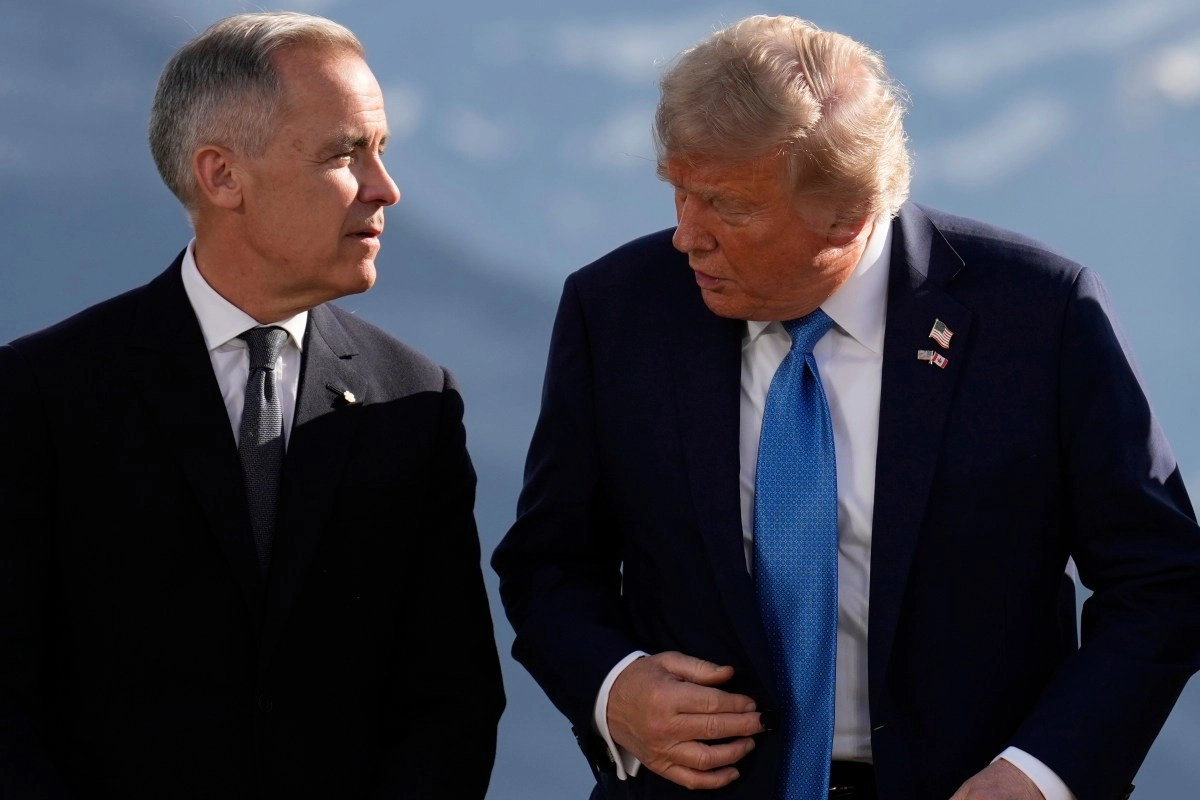

Canada reversed its digital services tax "in anticipation" of a mutually beneficial trade agreement with the United States, just one day before the first tax payments were due to be made.
The announcement was made by Canadian Prime Minister Mark Carney, who said that his country had resumed trade negotiations with the United States. United States.
“In our negotiation of a new economic and security relationship between Canada and the United States, the new Government of Canada will always be guided by the full contribution of any potential agreement to the best interests of Canadian workers and businesses,” Carney said.
The first payments of Canada's digital services tax, enacted last year and retroactive to 2022, were initially scheduled for Monday. The tax would have applied to both domestic and foreign technology companies, including US giants such as Amazon, Google, and Meta, with a 3% levy.
Canadian Finance Minister François-Philippe Champagne had warned last week that the digital tax remained in effect and that the first payment, which affects large US multinationals such as Meta, was due on Monday, June 30.
But Trump on Friday broke off trade negotiations with Canada with immediate effect after reproaching that country for the tax, calling it a direct and flagrant attack on the United States.
“Due to this outrageous tax, we are terminating all trade negotiations with Canada effective immediately,” he wrote on his Truth Social platform. He added that he would announce the tariffs they will pay to do business with the United States within the next seven days and called its northern neighbor a very difficult country.
“Today's announcement will support the summary of negotiations by July 21, 2025, the date set at the G7 Leaders' Summit this month in Kananaskis,” Carney added.
Since returning to the White House, Trump has sought to impose new tariffs on his partners in the United States-Mexico-Canada Agreement (USMCA) using arguments such as the trade deficit and the flow of drugs like fentanyl and migrants.