

Donald Trump exposes JD Vance for not being convinced to start a war against Iran
Donald Trump believes James David Vance was reluctant to the idea of ??the United States participating in a war against Iran
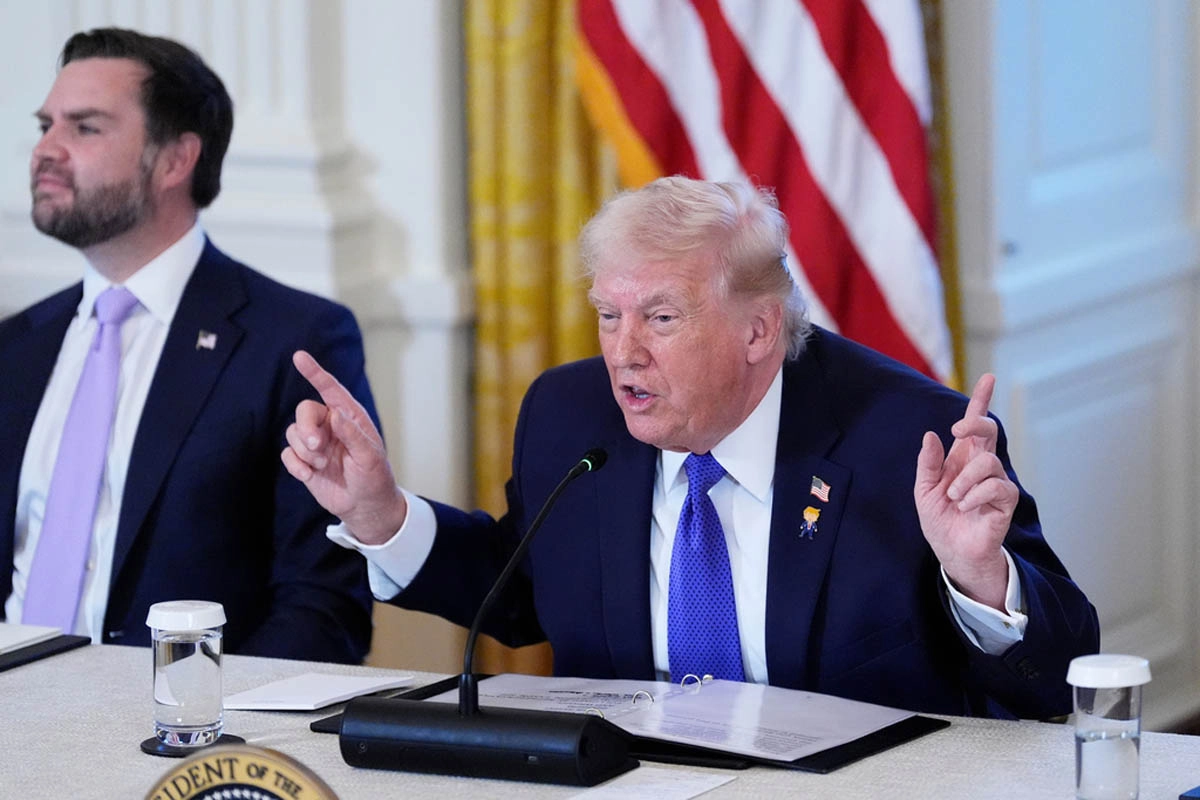

President Donald Trump indicated that James David Vance, who serves as his right-hand man in Washington, was allegedly not convinced to start a war against Iran, which could be considered a delicate position given that the New York tycoon often leaves to look favorably upon those who shy away from supporting his plans, however rash they may be.
During a meeting with several media representatives in Miami, Florida, one of them directly questioned the 79-year-old Republican about whether there was any division with the vice president regarding the military conflict he decided to launch.
“We got along very well on this. I would say he was a little different from me philosophically. I think maybe he wasn't as enthusiastic about going, but I felt it was something we had to do. I didn't think we had any other choice. If we didn't do it, it would have been done to us,” he replied without hesitation.
And to be more emphatic, the nation's leader stated that he came to feel that the Iranians were only trying to buy time, as there was no concrete interest in reaching an agreement to guarantee the abandonment of their nuclear program.
“I felt that, based on the negotiations that were “During the process with Steve Witkoff, Jared Kushner, Marco (Rubio), Pete (Hegseth), and everyone involved, it seemed to me that they were trying to convince us,” he emphasized. Since last week, during an interview with Fox News, JD Vance has taken a different stance from the one he had adopted during his campaign in support of Trump's candidacy. While previously he opposed direct U.S. involvement in protracted foreign conflicts, now—in order to justify his support—he dismissed the possibility of a long-running war with Iran. “There is no way Donald Trump is going to allow this country to enter into a multi-year conflict with no clear end in sight and no clear objective.”I think that means we're not going to fall into the same problems we had with Iraq and Afghanistan,” he explained.