

The Michoacan Plan: A Fire Test for Sheinbaum
It could be a turning point if it manages to transcend the announcement stage and translate into tangible and sustainable results
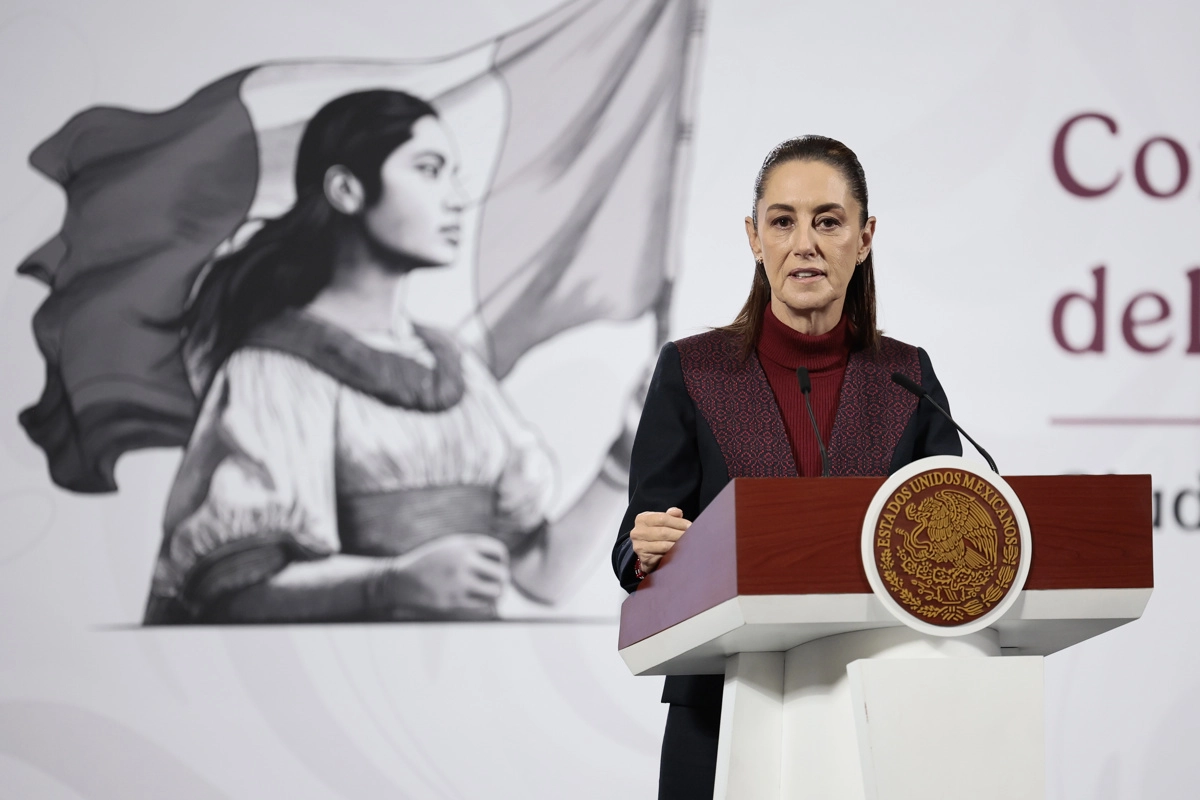

Given the outrage caused in Mexico and abroad by the brutal murder of the mayor of Uruapan, Carlos Manzo, President Claudia Sheinbaum presented the Michoacan Plan for Peace and Justice, an effort that, at least in theory, not only seeks to firmly combat organized crime, but also to rebuild the social fabric, justice, and institutions.
However, the Doubts exist about its effectiveness, among others reasons, because it bears many similarities to plans that have failed before.
The plan starts from a correct premise: violence cannot be defeated solely with a heavy hand. Its key elements include strengthening the rule of law, with specialized units focused on high-impact crimes and a greater federal presence; social and economic development, opening opportunities for young people, producers, and rural communities; and ongoing coordination among the three levels of government. It is a comprehensive and commendable approach.
What is unclear is how it will be implemented.
The challenge is monumental. Michoacan has been under the shadow of powerful and bloodthirsty cartels for at least 20 years: La Familia Michoacana, the Jalisco New Generation Cartel (CJNG), and the remnants of the Knights Templar.
They not only kill but also control routes and local economies and extort business owners and merchants, with the complicity of many authorities. This entanglement between crime and political power is the most difficult wall to break down. Added to this is institutional fragility: weak prosecutors' offices, infiltrated police forces, and judicial systems incapable of guaranteeing punishment. The social component of the plan also faces its own challenge. Generating employment, education, and productive alternatives is essential, but it takes time, resources, and sustained coordination. Meanwhile, criminal groups will continue to expand and recruit young people like the one who killed Manzo. Furthermore, the displacement of criminal cells to other territories is a real threat. The political factor is also significant. Michoacan is a symbol: a state where crime has claimed the lives of mayors, candidates, and ordinary citizens. Sheinbaum has a lot at stake. If results don't come soon,the narrative of the "grand plan" could backfire. It's obvious that all Michoacan residents are tired. The Michoacan Plan could be a turning point if it manages to transcend the announcement stage and translate into tangible and sustainable results. The commitment to "justice, intelligence, and coordination" marks a discursive advance over simple militarization. But success will depend on more: breaking the pact between corrupt authorities and organized crime, guaranteeing transparency and long-term continuity in security policies, and, above all, protecting those who, like Carlos Manzo, dare to confront the horror. There, and only there, will the true will for change to be measured.