

Trump demands that the Senate postpone the recess until he approves his SAVE America electoral reform
The president pressures Republicans to unblock an initiative that faces Democratic opposition due to its possible effects on the right to vote
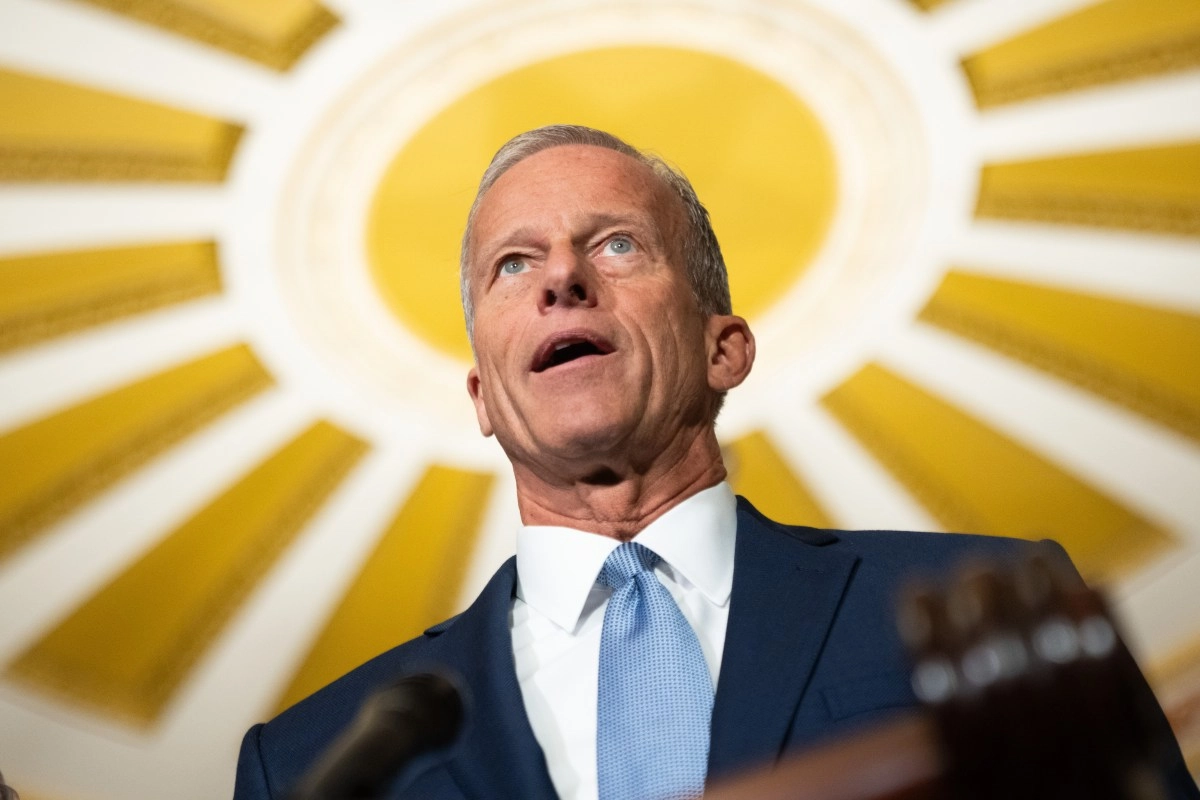

Donald Trump intensified the pressure on the Senate this Monday by asking the leader of the Republican majority, John Thune, to prevent the start of the August legislative recess until the House approves the so-called SAVE America Act, an electoral reform that would tighten the requirements for voting in federal elections and that remains stalled due to lack of sufficient support.
Through his Truth Social social network, Trump urged Republicans to keep the Senate sessions open and even once again called for the elimination of the filibuster, the parliamentary mechanism that requires 60 votes to be gathered to close debate on most initiatives.
“John Thune should not allow the United States Senate to “walk away” until it passes the SAVE America Act or, better yet, eliminates the filibuster, so Republicans could quickly pass everything they ever dreamed of,” the president wrote.
The request comes with just a few weeks remaining until the legislative recess and after several failed attempts by Republicans to move forward with the proposal, considered by Trump as a priority heading into the November midterm elections. Thune himself has publicly acknowledged that his caucus does not have the votes necessary to approve the initiative nor sufficient support to modify the Senate rules.
The SAVE America Act would require those registering to vote in federal elections to provide documentary evidence of U.S. citizenship, in addition to establishing stricter official identification requirements. Its promoters maintain that the measure would strengthen the integrity of the electoral system and prevent illegal voting, despite the fact that federal legislation already prohibits non-U.S. citizens from voting in federal elections.
The initiative, however, has provoked a strong reaction from the Democratic Party and civil rights organizations, which warn that millions of citizens could face obstacles to voting due to the difficulty in obtaining documents such as birth certificates or passports, especially among older adults, women who changed their last name after getting married and low-income people.
The project has also become a new point of friction within the Republican Party itself. Although Trump has insisted for months that the reform must be approved before the elections, several senators consider it unfeasible to advance until the 60 votes required to overcome the filibuster exist. Thune has reiterated that modifying this rule is not part of his plans, despite pressure from the president and legislators related to the MAGA movement.
The House of Representatives previously approved a version of the proposal, but the text has remained detained in the Senate since its receipt, with no defined date for a new vote. Republicans currently control 53 of the 100 seats in the upper house, an insufficient number to overcome the 60-vote threshold required by the regulations to advance most bills.