

War in the Middle East threatens to unleash an unprecedented world famine: UN
“This would take the level of hunger in the world to a historic record, and it is a truly terrible prospect,” warned Carl Skau

The conflict in the Middle East could trigger an unprecedented global food crisis, the United Nations (UN) warned, alerting that tens of millions more people could fall into acute hunger in the coming months.
According to estimates from the World Food Programme (WFP), up to 45 million people could be added to the ranks of the severely food insecure by 2026 if the war continues and oil prices remain high. This figure would be added to the 318 million people already facing hunger worldwide, marking a historic record.
The escalation of the conflict has had a direct impact on strategic supply routes, particularly following Iran's response, which included the blockade of the Strait of Hormuz, a key point for the transport of energy and goods. This disruption has slowed the delivery of humanitarian aid to some of the most vulnerable regions on the planet.
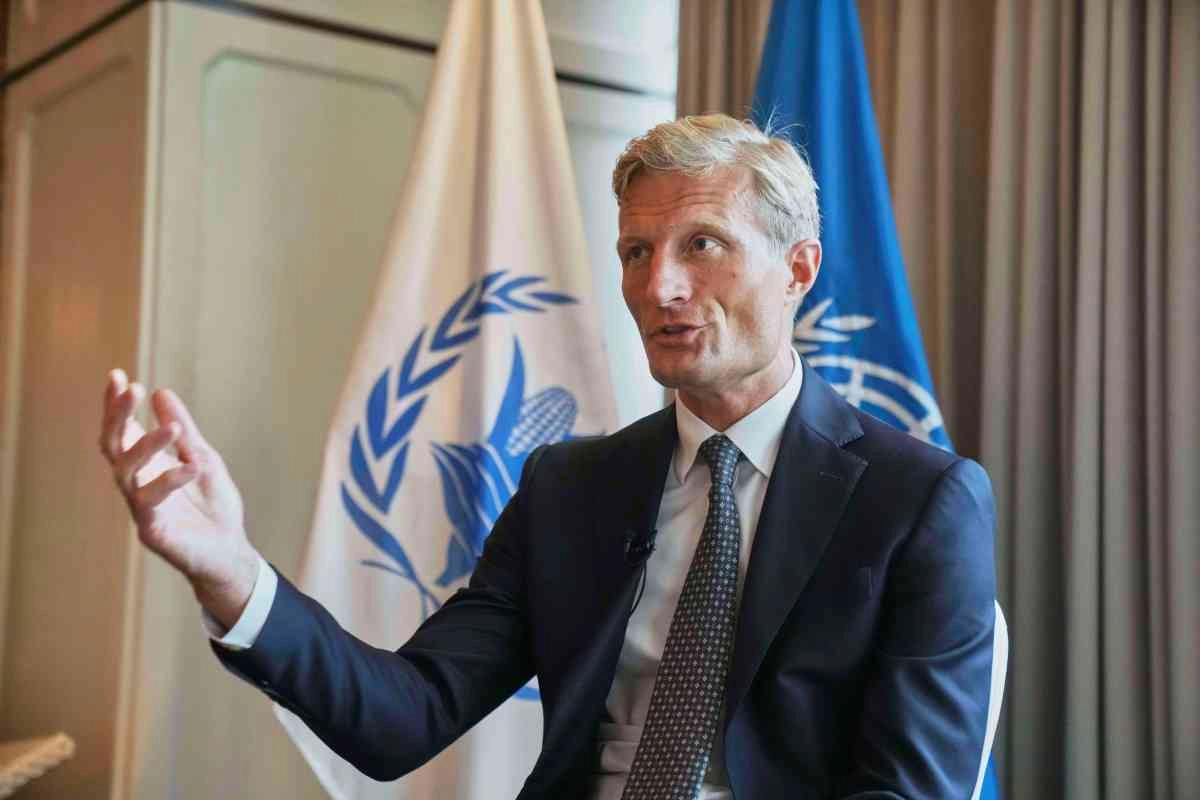
“This would take the level of hunger in the world to a historic record, and it is a truly terrible prospect,” warned Carl Skau, WFP Deputy Executive Director, during a conference in Geneva.
Logistical crisis and increased costs
The UN warned that the current situation could cause the biggest disruption to humanitarian operations since the COVID-19 pandemic. Supply chains are facing significant delays, while logistics costs continue to rise due to soaring fuel prices. The WFP reported that its transport expenses have increased by 18% amid the crisis, reducing its ability to procure food and assist the most vulnerable populations. “This means buying less food or delivering less aid,” Skau explained. The difficulties are already having concrete consequences. In Sudan, for example, the agency has had to reduce food rations,While in Afghanistan, only one in four children with acute malnutrition is receiving assistance.
The impact is reminiscent of the disruptions seen during the pandemic, when border closures and the drop in global air traffic forced the establishment of emergency humanitarian corridors to ensure the supply of food and medicine.
Regions at risk and global effects
The deteriorating conditions extend beyond the Middle East. The UN warned that rising oil prices could make food more expensive globally, particularly affecting import-dependent countries.
In sub-Saharan Africa, millions could be pushed into famine, with estimates pointing to more than 28 million at risk.
In East and Southern Africa, up to 17.7 million people could face food insecurity, while in Asia the figure could reach 9.1 million. South America and the Caribbean would not be spared either, with projections of more than 2 million additional people in critical situations. The United Nations Office for Project Services (UNOPS) noted that disruptions to airspace and transport corridors are affecting both commercial supply chains and humanitarian operations, which could lead to shortages of basic goods and additional pressure on already weakened health systems. Given this scenario, the UN reiterated its call for a de-escalation of the conflict, warning that there is no military solution and that, if the violence continues, the world could face a major humanitarian crisis in the coming months.The United Nations Office for Project Services (UNOPS) noted that disruptions to airspace and transport corridors are affecting both commercial supply chains and humanitarian operations, which could lead to shortages of basic goods and further strain on already weakened health systems. Given this situation, the UN reiterated its call for a de-escalation of the conflict, warning that there is no military solution and that, if the violence continues, the world could face a major humanitarian crisis in the coming months.The United Nations Office for Project Services (UNOPS) noted that disruptions to airspace and transport corridors are affecting both commercial supply chains and humanitarian operations, which could lead to shortages of basic goods and further strain on already weakened health systems. Given this situation, the UN reiterated its call for a de-escalation of the conflict, warning that there is no military solution and that, if the violence continues, the world could face a major humanitarian crisis in the coming months.