

Emergency analgesia and its difference with surgical anesthesia: this is how Koné was treated after his fracture.
After the double fracture, the Canadian player was given Pentrhox, a powerful non-opioid analgesic with ultra-fast action.
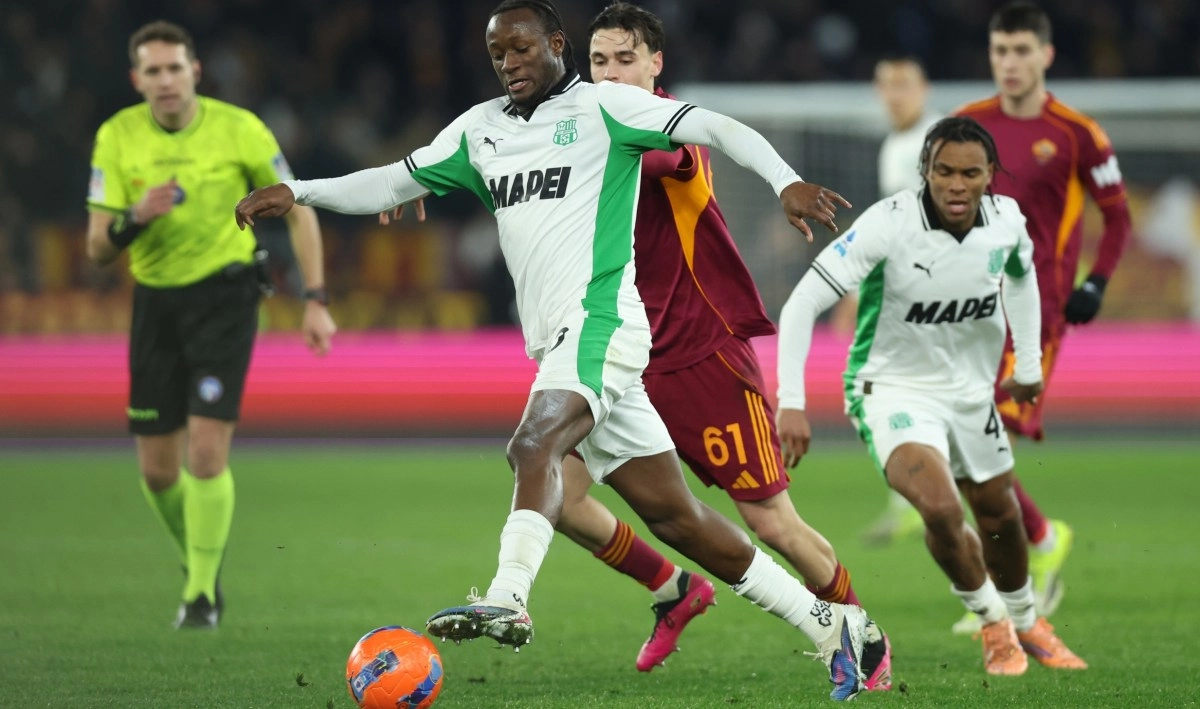

The image was etched in the retinas of millions of viewers: Ismaël Koné, midfielder for the Canadian team, fell to the grass at BC Place in Vancouver after a tackle behind the Qatari Assim Madibo, with a double fracture of the tibia and fibula in his left leg.
The match, which Canada would end up winning 6-0 on the second day of Group B of the 2026 World Cup, remained in the background while the medical team entered the field to stabilize the player before transferring him to a hospital in the city, where he underwent surgery that same night.
What happened between those two moments—the injury on the field and the operating room—precisely summarizes the difference between two forms of anesthesia that, although they pursue the same objective (controlling pain and allowing a safe intervention), respond to completely different clinical logics.
First step: stabilization and emergency analgesia
What the doctors did on the grass was not, technically, “anesthetizing” Koné in the surgical sense. It was emergency analgesia and immobilization: controlling acute pain, immobilizing the limb to avoid additional damage—such as vascular or nerve injuries associated with moving bone fragments—and preparing the patient for transfer.
In these types of situations, the field medical team usually resorts to powerful, fast-acting pain relievers, along with immobilization techniques with splints or splints. The goal is not to put the patient to sleep, but to keep him stable, conscious, and with pain controlled until he can be evaluated in a hospital setting with diagnostic images (x-rays and, in many cases, CT scans) that determine the true extent of the fracture.
The small green inhaler that Kone used has a totally different pharmacology than the anesthetics used in surgery operating rooms, it has the same concept, but with a different molecule and purpose,” says a specialist on the Instagram account @anestesialatina.
“What Koné inhaled was Pentrhox or methoxyflurane, an agent that we already knew from the past and that was used as a general anesthetic in the 1960s, but that returned with a completely different role: emergency analgesia,” he clarified, “that at ultra-low concentrations, between 0.1 and 0.3%, Pentrhox acts as a powerful non-opioid analgesic,” which, “unlike traditional inhaled anesthetics, Pentrhox It does not lead to an anesthetic level: the patient remains conscious, cooperative and with rapid pain relief, without the need for a venous line (...) with a rapid onset of action in less than six inhalations, for field emergencies or pre-hospital emergencies.
He comments that this completely changes everything. This use of painkillers demonstrates the new way of treating these serious injuries in soccer games. Pentrhox “is a drug that takes you off the field without pain, but also without fainting.”
Surgery: a planned, although urgent, anesthesia
Once at the hospital, the scene changes completely. Jesse Marsch, Canada's coach, confirmed that Koné underwent surgery the same night of the game to reduce and fix the tibia and fibula fractures, probably through osteosynthesis with plates, screws or an intramedullary nail.
This is where surgical anesthesia comes into play, which in traumatology can be presented in two main ways:
General anesthesia, which induces complete loss of consciousness using a combination of intravenous and inhaled drugs, along with muscle relaxants and airway control.
Regional or locoregional anesthesia, which includes spinal, epidural or peripheral nerve blocks, and which allows the limb to be operated on without the patient losing consciousness.
In orthopedic and trauma surgery, anesthesiologists usually combine both techniques: although for a long time it was considered that keeping the patient conscious through blocks was an advantage over general anesthesia, comparative studies have not shown significant differences in mortality or postoperative complications between the two, except for a higher incidence of deep vein thrombosis after general anesthesia.
The choice depends on factors such as the exact location of the fracture, the estimated duration of the surgery, the patient's general condition, and the preference of the medical team. In fractures such as those of the femur, which are common in emergency trauma surgery, multidisciplinary management between anesthesiologists, surgeons and other specialists is recommended to reduce the associated risks.
A recovery that will take months
Koné's operation was reported as successful by the Canadian federation, although his participation in the 2026 World Cup ended that same night.
The 24-year-old Sassuolo player will remain with the national team as a sign of support for the group, but the rehabilitation process for a double fracture of the tibia and fibula usually lasts several months and includes, in addition to the initial surgical management, postoperative pain control, prevention of thrombosis and a progressive physiotherapy program before resuming high-performance physical activity.
Qatar's Assim Madibo, who provided the foul and received a red card for the harsh tackle, apologized in person to Koné after the match.
Meanwhile, Koné posted on Instagram: “You can't even imagine how grateful I am to everyone who reached out to me and has me in their prayers.”