

Mexico, host of another World Cup? Claudia Sheinbaum opens the door to Clubs 2029
With the inertia of the economic success left by the 2026 World Cup in Mexico, President Claudia Sheinbaum opened the option of holding the Club World Cup in 2029
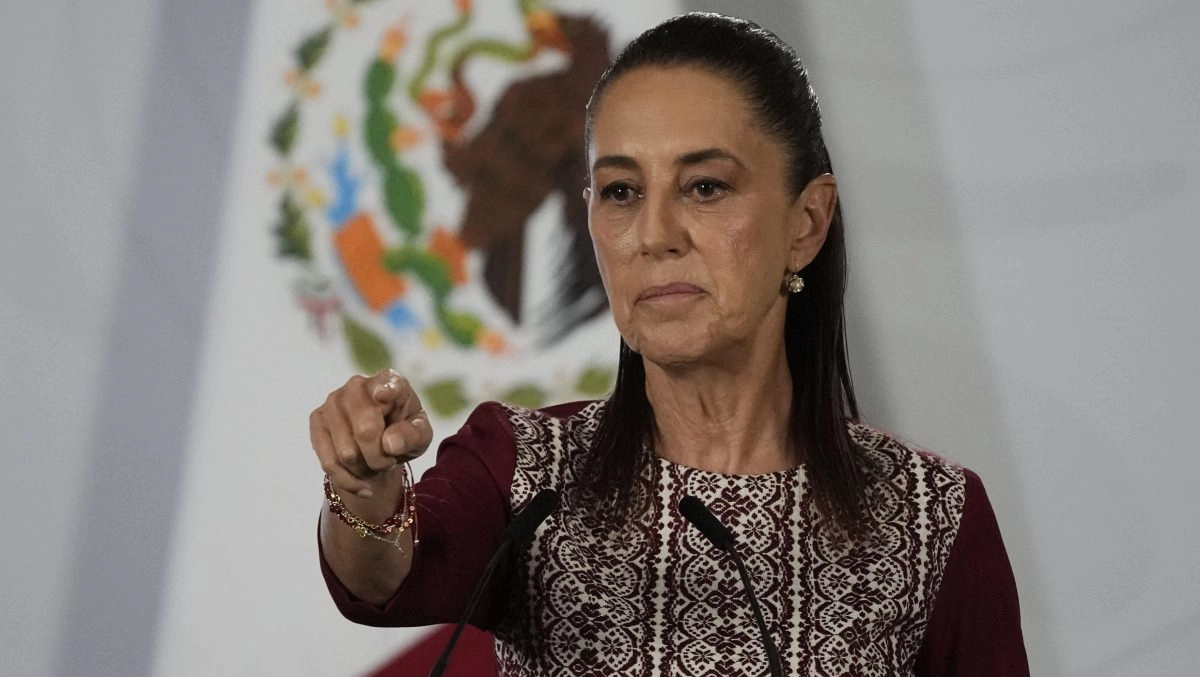

With the inertia of the economic success left by the 13 matches held in the country as part of the 2026 World Cup, the president of Mexico, Claudia Sheinbaum, opened this Wednesday the option of hosting the FIFA Club World Cup in 2029.
The great impact, the party atmosphere and the enormous economic impact left by the main FIFA event set the tone for the eyes of the world to once again focus on Mexico and its structural capacity to organize events of this nature.
Mexico raises its hand as an alternative to hold the new edition of this tournament, which had great success last year in the United States, where the English Chelsea was crowned after beating Paris Saint-Germain in a high-level soccer competition.
For this reason, the Mexican president reported that there is the possibility of organizing the event, after the authorities of the Mexican Football Federation submitted the proposal to the federal government. The objective is to find the mathematical and logistical formula that provides economic benefits to the country, Mexican soccer and, above all, FIFA.
"Yes. Let's see the conditions. They always have to be favorable conditions for Mexico. It would be a good thing for Mexico (to receive the Club World Cup) in general, but we have to see the conditions," said the head of the Executive, who was enthusiastic about the idea.
The person in charge of presenting the formal proposal to the government was Mikel Arriola, commissioner of the Mexican Football Federation. Arriola explained that the Aztec candidacy competes with other countries that also seek to organize the maximum club tournament that FIFA implemented with its new format.
Nations such as Brazil, Spain, Morocco and Qatar have shown strong interest in the organization. The dispute will not be easy, but the evidence of the 2026 World Cup party plays in Mexico's favor, where the fans overflowed into the three official venues.
In the case of Mexico City (5 games), the capital demonstrated its organizational capacity, since despite the historical challenges in mobility and delays in infrastructure works, the authorities managed to mitigate logistical conflicts.
This was possible thanks to the implementation of the 'Last Mile' operation - a security polygon of up to 2 kilometers around the Azteca Stadium - and a strategy that prioritized mass transportation.
The Metro Collective Transportation System, together with the continuous operation of the Light Rail and special fast connection routes from strategic points such as the Sports Palace, managed to fluidly mobilize the tens of thousands of fans each day, establishing a viable technical precedent for the 2029 tournament.
The logistical success was replicated in the same way in Guadalajara and Monterrey, where four games were played in each city.