

Scientists create paracetamol from recycled plastic and bacteria
The principles of this research that used Escherichia Coli strains open the door to the ecological production of drugs
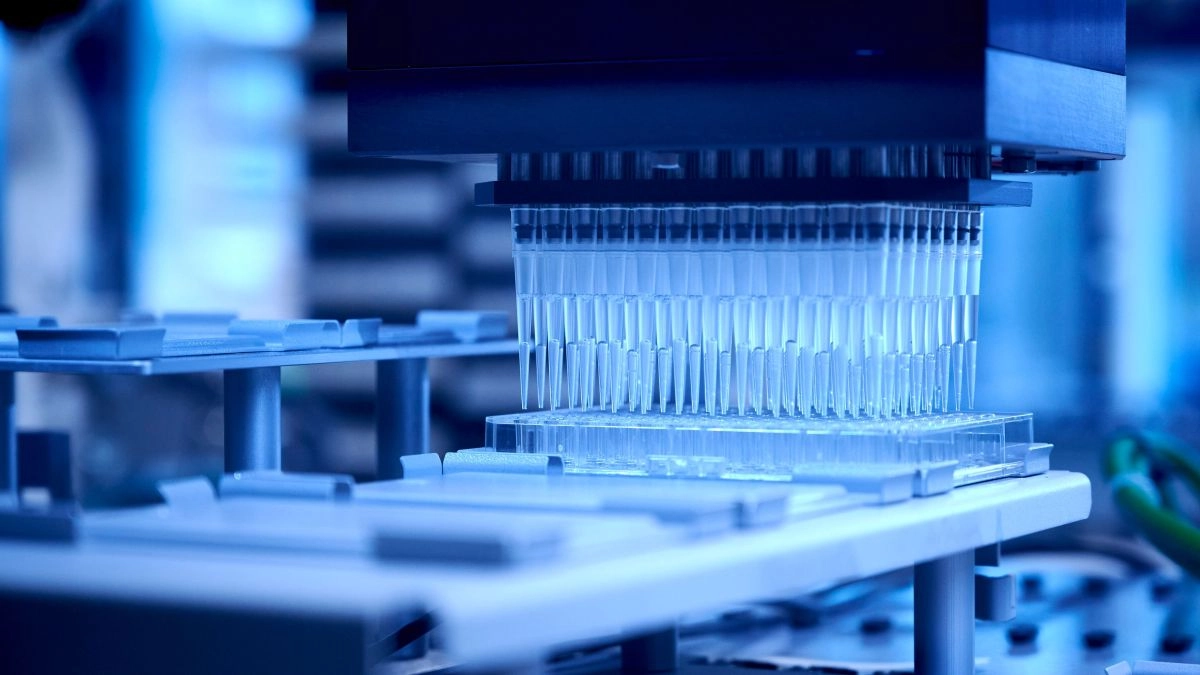

A team of scientists from the University of Edinburgh developed a pioneering technique to convert plastic waste into paracetamol using genetically modified bacteria.
The advance, recently published in the journal Nature Chemistry, could revolutionize both waste management and the sustainable production of medicines.
The research shows that the bacteria Escherichia Coli (E. Coli), commonly used In biotechnology, it can transform terephthalic acid a molecule derived from polyethylene terephthalate (PET) plastic bottles and containers into the active ingredient in this popular pain reliever and fever reducer.
Using a fermentation process similar to that of beer, the researchers were able to complete the conversion in less than 24 hours, with an efficiency of 90%, which reached 92% under optimized conditions.
The procedure is carried out at room temperature and generates minimal carbon emissions, unlike the usual industrial method, which relies on petroleum and contributes significantly to climate change.
“This work shows that PET plastic is not just waste or a material destined to become more plastic: microorganisms can transform it into valuable products, including medicines,” explained Stephen Wallace, senior author of the study and professor of chemical biotechnology at the University of Edinburgh.
Every year, more than 350 million tons of plastic waste are generated, much of it from PET, such as water bottles and containers of food.
Although mechanical and chemical recycling methods exist, many produce new plastics or low-value materials, with high energy and environmental costs.
This new approach represents a leap towards chemical 'upcycling': it converts waste into pharmaceutical compounds, with a smaller carbon footprint and greater added value.
The team used a chemical reaction known as Lossen rearrangement, which until now had not been induced in living cells.
The enzyme responsible was activated by compounds naturally present inside the bacteria.
This research was funded by the British agency EPSRC and the pharmaceutical company AstraZeneca, with support from Edinburgh Innovations, the university's technology transfer center.
“Biological engineering has enormous potential to reduce our dependence on fossil fuels, promote a circular economy and generate sustainable products,” said Ian Hatch, consulting director at Edinburgh Innovations.
Although the technique is not yet ready for industrial application, the researchers believe it marks the beginning of a new era in the production of sustainable drugs. The method could be adapted to other plastic waste and to the synthesis of various medicines, they point out.