

Why getting your phone wet is a terrible idea even if it waterproof
Submerging your phone can be a very bad idea, even if it a device that should theoretically be able to withstand it
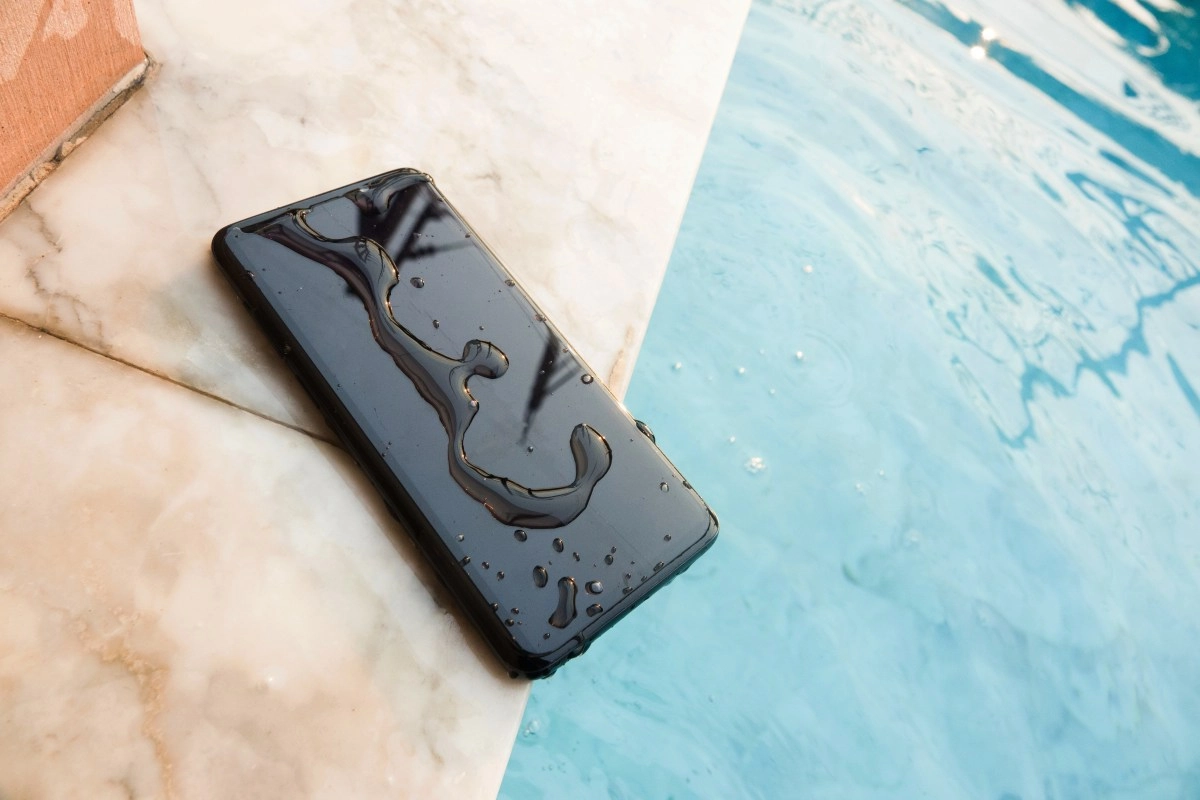

Many manufacturers boast that their phones are water resistant, using acronyms like IP67 or IP68, but it's important to understand that this isn't the same as saying they are fully waterproof. These certifications come from the IEC 60529 standard, and the second number in the IP code refers to protection against water ingress under specific laboratory conditions.
For example, a phone with an IP68 rating could withstand immersion in freshwater up to 1 meter or several meters for a limited time, usually 30 minutes. However, these tests are conducted under controlled conditions: clean water, constant temperature, and no sudden movement, which rarely happens in real life.
In other words, IP68 doesn't mean "carelessly dunk it in a pool"; it marks an upper limit in the laboratory.
Why you should avoid getting your phone wet or submerged even if it has IP68
Water resistance is a partial fallacy that you lose over time. Certifications apply only to new, sealed devices. Over time, the phone's adhesives, seals, and rubber degrade from daily use: drops, high temperatures, exposure to oils, sweat, or chemicals. That's why Apple and other manufacturers warn that water resistance isn't permanent and tends to decrease with wear. Second, you should keep in mind that real-life water isn't always the same as in the lab. Seawater, chlorinated pool water, or soap all contain salts, chemicals, or particles that can corrode seals or settle in ports, reducing the effectiveness of the original seal. Added to this is the fact that movement matters. Immersion tests are performed in static environments, carefully submerging the phone without dynamic pressure. The reality is very different: accidentally dropping it in the bathtub, heavy splashes, water currents, or taking it under the shower all involve changing pressures that can force leaks where nothing previously entered. Finally,Manufacturers almost always deny water damage in their warranty. Even if they advertise scenes with phones in the pool or in the rain, the fine print clearly states that liquid damage is not covered. IP certification is used as a marketing strategy, but not as a real commitment to after-sales service.
Real risks of getting your phone wet
1. Internal circuit failures
Even if the device seals properly under ideal conditions, water containing minerals or pressure can break these barriers and cause short circuits. A typical case: water gets trapped in the charging port and corrodes the contacts.
2. Moisture sensor in the warranty
Many phones have a sensor that changes color when it gets wet. If this happens, the manufacturer can reject the warranty without question.
3. Accelerated Wear and Tear
Repeated exposure to water, even without visible ingress, can affect the seals on cameras, speakers, and microphones, causing reduced call quality or distorted sound. Internal components can also slowly rust without leaving immediate external evidence.
4. Incompatibility with Extreme Situations
The IP rating doesn't cover pressurized water, high temperatures, salt water, or soap. So a splash of shampoo in the shower, swimming with your phone, or using it under a hot tap can quickly compromise it.
And here's the reality many forget: a phone that once passed an immersion test doesn't guarantee it will last a lifetime. Mechanical and chemical wear and tear mean that each exposure to water reduces its defenses. And in the end, if something goes wrong, you pay.
So what to do?
Forget about aquatic marketing and handle these devices with a minimum of caution. Don't intentionally use them in bathtubs, pools, hoses, or saunas. And if an accident does happen, turn it off, dry it thoroughly, and use safe methods—not quick dryers or extreme heat.
Yes, IP ratings are useful for getting an idea of ????durability in ideal conditions, but they don't replace common sense about the actual reliability of the device. At the end of the day, what matters is keeping it as dry as possible and not blindly believing the device is a portable coffee maker, promising underwater safety without consequences.
Even if manufacturers sell their smartphones as "waterproof" thanks to their IP rating, the reality is that it's a bit of a marketing ploy. They simply buy protection under highly controlled conditions, and then fail to back up that promise when things get complicated in real life. Don't get your phone wet for fun, stay logical, and don't risk the cost of a good fabric if something fails.