

Apple raised the prices of almost its entire product line and there is a very clear reason behind it
Apple announced a price adjustment in almost its entire catalog. The difference between yesterday and today can be up to $1,300 dollars.
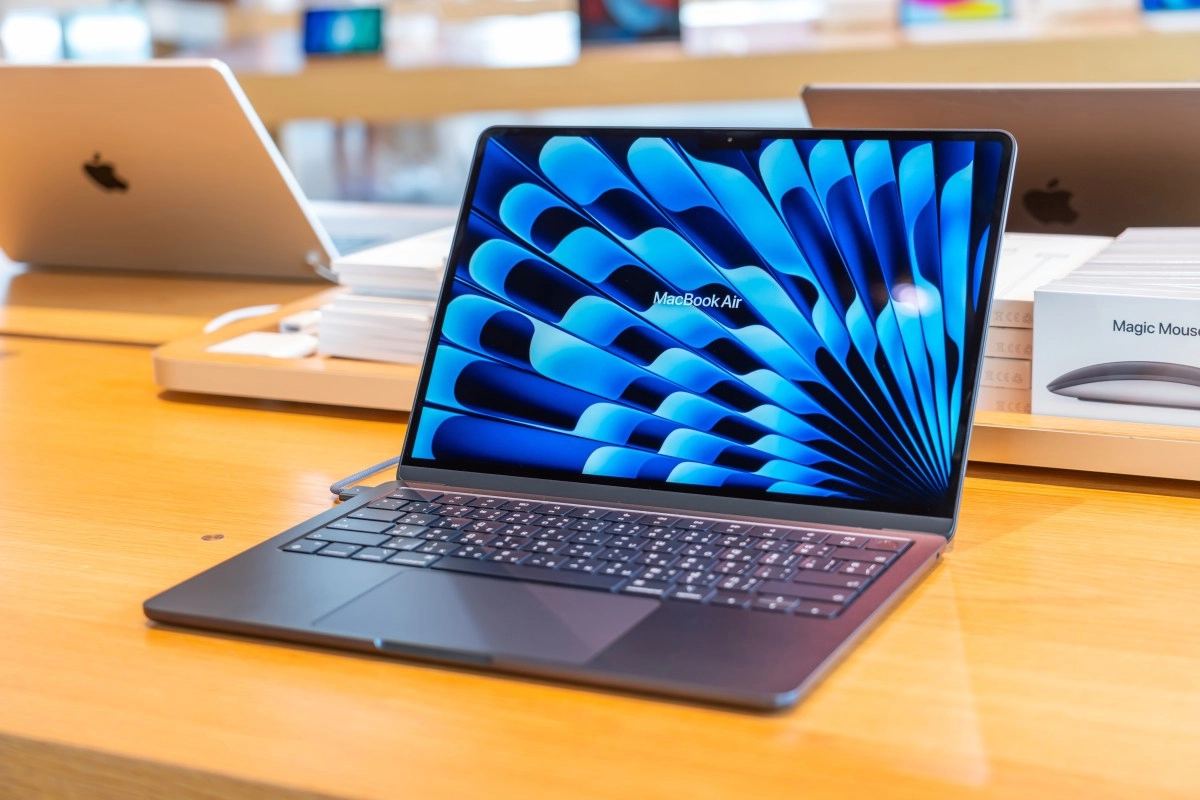

Apple just shook up the technology market with one of the most significant price adjustments in the company's recent history. The Cupertino giant's online store woke up this week with new labels in almost its entire catalog, and the blow was felt by those who wanted a MacBook to those who had their eye on an Apple TV. There is no gentle way to say it: buying an Apple device is no longer the same as it was a few days ago.
In total, about 20 products saw a price increase, with increases ranging from $30 for the HomePod mini to an impressive $1,300 for the Mac Studio with M3 Ultra chip. What makes this situation even more striking is that Apple didn't add extra memory, upgrade the processors, or add new features. You're paying more for the exact same hardware as before.
RAM and AI are to blame
Before we get into the numbers, it's worth understanding what's going on behind the scenes, because the root cause of all this has a lot to do with the explosion of artificial intelligence.
Companies developing AI models—OpenAI, Google, Meta, Microsoft, among others—are absorbing massive amounts of RAM and SSD drives to power their data centers. This has put unprecedented pressure on chipmakers such as Micron, Samsung, SK Hynix and Kioxia, which are redirecting much of their production toward high-bandwidth memory for AI servers. The inevitable result: fewer chips available for laptops, tablets and consumer devices, and skyrocketing prices.
Tim Cook, Apple's CEO, had already warned what was coming. In an interview with the Wall Street Journal on June 17, he described the shortage as a “centennial flood” and confessed that he had never seen anything like it in his more than 40 years in the technology industry. Days later, a company spokesperson publicly acknowledged to Bloomberg that “this is not good news” and that they are “working tirelessly to find solutions.”
Apple, of course, is not the only one in this situation. Microsoft raised prices on Xbox consoles, Samsung adjusted its Galaxy S26 line, and manufacturers like Dell, HP, and Lenovo have also moved their price tags. The chip crisis does not distinguish brands.
What are the Apple devices that are increasing in price?
This is the complete detail of the affected products and how much they rose. Prepare the stomach.
Mac Line
iPad line
Home Devices and Vision Pro
One fact that deserves special attention is that of the Apple TV 4K, which registered the largest percentage increase of the entire list with 54.3%, going from being Apple's most accessible device for the home to one that is considerably more difficult to justify.
Is the iPhone saved from price increases?
Perhaps the question that most people were asking is whether the iPhone would also enter the list of those affected. The answer, for the moment, is no. Current iPhone models, along with the Apple Watch, AirPods, and Studio Display, keep their prices unchanged.
But we must not let our guard down. Analysts are already estimating that the iPhone 18, expected in September, will arrive with a noticeably higher price tag. Projections vary greatly depending on the firm. JPMorgan estimates an increase of around $50; Evercore talks about about $100 dollars; Counterpoint Research predicts between $150 and $200 increase; and TechInsights suggests some models could go up to $270.
What is clear is that this crisis is not going to be resolved overnight. Chipmaker Micron expects the shortage to extend beyond 2027, Intel's CEO has said the situation is unlikely to improve before 2028, and some analysts even project price pressure into 2030. That means Apple's new prices are likely to stick around, because companies rarely roll back increases once they're implemented.
For those thinking about purchasing a Mac or iPad, acting early could make a real difference to your wallet. The era of Apple's "normal" prices, at least for a while, seems to have come to an end.