

Could there be a new earthquake in Venezuela? What the experts say
After the earthquakes in La Guaira, experts explain if another earthquake is possible and why Venezuela will continue to be a country with high seismic activity
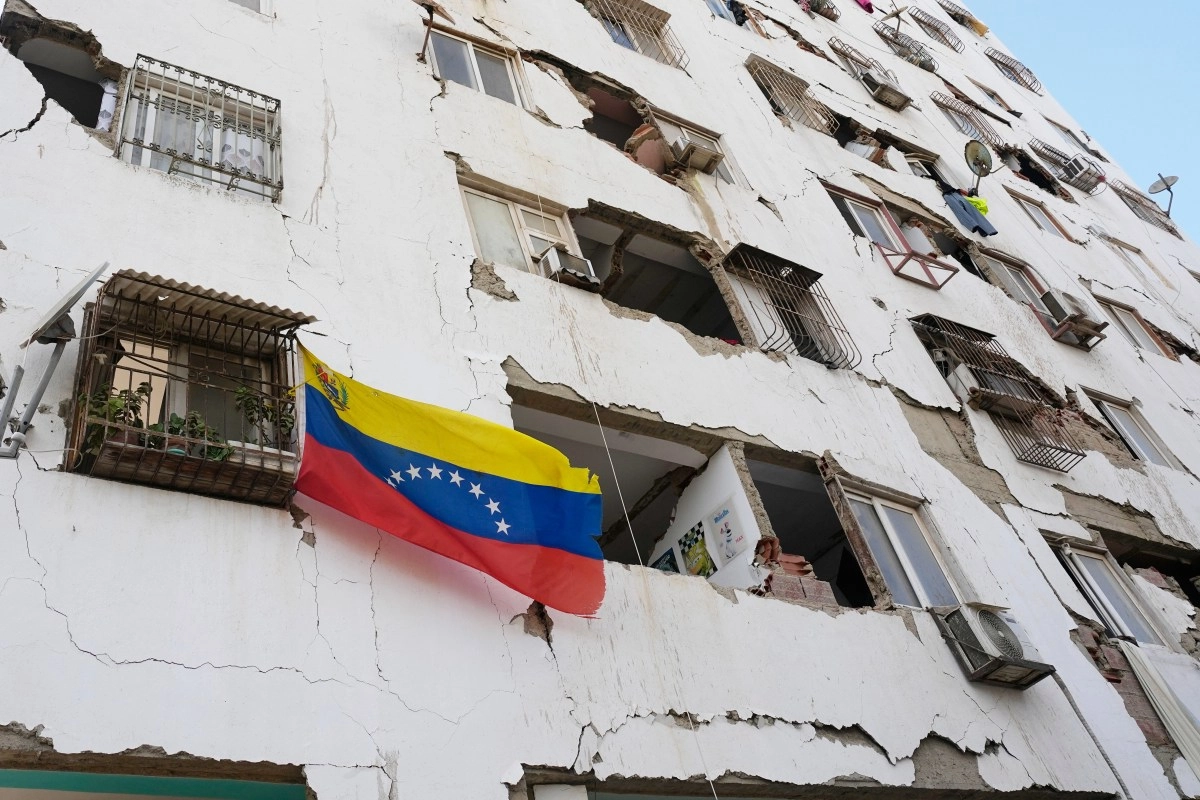

In the midst of the intense rescue efforts to find survivors and humanitarian campaigns, after the double earthquake registered in Venezuela, there is a question that remains open: can there be a new earthquake?
Experts in seismic activity cited by El Confidencial point out that science does not have tools that can predict the day, time, and much less the exact location of a new earthquake.
In an effort to obtain answers, the only thing that specialized organizations can do is monitor the activity of geological faults, analyze the behavior of aftershocks and estimate certain probabilities of seismic activity. However, this task is most effective after a major earthquake.
Agencies such as the Venezuelan Foundation for Seismological Research (FUNVISIS) and the United States Geological Survey (USGS) are in charge of carrying out this monitoring. In fact, they constantly report on seismic activities, local and international, which for many people become totally imperceptible.
If you take a look at each website you will notice that the planet practically never stops shaking. It's like the wind, volcanoes or ocean waves.
Read also: Who is Yorgelys Delgado and why is she so talked about after the earthquakes in Venezuela
Is it normal for aftershocks to occur?
After an earthquake of considerable magnitude, such as those of 7.1 and 7.5 recorded in La Guaira, Venezuela, it is most common for numerous aftershocks to occur during the hours, days and even weeks that follow.
Specialists explain that these movements indicate that the Earth's crust is releasing tensions and seeking a new balance after the shift of the tectonic plates.
In most cases, aftershocks are of lower intensity than the main earthquake. However, some can reach significant magnitudes and be felt strongly, especially if they occur near populated areas.
For these reasons, civil protection agencies usually maintain surveillance for several days after a significant earthquake. At the same time, agencies specialized in seismic activity increase alerts and reports to help with the situation in real time.
History confirms that earthquakes will continue to be part of Venezuelan reality
Throughout its history, Venezuela has experienced earthquakes that left a deep mark. Among the most remembered are the Caracas earthquake of 1812, the San Narciso earthquake of 1900, the Caracas earthquake of 1967, the Cariaco earthquake of 1997 and the one registered off the coast of Sucre in 2018.
This background shows that tectonic activity is part of the country's geology and that new earthquakes will continue to occur in the future, although it is impossible to determine when.
After the earthquakes registered in La Guaira, specialists recommend staying informed only through official organizations, following civil protection instructions and being prepared for possible aftershocks, remembering that prevention continues to be the most effective measure against a natural phenomenon that cannot be avoided.