

France’s €400M Jungle Prison Sparks Outrage Over Colonial Echoes
France plans to construct a €400 million maximum-security prison in French Guiana’s Amazon rainforest, aiming to isolate dangerous criminals. The move has sparked controversy, with critics likening it to a revival of colonial-era penal colonies.
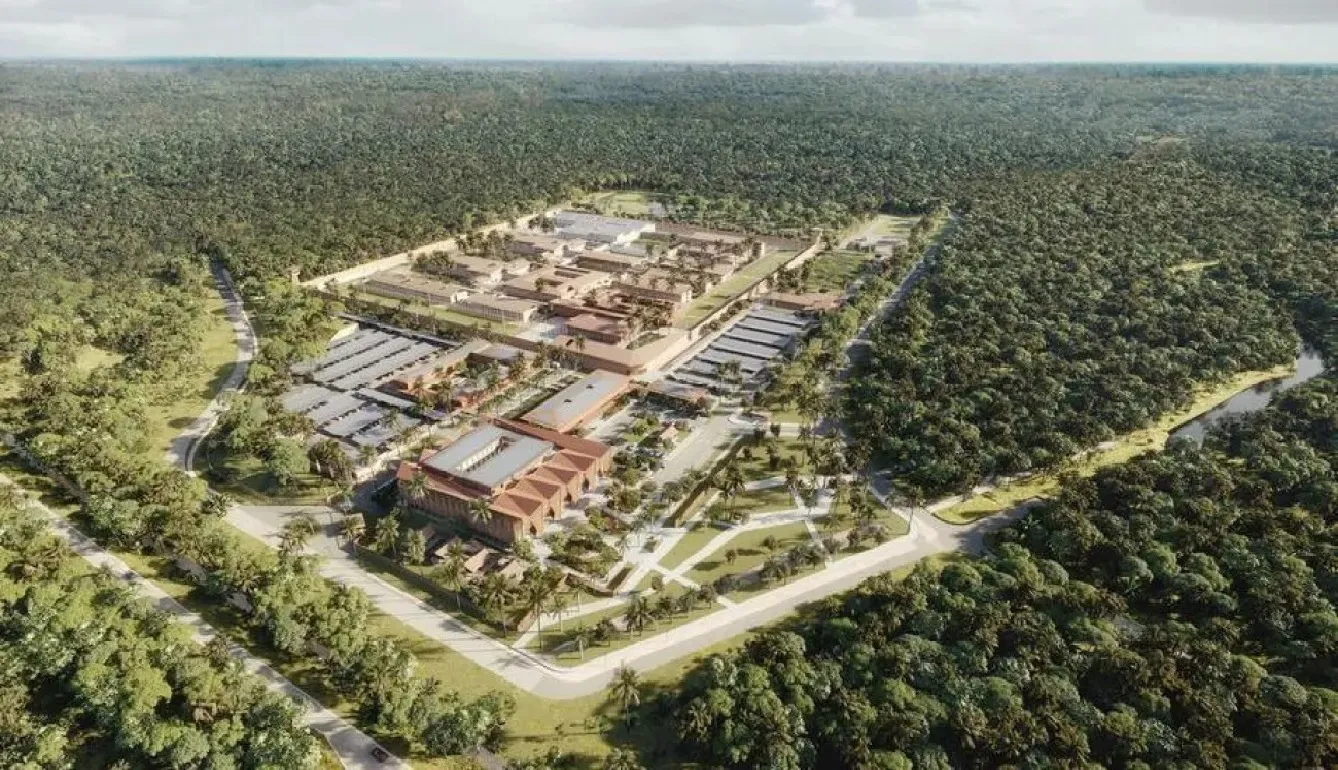

France plans to construct a €400 million maximum-security prison in French Guiana’s Amazon rainforest, aiming to isolate dangerous criminals. The move has sparked controversy, with critics likening it to a revival of colonial-era penal colonies.
In a bold move to combat organized crime, France has announced plans to build a €400 million maximum-security prison in the heart of the Amazon rainforest in French Guiana. The facility, set to open by 2028 in Saint-Laurent-du-Maroni, aims to house 500 of the nation’s most dangerous drug lords and Islamist extremists. However, the initiative has ignited a firestorm of criticism, with many accusing Paris of attempting to resurrect a colonial-era penal colony in South America.
Reviving the Ghosts of Devil’s Island
The proposed prison’s location is steeped in historical significance. Saint-Laurent-du-Maroni was once the gateway to the infamous Devil’s Island penal colony, operational from 1852 to 1953. During its century-long existence, over 80,000 prisoners were sent to the colony, many of whom perished due to harsh conditions and tropical diseases. The island became synonymous with suffering and injustice, notably housing political prisoners like Captain Alfred Dreyfus.
Justice Minister Gerald Darmanin, the architect of the new prison plan, insists that the facility is essential to sever the ties between incarcerated criminals and their external networks. “The prison regime will be extremely strict, with one aim: to put the most dangerous narcotraffickers in a place where they can do no harm,” Darmanin stated during a visit to French Guiana.
Local Opposition and Accusations of Colonialism
The announcement has been met with fierce resistance from local officials and residents. Jean-Paul Fereira, head of the territorial collective, condemned the project as disrespectful and misaligned with previous agreements aimed at alleviating local prison overcrowding. Member of Parliament Jean-Victor Castor went further, labeling the plan a “colonial regression” and urging the French government to halt the initiative.
Critics argue that the decision to build the prison in French Guiana, without adequate consultation with local authorities, reflects a paternalistic attitude reminiscent of colonial times. “Transferring high-level criminals to Guiana, people that France does not want, takes us back to a terrible, painful past full of suffering,” said Davy Rimane, a local deputy.
A Strategic Move Against Drug Trafficking
French Guiana has become a significant transit point for cocaine entering Europe. Dugout canoes ferry drugs across the Maroni River from Suriname, and drug mules often swallow packets of cocaine before boarding flights to Paris. Authorities estimate that one in three passengers departing from French Guiana’s main airport are carrying cocaine.
In response, Darmanin has declared a “war” on drug traffickers, isolating dozens in maximum-security units and negotiating treaties with neighboring countries like Brazil to facilitate the deportation of foreign convicts. The new prison is a cornerstone of this broader campaign against organized crime.
Human Rights Concerns and Prison Reform Debates
While some see the prison as a necessary measure to combat crime, others raise concerns about human rights and the efficacy of such facilities. Advocates of prison reform argue that isolating inmates in remote, high-security prisons can lead to violations of detainees’ rights and question the long-term effectiveness of such strategies.
Matthieu Quinquis, a lawyer from the International Prison Observatory, criticized the plan, stating that it revives a concept abandoned in the 1980s due to its harsh conditions. “France would be in violation of all the values and principles that we have agreed to in the European Convention on Human Rights and several UN pacts,” he warned.
France’s plan to build a maximum-security prison in French Guiana’s Amazon rainforest is a complex and controversial endeavor. While the government views it as a strategic move to dismantle criminal networks, critics see it as a troubling echo of colonial practices. As the project progresses, it will undoubtedly continue to spark debate over justice, human rights, and the legacy of colonialism.