

Israel Conducts Airstrike on Central Beirut, Killing Six
Israel conducts airstrike on central Beirut, Lebanon, killing at least six people in response to its forces’ deadliest day of clashes with Hezbollah.
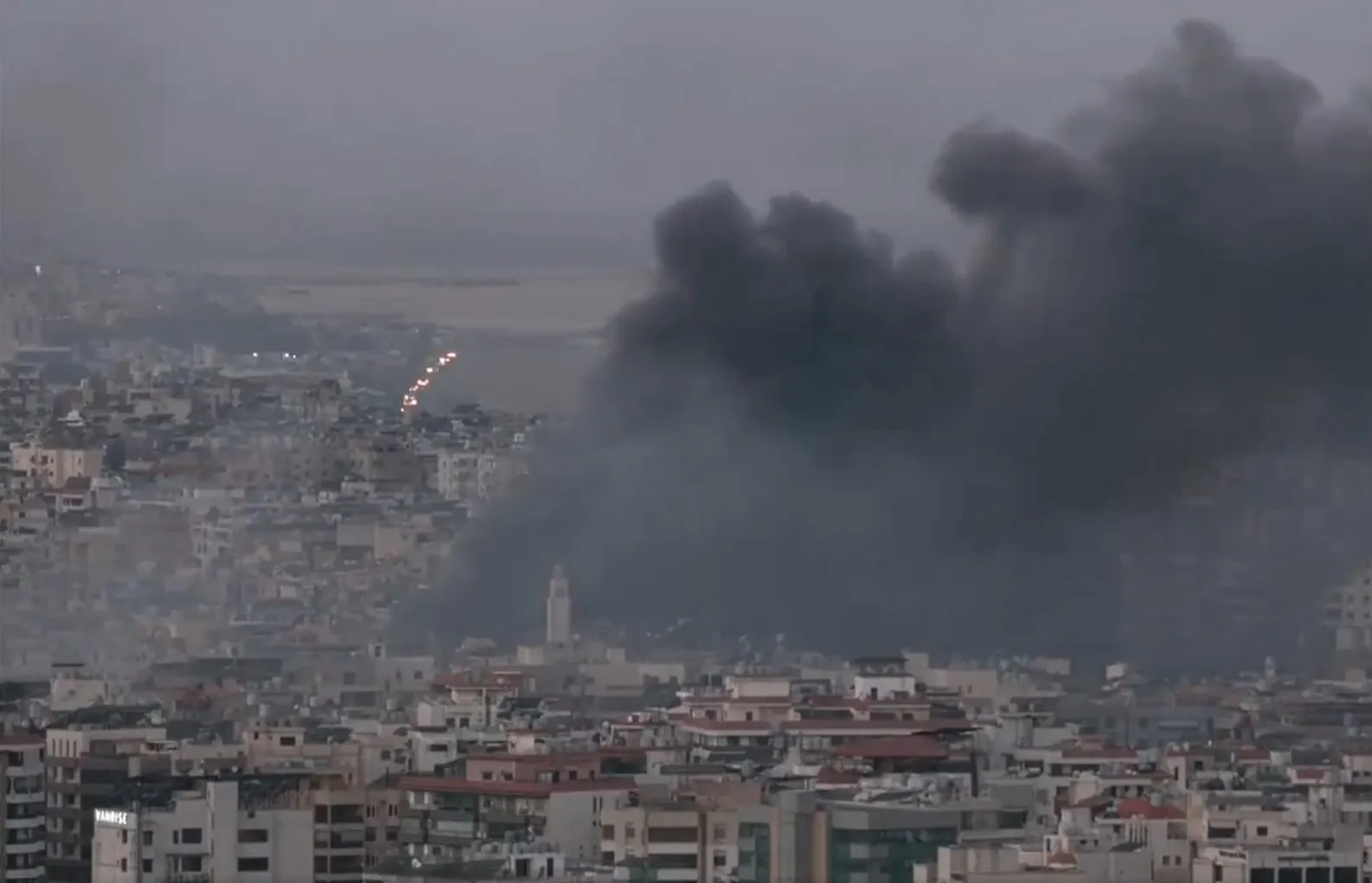

In the early hours of October 3rd, a plume of smoke rose into the sky over central Beirut as Israel launched a deadly airstrike, targeting the heart of the Lebanese capital. The attack resulted in the deaths of at least six people, according to local reports. The airstrike, which was described by Israel as a ‘precise operation,’ was carried out in retaliation for the deadliest day its forces had experienced in a year of ongoing clashes with the Iran-backed Hezbollah group.
Eyewitnesses in Beirut described scenes of chaos and destruction in the wake of the airstrike, as emergency services rushed to the area. Thick smoke enveloped the city as people scrambled to assess the damage. The strike has reignited tensions in the region, with Hezbollah vowing to respond, raising fears of further escalation in the already fragile security situation.
Context of the Attack
The Israeli military confirmed the operation, stating that it had conducted a "precise airstrike" on a Hezbollah stronghold in central Beirut. The attack comes after a series of skirmishes along the Israel-Lebanon border, where Israel has been engaged in a year-long conflict with Hezbollah. The clashes intensified over the past weeks, with Hezbollah launching rocket attacks on Israeli positions, leading to retaliatory strikes.
Israel’s Defense Ministry reported that its forces suffered significant losses on the Lebanese front, marking the deadliest day in a year of heightened conflict. The airstrike on Beirut was Israel’s response to Hezbollah’s continued aggression, according to a spokesperson for the Israeli government. The official also mentioned that the airstrike targeted key Hezbollah infrastructure and was designed to neutralize further threats from the group.
Impact on Beirut and International Response
The airstrike has sent shockwaves through Beirut, a city still recovering from the devastating port explosion in 2020. The Lebanese capital, already grappling with economic collapse and political instability, now faces the additional challenge of renewed conflict. Local authorities have condemned the airstrike, calling it a violation of Lebanon’s sovereignty and an escalation of hostilities in the region.
International reactions to the strike have been swift, with calls for restraint from various global leaders. The United Nations has expressed concern over the growing tensions between Israel and Hezbollah, urging both sides to cease hostilities and return to the negotiating table. The European Union has also called for a de-escalation of the conflict, highlighting the need for diplomacy to avoid further civilian casualties.
Hezbollah’s Response
Following the attack, Hezbollah issued a statement condemning the airstrike and vowing to retaliate. The group’s leader, Hassan Nasrallah, who has been a central figure in the conflict, accused Israel of deliberately targeting civilian areas in an attempt to provoke further violence. He also warned that Hezbollah would respond in kind, raising concerns of an impending military escalation between the two sides.
The airstrike has exacerbated tensions in a region that has long been a flashpoint for conflict. With both Israel and Hezbollah locked in a cycle of retaliation, the situation remains precarious, with the potential for further violence looming large over the horizon.
The airstrike on Beirut has once again highlighted the volatility of the Israel-Hezbollah conflict and its devastating impact on civilian populations. As the situation continues to develop, the international community is closely watching for signs of further escalation. Calls for peace and dialogue persist, but the ongoing violence underscores the deep-rooted tensions that continue to fuel conflict in the Middle East.