

Bill Pulte begins management with layoffs in office created after 9/11
The restructuring ordered by the White House generates concern in Congress, which warns of possible risks to the coordination of national security
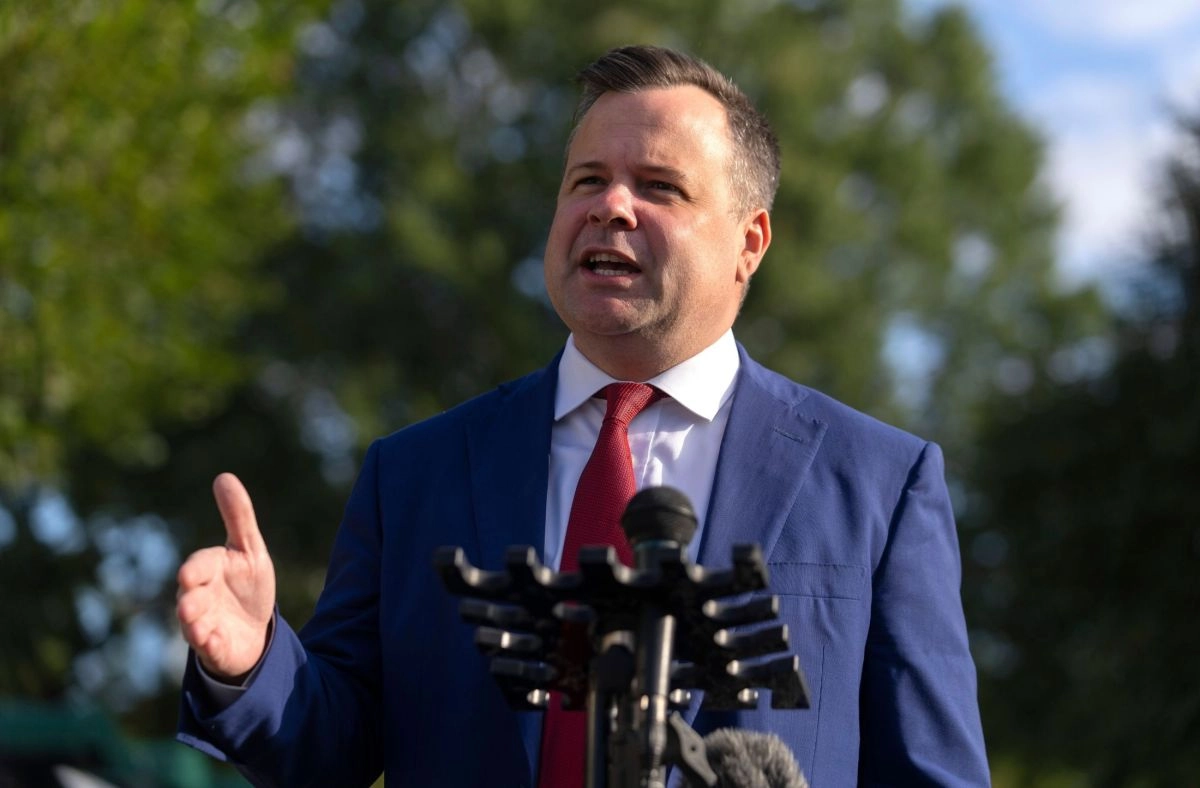

The first layoffs in the Office of the Director of National Intelligence (ODNI) began this week as part of a strategy promoted by President Donald Trump to reduce the size of the agency in charge of coordinating the activities of the country's intelligence agencies.
According to information from MS NOW, the cuts began on Monday after Trump named Bill Pulte as acting director of National Intelligence. The president announced on June 10, through Truth Social, that he instructed Pulte to carry out an immediate reduction in personnel and relocate some workers to the agencies of origin from which they came.
Adjustments begin in the National Intelligence Office
According to a senior White House official cited by MSNBC on condition of anonymity, the administration began implementing the layoffs as part of a broader review of the ODNI structure.
The office was created after the terrorist attacks of September 11, 2001 with the objective of improving coordination between the different US intelligence agencies and strengthening the prevention of threats against national security.
Bill Pulte, who took over last week on an interim basis, currently oversees the 18 agencies that make up the country's intelligence community. Although the administration has not detailed the exact number of employees affected, reports indicate that the cuts could involve hundreds of workers.
Congress expresses concern about possible risks
The decision has already provoked reactions among Democratic legislators. In a letter sent to Pulte, Senate Intelligence Committee Vice Chairman Mark Warner and House Intelligence Committee Top Democrat Jim Himes expressed concern about the impact a significant staff reduction could have.
Lawmakers noted that a significant decrease in human resources could weaken the coordination capabilities that motivated the creation of the office more than two decades ago.
“Given your lack of experience within the intelligence community, it is difficult to imagine that in such a short time you have already developed well-informed opinions on how to reduce ODNI without incurring national security risks,” Warner and Himes wrote in the letter.
In addition, they warned that a far-reaching restructuring should not be carried out from an interim position or without prior consultation with Congress.