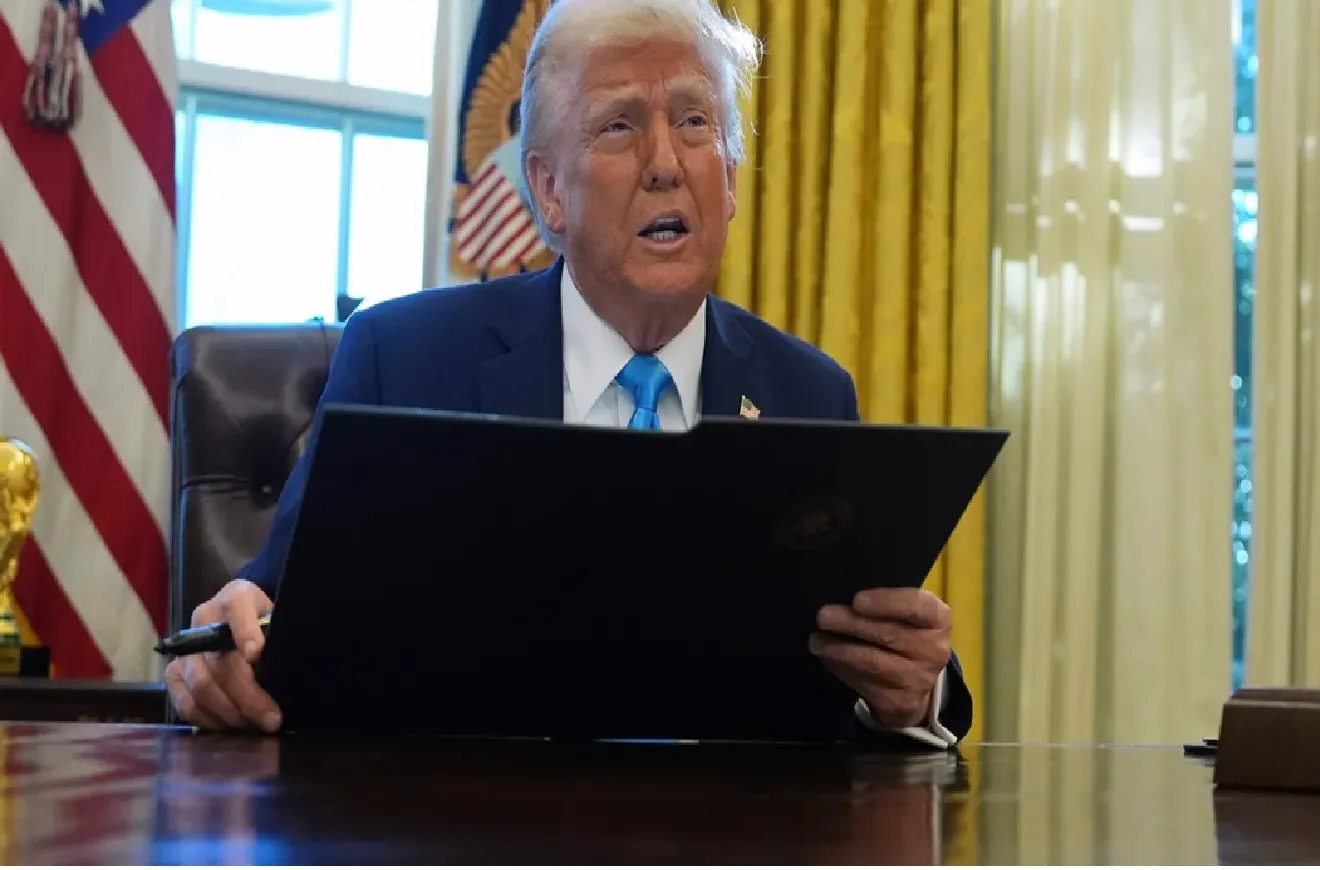

This executive order, signed on January 20, 2025, has ignited a firestorm of legal challenges and public debate. At its core, the order seeks to reinterpret the 14th Amendment, which has long guaranteed citizenship to nearly all individuals born on U.S. soil. Critics argue that such a move undermines constitutional principles and threatens to render stateless thousands of children born in the country.
Lower federal courts swiftly responded, issuing nationwide injunctions to halt the enforcement of the order. These courts cited potential violations of the Constitution and emphasized the far-reaching consequences of such a policy shift. The Trump administration, however, contends that these injunctions overstep judicial authority and has petitioned the Supreme Court to limit their scope.
The implications of this case extend beyond the immediate issue of birthright citizenship. The Court’s decision could redefine the balance of power between the executive branch and the judiciary, particularly concerning the issuance of nationwide injunctions. Legal scholars warn that a ruling favoring the administration might set a precedent allowing for fragmented enforcement of federal policies, leading to a patchwork of legal standards across states.
For families across the nation, the stakes are deeply personal. Immigrant communities, in particular, watch with apprehension, fearing for the future of their children’s legal status and the broader message such a decision would send about inclusion and belonging in America.
As the nation awaits the Court’s deliberation, this case serves as a poignant reminder of the enduring debates over citizenship, constitutional rights, and the very definition of what it means to be American.