

Activist Javier Zamora criticizes Trump's immigration policies and warns about dehumanization
Although he recognizes that some Latinos have begun to question their support for Trump, Zamora doubts that there is a profound change in electoral behavior
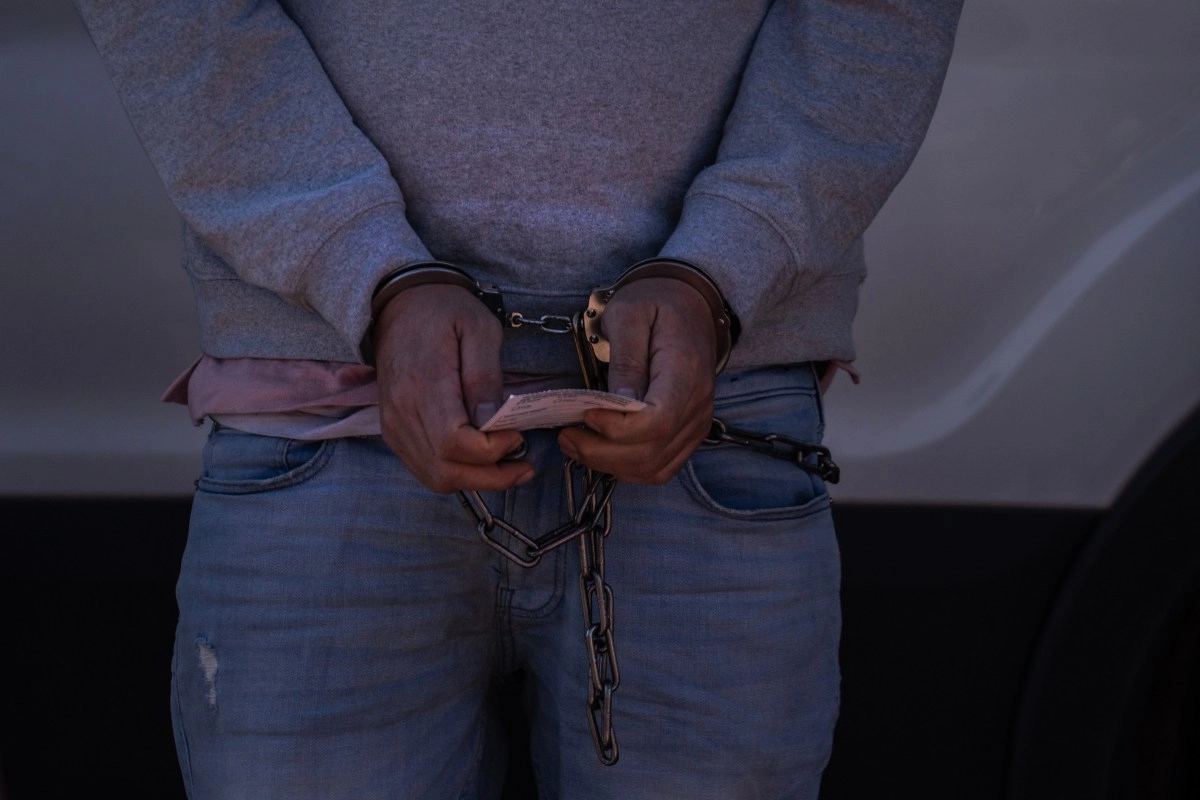

The Salvadoran writer and activist Javier Zamora assured that Donald Trump has managed to install fear and dehumanization in the daily lives of millions of migrants and people living in the United States, in the midst of the hardening of the immigration policies promoted since his return to the White House.
"This president whose name I hate to say, Trump, I believe has reached the depths of our subconscious of every migrant or non-white being who lives in the United States. And from there I believe that terror and racism and all this dehumanization of us, who are human beings, is winning," said Zamora in an interview with the EFE agency during the Centroamérica Cuenta literary festival, held in Panama.
The author of “Solito,” an autobiographical book that recounts the trip he made from El Salvador to the United States when he was just 9 years old, confessed to feeling fear and uncertainty about the possibility of returning to the country where he currently resides. Zamora crossed the US border as a child, traveling on foot through the desert and in small boats with other undocumented migrants.
Since his return to power in January 2025, he explains, Donald Trump reactivated a policy of mass detentions of migrants. According to data cited by EFE and reports from the Immigration and Customs Enforcement Service (ICE), the operations went from focusing on transfers from prisons and border arrests to direct raids in cities and communities in the interior of the country.
An analysis by the Institute of Government Studies at the University of California at Berkeley revealed that street arrests of immigrants increased eleven-fold during the first year of Trump's second term. In addition, official US Government figures showed that in January 2026 more than 70,700 migrants remained detained, the highest number recorded so far.
For Zamora, the political narrative promoted by Trump has reduced migrants to a single condition: “We are not seen as complete people.”
As he explained, although previous administrations also maintained restrictive policies, during Barack Obama's government there was a perception that positive change could occur. “We reached the peak of the mountain of hope and since then everything has been going down until we hit rock bottom,” he lamented.
Another aspect that most worries the writer is the Latino support that Trump obtained in the 2024 presidential elections. According to the Pew Research Center, the Republican president obtained 48% of the Hispanic vote, compared to the 51% achieved by the Democratic candidate Kamala Harris.
Zamora attributed part of this support to dynamics of racism and social aspiration within the migrant communities themselves. “I think that those who voted for Trump, what they are telling us is that they really believe that by being citizens they can become targets,” he said.
The writer also recalled that one of the most difficult experiences of his first years in the United States was not learning English, but facing discrimination from other already established migrants.
“It is something that happens in almost every migrant community around the world, that way of thinking: I suffered, but I already did it, now I am going to make you suffer, a newly arrived immigrant,” he expressed.