

EE.UU. usa por primera vez drones marítimos para atacar una base naval en Irán en el estrecho de Ormuz
The Pentagon confirmed the unprecedented use of unmanned vessels and toughens its military and naval offensive against Tehran
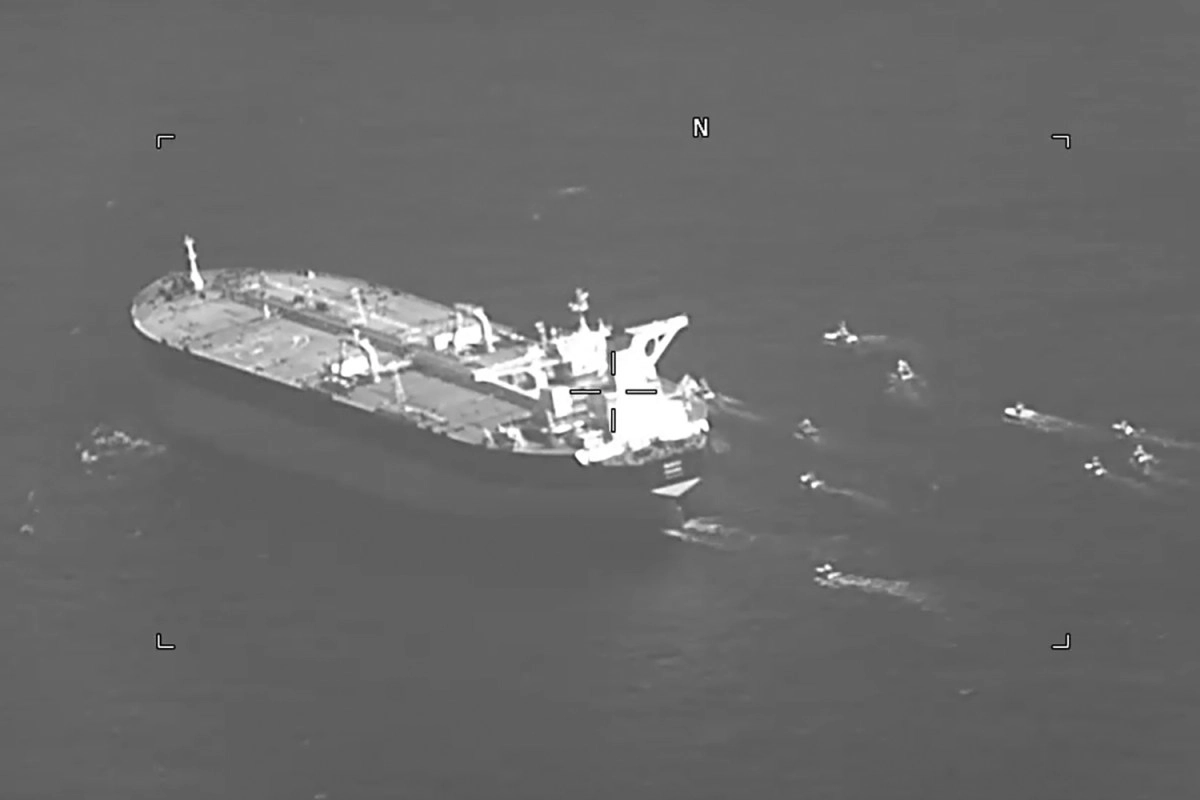

The United States used maritime combat drones for the first time to attack a naval facility in Iran, an unprecedented military capability that marks a new step in the confrontation between the two countries and reflects Washington's change of strategy to contain Iranian operations in the Strait of Hormuz, one of the most important trade routes in the world.
The US Central Command (CENTCOM) reported on Monday that US forces carried out an attack on a submarine and vessel maintenance center located at the Bandar Abbas Naval Base in southern Iran, using multiple surface drones designed to carry out unidirectional attacks.
In a statement released along with images of the operation, the military command said that "CENTCOM forces successfully attacked the facility using multiple surface drones for one-way attacks." He added that "three Corsair unmanned surface vessels impacted the port at Bandar Abbas Naval Base, marking the first time U.S. forces have employed maritime drones in combat operations."
According to official information, the objective of the operation was to reduce Iran's ability to continue attacking international maritime traffic.
"The attacks degraded Iran's ability to continue attacking commercial shipping," CENTCOM said in its official statement.
The Bandar Abbas Naval Base is the main center of operations of the Iranian Navy in the Persian Gulf and houses a significant part of the fleet of submarines, speedboats and boats used by the Islamic Revolutionary Guard Corps. From that port, Iran has planned much of its naval operations in the Strait of Hormuz, through which about 20% of the oil traded by sea in the world normally transits.
Defense experts believe that the use of maritime drones represents a relevant change in US strategy, since these platforms allow for precision strikes with less exposure for naval forces and can operate in highly monitored environments.
The attack coincided with President Donald Trump's announcement to restore the naval blockade against Iran and apply a charge equivalent to 20% of the value of the transport as compensation for the protection that the United States will provide to merchant ships crossing the Strait of Hormuz.
The measure was presented by the White House as a response to the continuous Iranian attacks against commercial and military vessels registered since the collapse of the ceasefire agreement signed on June 17, which, according to Washington, ceased to have effect due to Tehran's military actions.
The US administration maintains that Iran has increased aggression against international shipping using drones, anti-ship missiles and fast boats operated by the Revolutionary Guards.