

Aortic dissection can cause serious internal bleeding: rare heart condition caused death of Senator Graham
An aortic dissection can occur without warning and can be quickly fatal, and the symptoms often resemble those of a heart attack

Republican Senator Lindsey Graham of South Carolina, one of President Donald Trump's closest allies, died Saturday night at age 71. According to a preliminary report from the District of Columbia Medical Examiner's Office, the cause was an aortic dissection caused by atherosclerotic cardiovascular disease.
The forensic authorities specified that the death certificate will remain pending until the toxicological tests and the corresponding microscopic analyzes are completed. But what is an aortic dissection about?
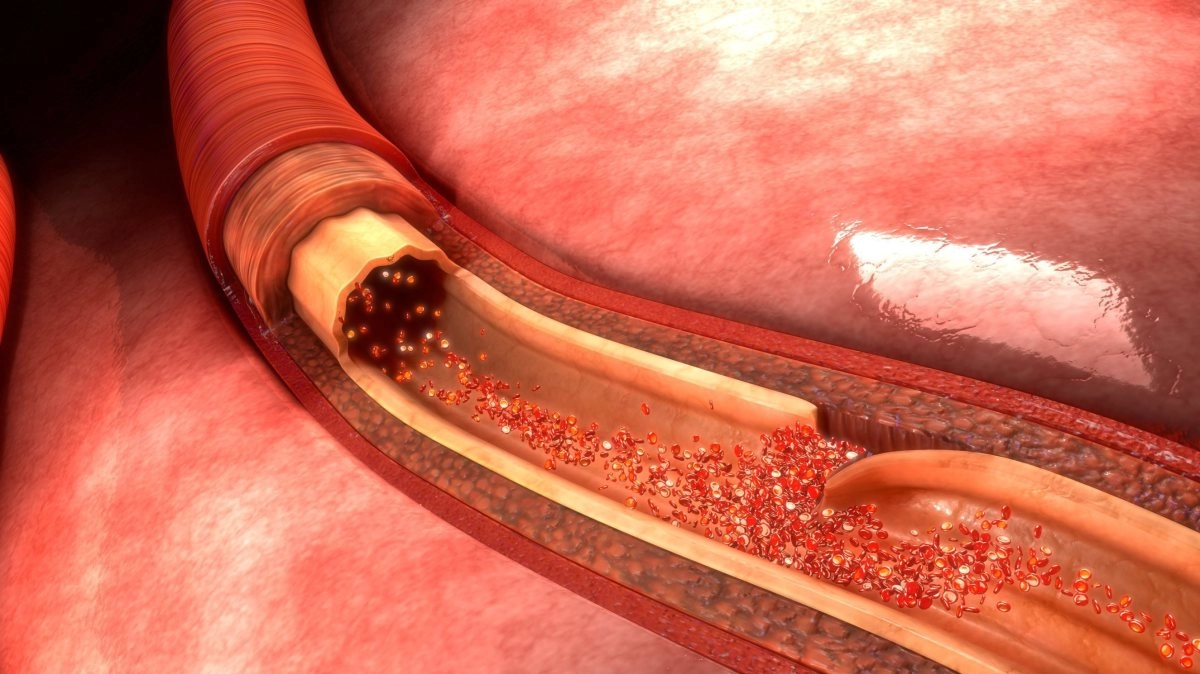
An aortic dissection is a tear in the inner layer of the main artery that carries blood from the heart, Dr. Ann Marie Navar, a cardiologist at UT Southwestern Medical Center in Dallas, told NBC News. Such injury can lead to severe internal bleeding and ultimately organ failure, as the dissection can block blood flow to the heart itself or cause blood to pool around it, compressing the heart and preventing it from pumping blood to the body.
According to the Mayo Clinic, cited by various media, blood shoots through the tear, causing the inner and middle layers of the aorta to separate, and if it manages to pass through the outer wall of the artery, the condition is usually fatal.
A rare but lethal condition
Specialists agree that this is a rare condition, although possibly underdiagnosed: around 13,000 people die each year in the United States due to an aortic dissection, according to a report published in the Journal of the American College of Cardiology. The highest risk group is men aged 60 or older with high blood pressure or atherosclerosis.
The most alarming thing, according to doctors, is its sudden nature: an aortic dissection can occur without warning and can quickly be fatal. Symptoms often resemble a heart attack, with sudden, severe pain in the chest, neck, jaw, or back, difficulty breathing, or loss of consciousness.
Navar herself warned about the narrow window of time to act: if the diagnosis comes in time, emergency surgery can save life, but when the tear progresses too quickly and there is no time to reach a hospital, the outcome is usually fatal.
Circumstances of Graham's death
According to emergency services audio, a woman called from Baltimore to report that Senator Graham was suffering from chest pain and that he was alone in his Capitol Hill home.
The paramedics were initially unable to access the house because the door was locked, but they finally managed to initiate cardiopulmonary resuscitation maneuvers, El Comercio reported.
Risk factors
In addition to hypertension, there are several risk factors that can contribute to an aortic dissection: aortic aneurysm, atherosclerosis, connective tissue diseases such as Marfan or Ehlers-Danlos syndrome, bicuspid aortic valve, Turner syndrome, vasculitis, coarctation of the aorta, history of cardiac surgery or catheterization, chest trauma, strenuous exercise, heavy lifting, and cocaine use.
High blood pressure is the most associated factor, and may be present in a large proportion of cases. Atherosclerosis is also related to the problem, especially in older people.
Structural and genetic factors
Alterations of the aortic wall increase the risk, especially collagen and connective tissue disorders. Marfan, Ehlers-Danlos and annuloaortic ectasia fall into this group.
Some dissections appear after intense exertion, trauma or cocaine consumption, which can precipitate the event in predisposed people. They have also been associated with previous interventions on the heart or aorta.