

California drivers continue to pay more expensive gasoline despite truce with Iran
While the US-Iran deal reduces prices in much of the country, California remains the exception
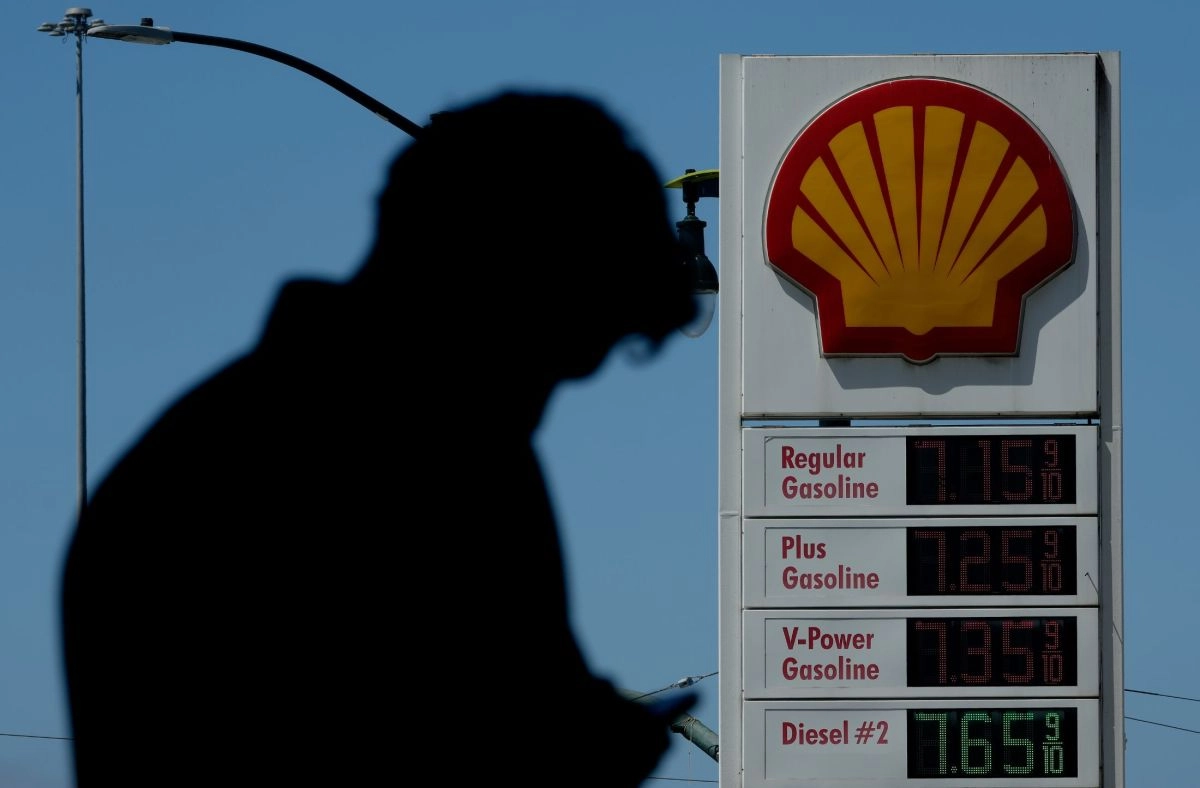

While much of the country begins to see a reduction in fuel prices following the recent agreement between Washington and Tehran, California motorists continue to face significantly higher costs at the pump, a situation that continues to impact the budgets of thousands of families.
According to information published by the New York Post, the relief that is already perceived in other regions of the country has not yet reached the state governed by Gavin Newsom, where drivers continue to pay some of the highest gasoline prices in the United States.
California maintains a wide gap compared to other states
The difference can be clearly seen on the border between California and Arizona. At a Mobil station located in Needles, California, the price of regular gasoline reached $6.79 per gallon.
A few minutes away, across the state line into Arizona, an Arco station was selling the same fuel for $4.15 per gallon, a difference of $2.64.
According to data from the American Automobile Association (AAA), the national average is around $3.90 per gallon, well below the levels recorded in California.
Experts and officials attribute this gap to a combination of factors, including high state taxes, environmental regulations and programs related to emissions reductions.
Taxes and regulations under the magnifying glass
California has the highest state gas tax in the country, at 61 cents per gallon. Added to this are charges related to climate and emissions control policies that add between 34 and 44 additional cents.
Republican Congressman Vince Fong, representative of the Central Valley, harshly criticized these policies.
“California drivers are paying excessive taxes and suffering from excessive regulation at gas stations,” Fong told the aforementioned media.
The legislator also maintained that residents can cross just a few miles into Arizona to find considerably cheaper fuel, a situation he called a “failure of energy policy.”
The agreement with Iran reduces pressure on the oil market
Oil prices had risen following tensions related to Iran. However, the recent memorandum of understanding between the United States and Iran helped reduce uncertainty in international energy markets.
The agreement once again facilitated the transit of oil tankers through the Strait of Hormuz, one of the most important routes for global crude oil trade, allowing millions of barrels to reach international markets.
Still, although AAA reported a decrease in the average price of gasoline in California, which went from $5.80 to $5.64 per gallon in one week, drivers in the state continue to pay well above the national average.