

California guarantees access to health for undocumented immigrants during pregnancy
Through MediCal, they receive full coverage and up to 12 months after delivery
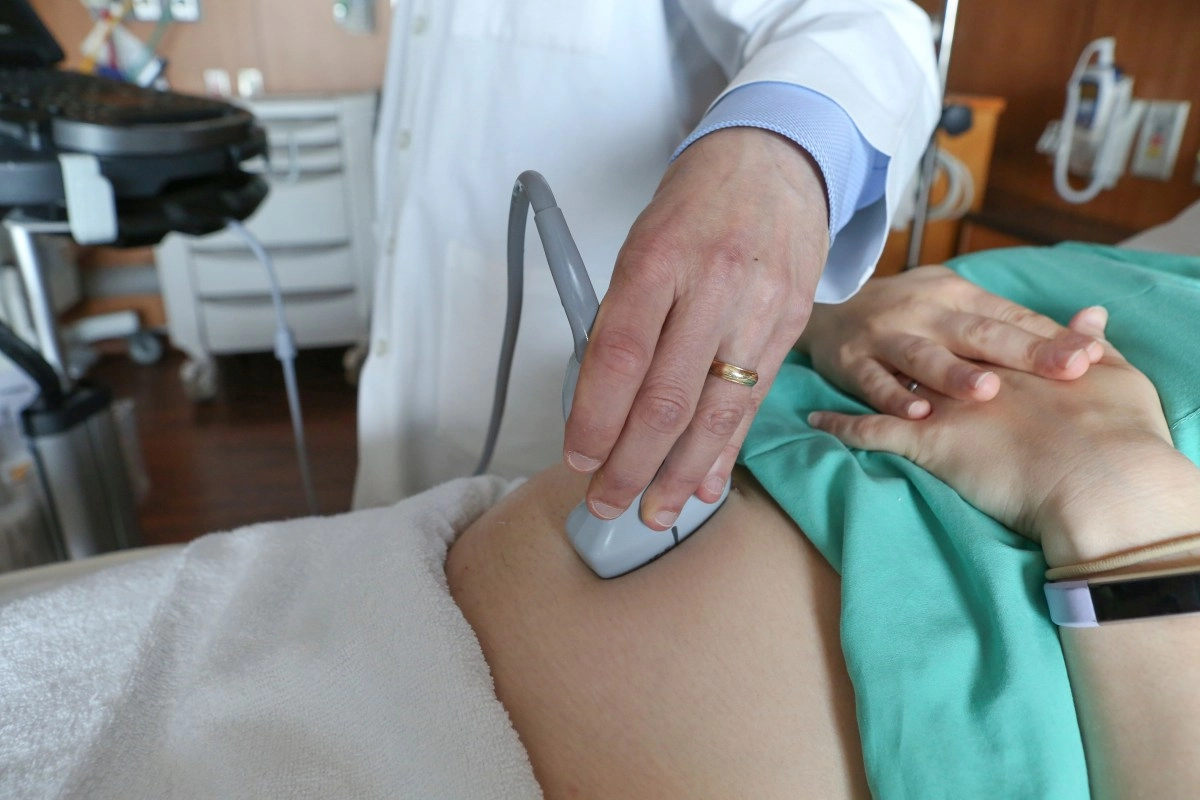

While federal health programs face drastic cuts, California remains committed to ensuring that all pregnant people, regardless of their immigration status, have access to the medical care they need.
Through the MediCal program, undocumented pregnant women can receive full coverage during pregnancy and up to 12 months after delivery. “We want to assure our communities that applying for MediCal is safe. Personal information is confidential and is not shared with federal immigration authorities. Using MediCal will not affect your immigration status or be considered in public charge determinations,” said Raquel Saunders, MediCal Benefits and Legislation Section Chief at the Department of Health Care Services (DHCS), during the videoconference: “Amid National Health Cuts, California Preserves Full Maternity Coverage,” hosted by American Community Media (ACoM). She encouraged anyone needing medical care to visit their county social services office or a community health clinic to begin the application process. This is very important, she noted, because many women are unaware that this comprehensive support is available to them, including the many new services and benefits available through the California Advancing and Innovating MediCal (CalAIM) program. Saunders said that many people in our community, especially immigrants and families with Women with different immigration statuses feel insecure about the upcoming changes to the healthcare system.
“Thanks to Cal-Aim and the birth care program, members now have access to a wide range of maternal care providers who cater to cultural and linguistic needs, as well as individual preferences regarding when, where, and how to give birth.”
She pointed out that to highlight the wide range of maternal health services available through MediCal, the DHCS has developed two brochures,One describes the prenatal services offered; and the other, the differences between perinatal providers.
Doulas
“Doula services have been covered by MediCal and have been a benefit since January 1, 2023; and as of November 15, 2025, DHCS has enrolled 1,098 individual doula providers, which represents a significant milestone and expands access to culturally responsive care.”
She explained that doula services include emotional and physical care during pregnancy, labor, birth, and postpartum.
Other services, she said, include assistance following a miscarriage or abortion, medical guidance, birth planning, breastfeeding support, and education on prenatal, postpartum, and newborn care, as well as referrals to community resources such as breastfeeding classes or maternal support groups.
Other Services
She explained that in addition to doula services, MediCal also covers two types of midwives: certified nurse midwives and licensed midwives.
“Both can practice independently and do not require medical supervision. Both are health professionals with specific training who care for members with healthy, low-risk pregnancies.”
She added that their services include prenatal checkups, counseling and emotional support, personalized approaches, and comprehensive pregnancy and delivery care, whether in hospitals, birthing centers, or at home.
“Midwives do not perform surgeries such as cesarean sections. For more information and resources, we encourage you to visit and share the DHCS, Maternal-Perinatal Services, and Midwife Information websites.”
Family Pact
Nurse Sarah Gilbert, head of the Department of Health Care Services' Office of Family Planning, said they administer the Family Pact program, which focuses on access to family planning care and planning for healthy pregnancies.
“Family Pact serves California residents with incomes at or below 200% of the federal poverty level who, first, need family planning for medical reasons, and second, lack health insurance or face barriers to accessing these services.”
She emphasized that eligibility for Family Pact does not consider immigration status, but the person must live and have an address in California.
“Registration is simple and can be completed at any participating clinic on the same day the services are needed. You can also apply online by visiting familypact.org.”
She said that Family Pact offers a comprehensive range of family planning services,which include education and counseling, and access to all contraceptive methods approved by the Food and Drug Administration.
“Reproductive health screenings include pregnancy tests, cervical cancer screening (e.g., Pap and HPV tests), and testing and treatment for sexually transmitted infections.”
She detailed that Family Pact services are free, confidential, and available throughout California.
“The program is designed to be inclusive and accessible. No immigration-related questions are asked, and using Family Pact does not affect a person’s public charge status.”
She said this ensures that all eligible people can seek the care they need without fear or doubt.
Certified nurse midwife Eva Goodfriend-Reano, clinical chief of midwives at Alameda Health System, said midwives care for people before pregnancy, during pregnancy, assist in childbirth, and provide postpartum care in various settings.
“Midwives also care for the newborn during the first few weeks of life and, if necessary, can refer them to pediatric care if unusual circumstances arise.”
She mentioned that they also provide support with Pap smears, family planning, and other types of routine health screenings.
“All individuals who receive health coverage through MediCal in California and are pregnant can continue to receive services during the first year postpartum. With coverage during the first year, a patient with postpartum depression can continue to see a midwife and receive a multifaceted approach that includes medication management if needed, in addition to support services and therapy.”