

Delaney Hall: Immigrants suspend hunger strike for fear of punishment and isolation
The detainees demanded better food, medical care and access to drinking water; Activists denounce transfers and restrictions on family members
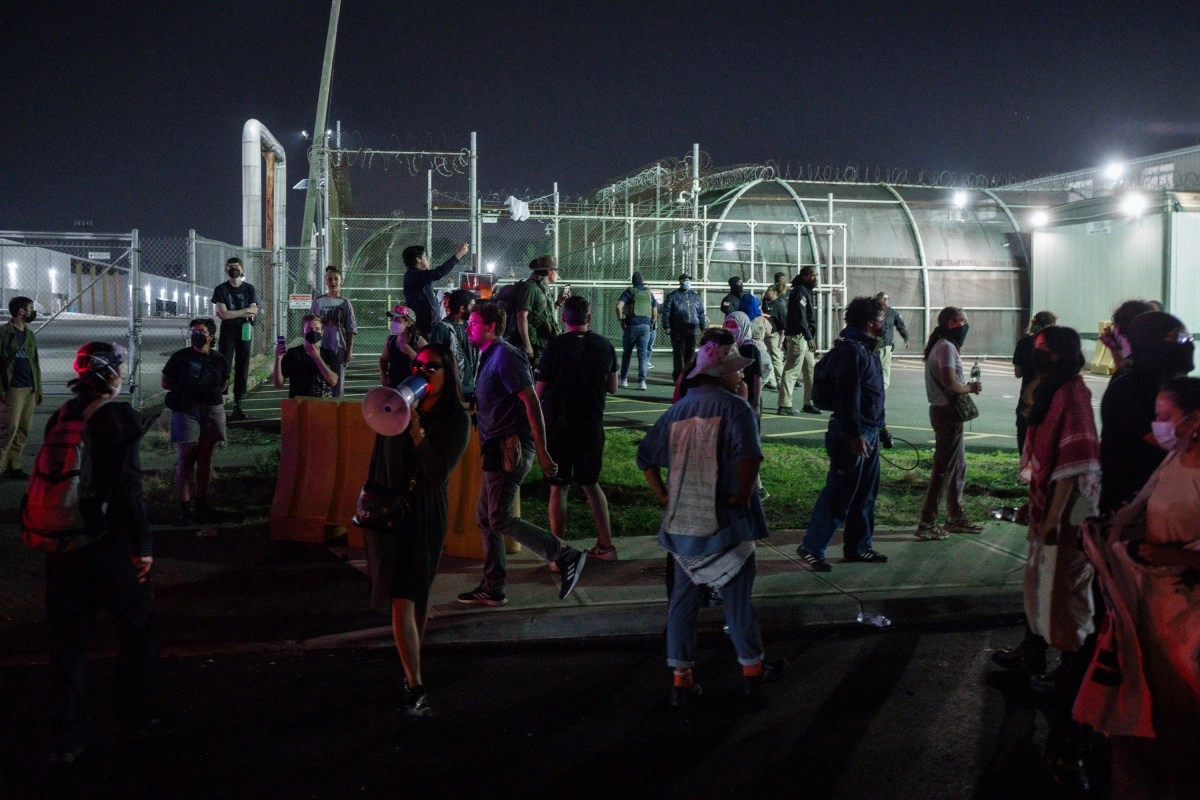

More than 300 immigrants detained in the Delaney Hall detention center concluded a hunger strike on Monday that they maintained for several weeks to demand better prison conditions.
Activists denounced that the protest ended due to alleged intimidation measures, disciplinary punishments and threats of isolation by the security personnel of the Immigration and Customs Enforcement Service (ICE) Detention Center. The demonstration began on May 22 inside the facilities managed by Geo Group, considered the largest for the detention of immigrants on the east coast of the United States, with the capacity to house 1,196 people.
They demanded better living conditions
Participants demanded a series of improvements related to food, medical care and access to drinking water. They also demanded an end to the alleged mistreatment within the center and the release of sick people and minors.
Although the detainees decided to resume their daily activities and consume food again, their demands continue to go unaddressed, according to organizations that have accompanied the protest from abroad.
Activists denounce retaliation against participants
Sally Pillay, a member of the organization Eyes on ICE, noted that many of the immigrants decided to abandon the strike for fear of being sent to isolation or facing other sanctions.
As he explained, several participants were transferred to detention centers located in different states such as Pennsylvania, Louisiana, Texas, California, Arizona and Colorado, which made it difficult to contact lawyers, family members and support networks.
The activist assured that these measures generated concern among the detainees and their families, who have remained for weeks in front of the immigration complex demanding information about their loved ones.
Restrictions on visits generate dissatisfaction
During the development of the strike, visits to immigrants were suspended. Although they were later reestablished, the new conditions limit access only to immediate family members included on lists previously authorized by the center's administration.
The visits are also carried out only twice a week and last 30 minutes in certain units.
The lack of information about these new rules caused several people to be turned away when trying to enter. During the Father's Day celebration alone, around 80 family members came to visit detainees, but around 30 were unable to access the center.
They accuse obstacles to legislative supervision
Organizations defending migrant rights also denounced restrictions on detainees being able to meet with members of the US Congress who are making supervision visits.
According to activists, immigrants must pre-sign privacy waiver documents available only in English and turn in the forms before lawmakers arrive.
For organizations, this procedure represents a barrier that could discourage complaints about conditions within the center.
Doubts persist about transferred migrants
Amy Torres, executive director of the New Jersey Alliance for Immigrant Justice, said the transfers of detainees have created uncertainty about the whereabouts of many people.
Among the cases mentioned is that of a 20-year-old young man who crossed the border two years ago and who was recently transferred without his location having been confirmed. The activist warned that there are more similar cases and expressed concern about the lack of information about the status and destination of hundreds of immigrants who have been removed from Delaney Hall in recent weeks.
The situation maintains the attention of civil and family organizations, who continue to demand transparency about the detention conditions and respect for the rights of migrants detained in the center.