

DOJ warns California it could face federal lawsuit over its “Glock-type weapons ban”
It should be noted that the law approved last October is not retroactive; that is, it does not penalize the current owners of these pistols in California
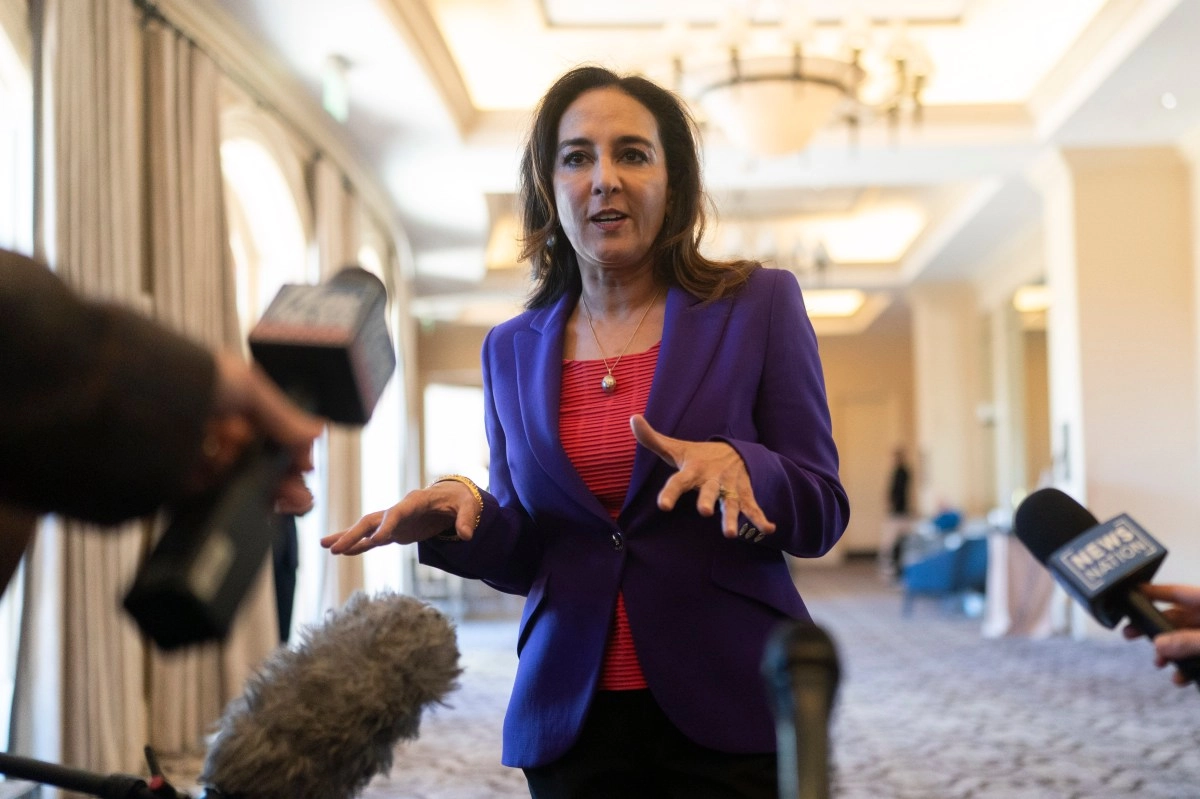

The confrontation between President Donald Trump's administration and California added a new chapter this Wednesday after the United States Department of Justice (DOJ) warned the state government that it could face a federal lawsuit for a law that restricts the sale of certain Glock-type semi-automatic pistols.
The controversy revolves around the law AB 1127, approved by the California Legislature and whose entry into force is scheduled for July 1. The measure prohibits authorized dealers from selling or transferring new handguns that can be easily converted into automatic weapons using illegal devices known as “switches.”
In a letter sent to Governor Gavin Newsom, Deputy Attorney General Harmeet K. Dhillon argued that the legislation violates rights protected by the Second Amendment of the US Constitution. “Californians have a constitutional right to acquire and use state-of-the-art handguns to protect themselves,” Dhillon wrote. The official added that citizens should not be forced to rely on older models to exercise their right to self-defense inside or outside their homes.
The communication also reports that the Department of Justice authorized the preparation of a lawsuit before a federal district court, although it left open the possibility of postponing the judicial action if state authorities agree to begin negotiations before reaching court.
California defends restrictions on convertible weapons
AB 1127 was pushed by state legislators concerned about the increase in the use of devices that allow semi-automatic pistols to be transformed into weapons capable of firing multiple rounds with a single continuous pull of the trigger. The legislation includes Glock pistols and other models with similar mechanisms that use a cruciform trigger bar. According to the promoters of the measure, this design facilitates the installation of illegal devices that quickly convert the weapon into an improvised machine gun.
Defenders of the law argue that manufacturers have known for years about the possibility of these modifications and that they have not implemented sufficient changes to prevent them. Therefore, they maintain that restricting new sales represents a preventive measure aimed at reducing the circulation of weapons that are susceptible to being altered.
However, the rule does not require current owners to surrender their weapons. People who already own pistols included in the classification will be able to keep them legally. Likewise, the legislation provides exceptions for police agencies and military forces.
The dispute between Washington and Sacramento grows
The Department of Justice gave California until 5:00 p.m. next Tuesday to accept a “voluntary resolution” that includes suspending the application of the law and recognizing its alleged unconstitutionality. In his letter, Dhillon stated that any agreement should contemplate the immediate cessation of the application of the rule and permanent guarantees to avoid future similar restrictions that, in the opinion of the federal government, affect citizens' constitutional rights.
As of press time, neither Governor Newsom's office nor California Attorney General Rob Bonta's office had issued a public response to the federal warning. The dispute previews a new legal battle between the Trump administration and California, a state that for years has maintained some of the strictest gun regulations in the country and has frequently clashed with Republican administrations on immigration, the environment, civil rights and gun control issues.
With the law's effective date approaching, the conflict could quickly move to federal courts, where it will be decided whether the restriction on Glock-style pistols can coexist with the protections of the Second Amendment.