

Advances in gene therapy to permanently reduce high cholesterol are highlighted
Cardiologists highlight the potential of this treatment as a long-term solution for patients with difficult-to-control cholesterol

A small study with 15 patients has shown that genetic modification through CRISPR-Cas9 can reduce LDL cholesterol levels by almost 50%. The results, published in the New England Journal of Medicine, pave the way for therapies that could eliminate the need for daily medication. Scientists emphasize that altering this gene could be a permanent way to reduce levels of "bad cholesterol." An average decrease of 55% in triglycerides was also observed, indicating an advance in the treatment of heart disease. Cardiologists highlight the potential of this treatment as a long-term solution for patients with difficult-to-control cholesterol, especially young patients with pre-existing heart conditions. How the procedure is performed: The genetic modification procedure is primarily performed using genetic engineering and gene-editing techniques. It can be summarized in the following basic steps: In the most modern field, gene editing with CRISPR/Cas9 stands out for its precision and versatility in modifying genes without necessarily introducing new genes, but rather by altering or regulating existing genes. This integration of techniques and equipment allows for genetic modifications for research purposes, recombinant protein production, gene therapy, and genetic improvement in various organisms.
Differences between this therapy and traditional treatments
CRISPR-Cas9 therapy for treating cholesterol uses gene editing to directly modify genes related to cholesterol regulation, such as the PCSK9 gene, which influences the degradation of LDL receptors in the liver. This technique allows for a lasting and significant reduction in LDL cholesterol (“bad cholesterol”) with a single administration, achieving reductions of over 50% that can potentially last for years or even a lifetime.eliminating the need for continuous medication. For example, recent trials in humans and primates demonstrated LDL cholesterol reductions of up to 55-69% after a single application, and this therapy seeks to correct the genetic cause of high cholesterol.
In contrast, traditional cholesterol treatments,such as statins or PCSK9 inhibitor drugs, work by the continuous administration of drugs that inhibit cholesterol production or increase its elimination, but do not alter DNA. These treatments require daily or periodic use and can have side effects or variable adherence. Cholesterol reductions with statins are usually smaller and not permanent if treatment is discontinued.
Why do they talk about “bad cholesterol”?
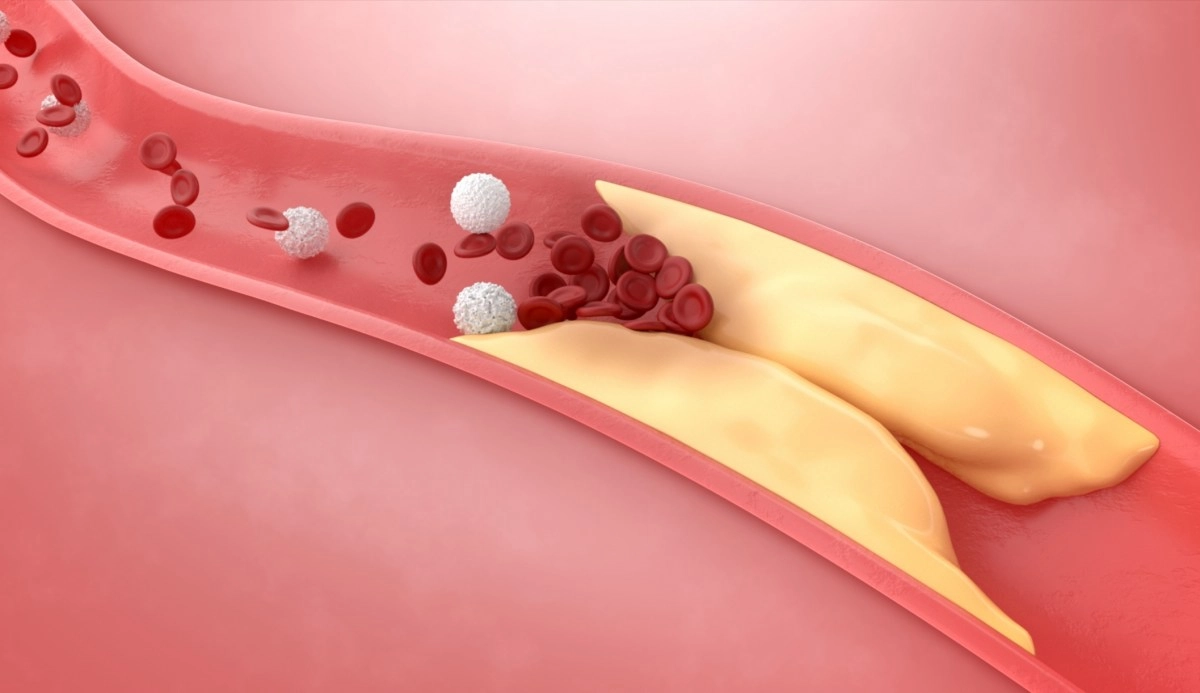
Cholesterol is called “bad” when referring to LDL (low-density lipoproteins) because this type of cholesterol can accumulate on the inner walls of the arteries. When there is too much LDL cholesterol in the blood, it can combine with fats and other substances to form a hard substance called plaque, which narrows and hardens the arteries (atherosclerosis). This reduces blood flow and can cause serious problems such as heart attacks or strokes if the plaque ruptures and clots form that block blood flow. Therefore, having high levels of LDL cholesterol is associated with an increased risk of cardiovascular disease, and the goal is to keep it low to protect heart health. In contrast, HDL cholesterol (high-density lipoprotein) is known as “good cholesterol” because it helps transport cholesterol from other parts of the body to the liver to be eliminated, reducing the risk of buildup in the arteries. Safety and future of the therapy: The study reported minimal side effects, mainly irritation at the infusion sites. However, one fatality was recorded, which researchers say is unrelated to the treatment. Phase 2 clinical trials will begin soon, followed by phase 3, with the hope of providing an affordable therapy for millions of people suffering from cholesterol problems. However, specialists caution about the importance of continuing with current treatments until the safety and efficacy of new therapies are demonstrated. You may also be interested in: Such as statins or PCSK9 inhibitors, these work by continuously administering drugs that inhibit cholesterol production or increase its elimination, but do not alter DNA. These treatments require daily or periodic use and can have side effects or variable adherence. Cholesterol reductions with statins are usually smaller and not permanent if treatment is stopped.
Why do they talk about “bad cholesterol”?
Cholesterol is called “bad” when referring to LDL (low-density lipoproteins) because this type of cholesterol can build up on the inner walls of the arteries. When there is too much LDL cholesterol in the blood, it can combine with fats and other substances to form a hard substance called plaque, which narrows and hardens the arteries (atherosclerosis). This reduces blood flow and can cause serious problems such as heart attacks or strokes if the plaque ruptures and clots form that block blood flow. Therefore, having high levels of LDL cholesterol is associated with an increased risk of cardiovascular disease,and the goal is to keep it low to protect heart health. In contrast, HDL cholesterol (high-density lipoprotein) is known as “good cholesterol” because it helps transport cholesterol from other parts of the body to the liver for elimination, reducing the risk of buildup in the arteries. Safety and future of the therapy: The study reported minimal side effects, mainly irritation at the infusion sites. However, one fatality was recorded, which researchers say was unrelated to the treatment. Phase 2 clinical trials will begin soon, followed by phase 3, with the hope of providing an affordable therapy for millions of people suffering from cholesterol problems. However, specialists warn about the importance of continuing with current treatments until the safety and efficacy of new therapies are demonstrated.