

How WRAP works, the device used by ICE to deport immigrants
Human rights advocates have expressed their concern about the situation with immigrants in the country
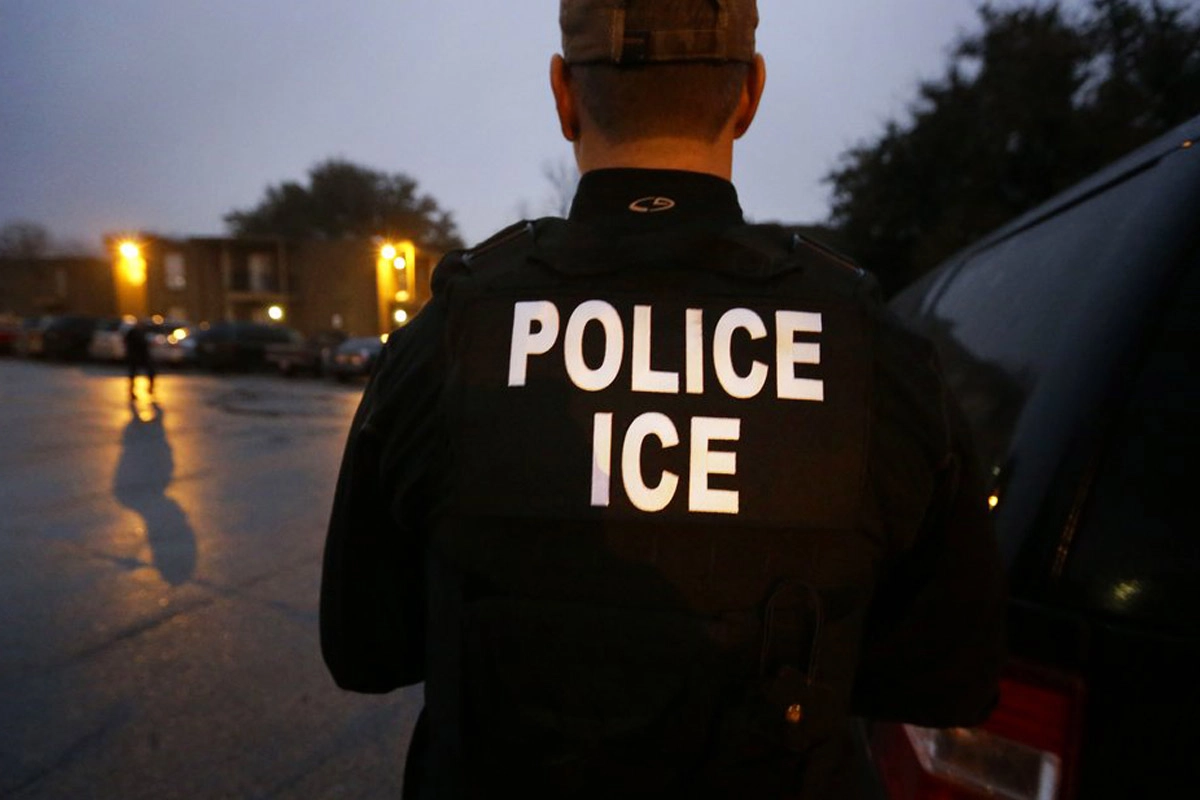

The United States Immigration and Customs Enforcement (ICE) uses a controversial body restraint device called WRAP to restrain immigrants during arrests and deportations. This tool has drawn criticism for its use on expulsion flights, even in cases where detainees were already handcuffed.
The WRAP —also known as “the bag” or “the burrito”— was originally designed to contain people who pose a risk to themselves or others, but has become a routine component of ICE immigration proceedings, reports the AP.
Five people have reported being restrained with this device on deportation flights since the Trump administration, and there are reports of its use in 2025 on at least seven migrants in various countries.
In response to the criticism, ICE maintains that the use of the WRAP follows established protocols and current legal standards. According to Tricia McLaughlin, a spokesperson for the Department of Homeland Security (DHS), the restraints used during deportation flights are "standard norms" applied to protect both detainees and ICE personnel.
Criticism and Testimonials
Some affected individuals reported that, despite being handcuffed, they were placed in the WRAP for requesting to communicate with lawyers or for expressing fear about the deportation process. One of the most documented cases is that of Juan Antonio Pineda, a Salvadoran migrant, who was tied up and transported for hours inside the device, without access to food or water, and was ultimately deported.
The use of the WRAP raises concern among experts. Law professor Fatma Marouf said tying someone up in this manner should be considered a last resort after trying less invasive measures, as it can cause significant psychological harm.
The origin of the WRAP dates back to the late 1990s as an alternative to the "hog-tie" method of restraint in California prisons. Today, it is used by more than 1,800 departments and detention centers, and its manufacturer has sold more than 10,000 units. In the immigration context, ICE indicates that the straps can be loosened to allow for basic functions such as eating or using the bathroom.
Human rights advocates are calling for stricter review of its use, greater transparency, and less aggressive protocols. For many, the WRAP is a symbol of the tensions between state security and human dignity in migration management.