

Human rights are key to peace between the US, Iran, and Israel: UN Experts
In a statement, the specialists noted that the attacks have left nearly 2,000 civilians dead, in addition to damage to hospitals, schools, and homes
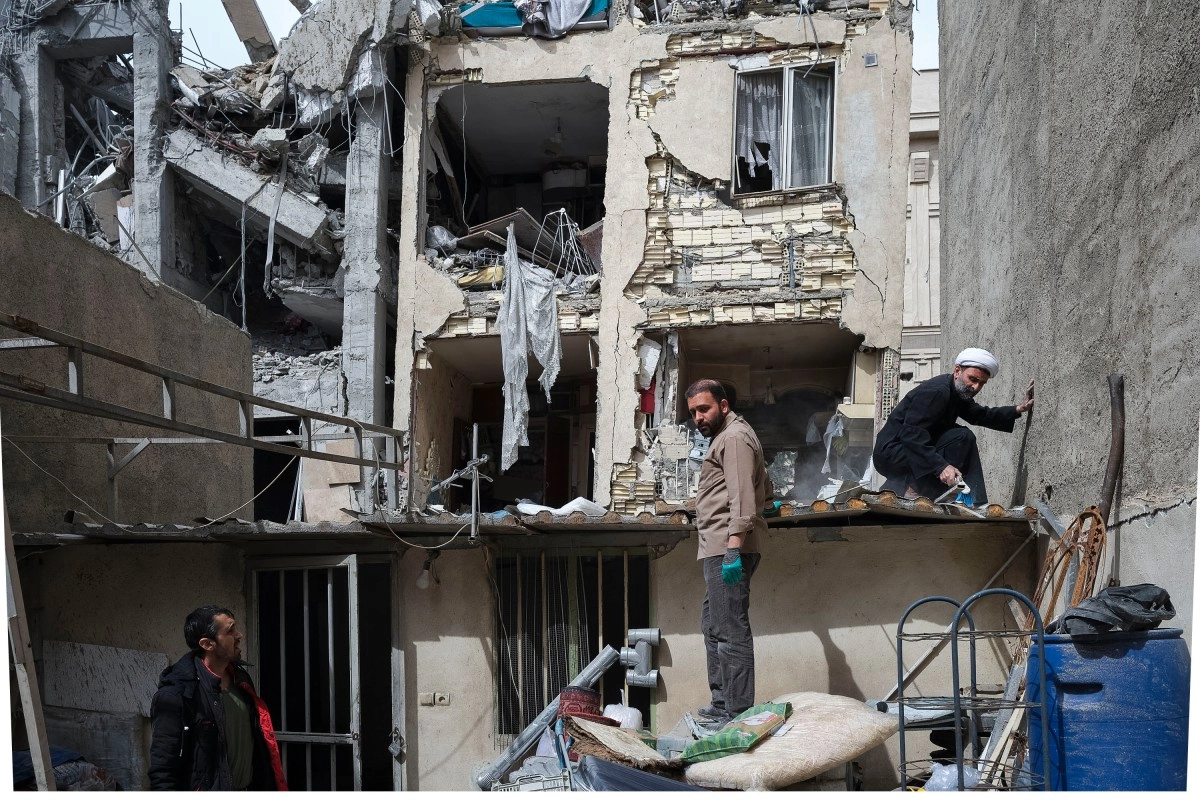

Independent experts from the United Nations (UN) warned that the human rights crisis in Iran has worsened significantly amid the military offensive launched by the United States and Israel, while stressing that any solution to the conflict must place the civilian population at the center of the negotiations.
In a joint statement, the specialists noted that the attacks have left nearly 2,000 civilians dead, in addition to damage to critical infrastructure such as hospitals, schools, homes and cultural sites. This is compounded by the internal displacement of more than three million people, many of whom have been forced to flee without access to adequate shelters or alert systems.
“The people of Iran are being attacked both from outside and from within,” they stated, referring also to the deteriorating internal conditions, marked by political repression, restrictions on civil liberties, and an increase in executions.
Executions and Repression Amid the Conflict
Experts condemned the execution of at least three people in the city of Qom, linked to the nationwide protests that began in December 2025. They denounced these cases as reflecting a worrying pattern of using the death penalty to silence dissent.
“We have crossed a critical threshold,” they warned, cautioning that these executions may not be the last. They also expressed concern about other recent cases, including convictions on charges of espionage or rebellion, in trials that they claim are riddled with irregularities. According to the experts, the current situation reflects a persistent trend of human rights violations, including the shrinking of civic space, discrimination against women and girls, and poor prison conditions. They also noted that internet access has remained restricted for more than a month, isolating the population and impacting the economy.
Without human rights there will be no lasting peace
Experts stressed that the armed conflict has intensified these problems, but insisted that the crisis did not begin with the bombings nor will it automatically end with the cessation of hostilities.
They also warned that some retaliatory military actions by Iran could exceed the right to self-defense enshrined in the UN Charter, increasing the risk to regional stability.
In this context, they called for any diplomatic process to include the participation of Iranian society.
They recalled that millions of people have taken to the streets in recent years to demand structural changes, and therefore their demands must be considered. Among the urgent measures, the specialists highlighted the release of arbitrarily detained individuals, the restoration of internet access, accountability for violations committed by all parties, and the protection of the civilian population. “Ending the war is urgent, but not sufficient,” they concluded. In their view, lasting peace will only be possible if human rights violations are addressed at their root and the participation of the Iranian people in building their future is guaranteed.