

Impact of black cumin in the fight against fat and high cholesterol
Its oil is also known for its high antioxidant content and its use in reducing inflammation
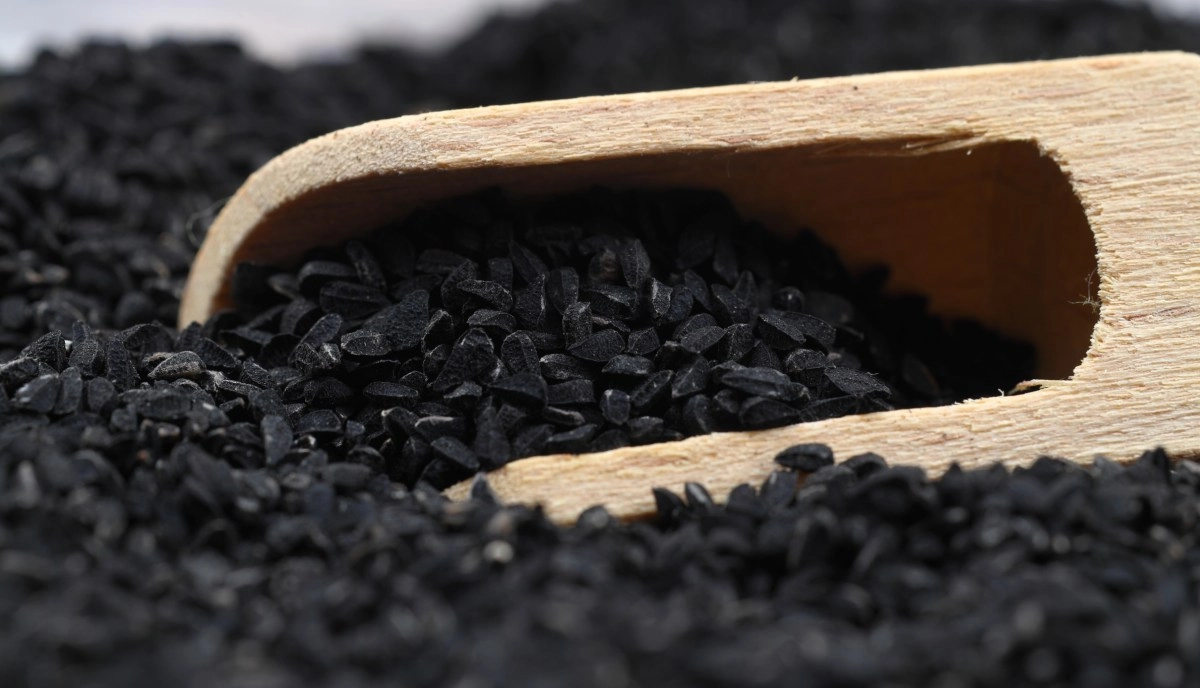

Recent research has shown that black cumin, also known as Nigella sativa, kalonji, or black seeds, can reduce LDL (bad) cholesterol and increase HDL (good) cholesterol, contributing to better cardiovascular health.
A clinical trial conducted in Japan concluded that daily consumption of 5 grams of black seed powder for eight weeks produced a significant decrease in triglycerides and total cholesterol.
Potential Benefits
Black cumin not only has properties to improve cholesterol levels, but its oil is known for its high antioxidant content and its use in reducing inflammation.
Black seed oil is marketed as a supplement that supports immunity and digestive health, as well as contributing to weight management.
Not Just “One Seed” Is Enough
While the results demonstrate potential, experts suggest that long-term research is needed to better understand the effects of black cumin and its role in metabolic health.
Nutritionists, such as Theresa Link, a registered dietitian at Virta Health in Nebraska, interviewed by Fox News Digital, They caution that, while black cumin can be beneficial, it is not a "miracle cure" on its own. A focus on a healthy lifestyle remains fundamental for weight management and overall health.
Incorporating into the daily diet
Black cumin is effectively incorporated into the daily diet by taking 1-2 grams (approximately ¼ to ½ teaspoon) of ground or whole seeds, or 1-2 ml of oil, preferably on an empty stomach or with meals to maximize benefits such as improved digestion and blood sugar control.
Consume consistently for 8 weeks for noticeable effects on cholesterol and weight, but consult a doctor if you are taking medication, as high doses may cause stomach upset.
Black Cumin vs. Supplements
Here are some points of comparison between black cumin and other cardiovascular health supplements: