

Iran accuses the US of breaking the peace memorandum after attacks against its coasts
Tehran maintains that Washington breached the agreement and defends its military response as legitimate defense
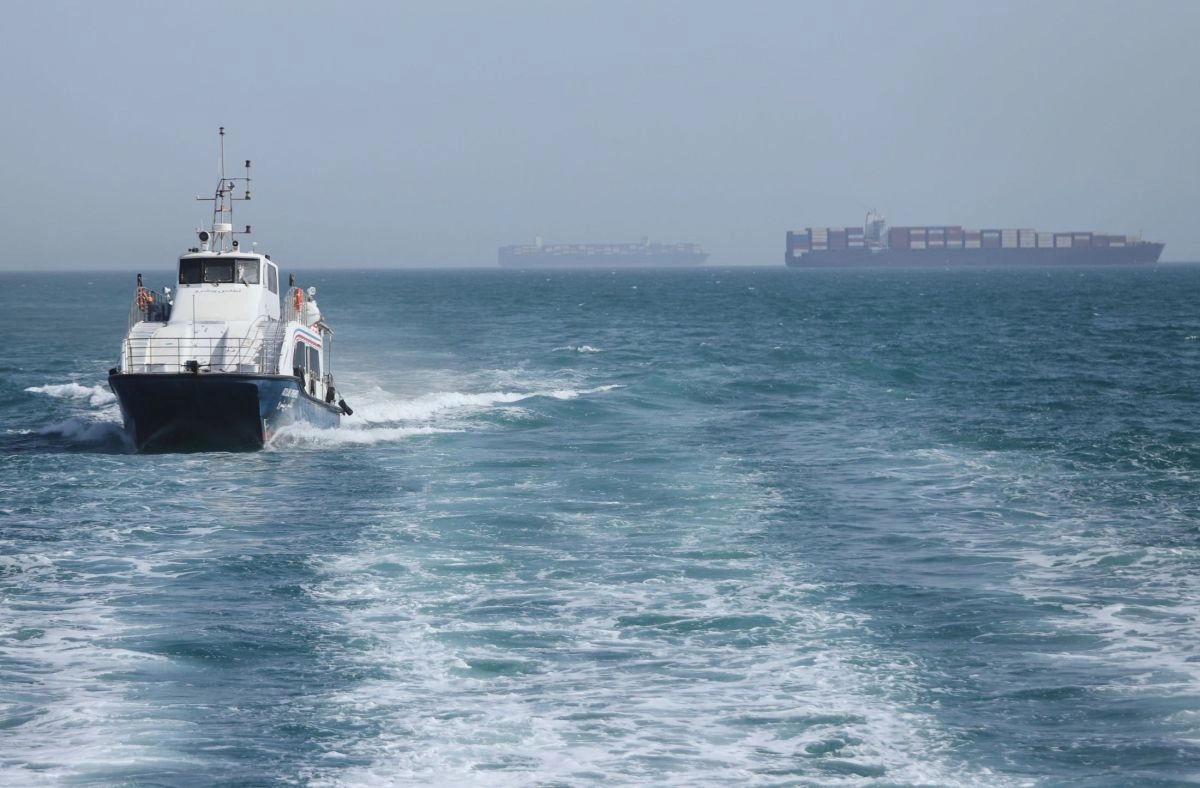

This Saturday, Iran accused the United States of violating the memorandum of understanding signed between both countries to end the war after its attacks against the Iranian coast, and justified Tehran's subsequent response against American targets as an act of "legitimate defense."
“These savage attacks, which targeted Iranian coastal surveillance facilities, constitute a flagrant violation of Article 2 (4) of the Charter of the United Nations and an express violation of the first clause of the memorandum of understanding for the end of the war,” denounced the Iranian Ministry of Foreign Affairs in a statement.
Tehran defends its military response and blames Washington
By condemning the bombings launched by the US Army on Friday night against several points on the southern coast of Iran, the diplomatic establishment assured that "the Islamic Republic of Iran will defend with all its means the sovereignty, security and national interests of the country."
The ministry thus defended the attacks subsequently launched by the Revolutionary Guard Navy against targets linked to US troops in the Strait of Hormuz area.
In addition, he held the US responsible for the consequences of the current escalation and warned that countries that collaborate with US military operations against Iranian territory will also be responsible.
Likewise, he asked the Secretary General of the UN, António Guterres, the United Nations Security Council and the rest of the international organizations not to remain “indifferent” in the face of what he described as serious violations of the United Nations Charter and international law by the United States.
The US Army bombed Iranian military installations last night in retaliation for the attack launched by Tehran on Thursday against the Singapore-flagged merchant ship M/V Ever Lovely as it left the Strait of Hormuz.
Washington maintained that this Iranian action violated the ceasefire and put freedom of navigation at risk in one of the world's main energy routes.