

Iran claims it attacked US positions and raises tension in the Strait of Hormuz
Revolutionary Guard says it responded to US bombings as tensions rise in the Middle East
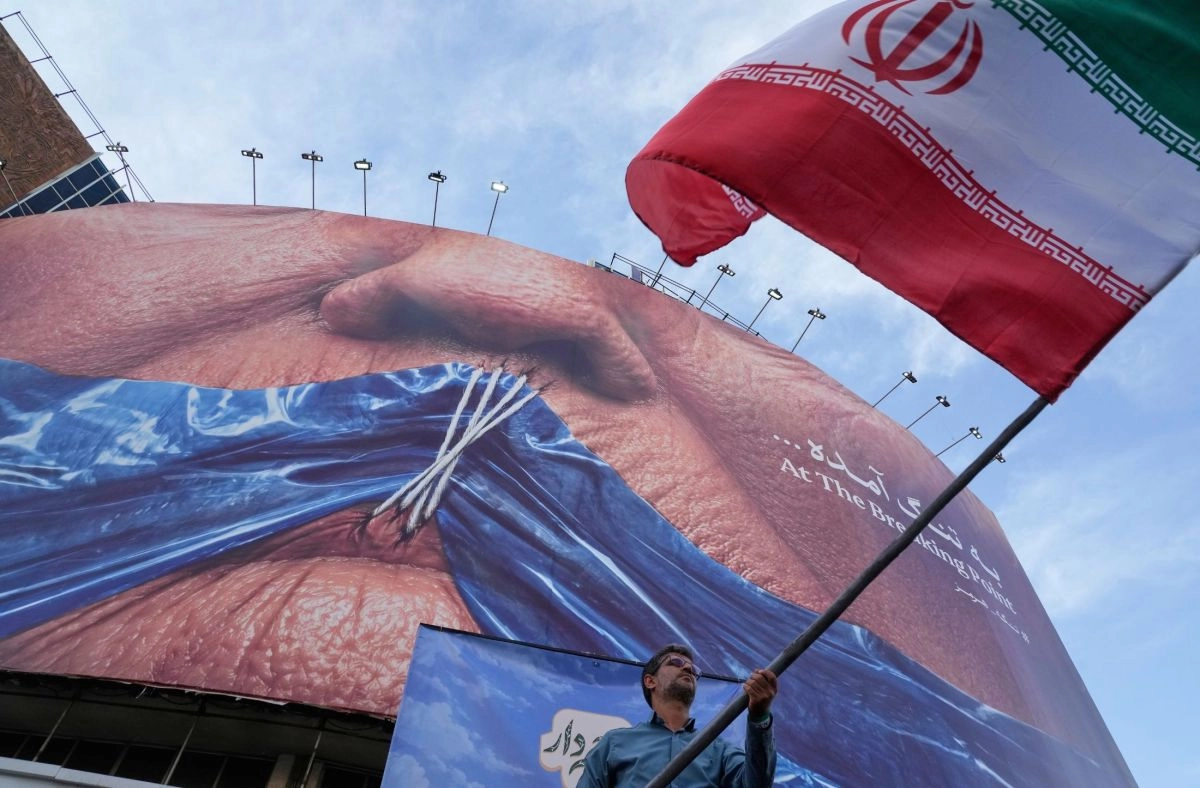

The Iranian Revolutionary Guard said this Saturday that it attacked positions of US forces near the Strait of Hormuz, which has triggered tensions in the area amid efforts for a final peace agreement.
“The Revolutionary Guard Navy responded to this aggression by attacking positions where the forces of the terrorist Army of the United States are deployed,” the elite military body announced in a statement collected by the Tasnim agency.
Tension escalates between Iran and the United States after new attacks
The Revolutionary Guard denounced that Washington violated the memorandum of understanding signed on June 17 between both parties to end the war and reopen the Strait of Hormuz, after which they have entered into negotiations to reach a definitive peace agreement that includes the Iranian nuclear program.
The US military bombed Iranian military facilities on the country's southern coast on Friday night in retaliation for Tehran's attack on Thursday against the Singapore-flagged merchant ship M/V Ever Lovely as it left the Strait of Hormuz off the coast of Oman.
The Revolutionary Guard assured that the Iranian offensive on Thursday was due to the ship sailing on an unauthorized route in the Strait of Hormuz.
"In accordance with clause 5 of the Islamabad memorandum of understanding, the organization and control of transit in the Strait of Hormuz corresponds to the Islamic Republic of Iran. However, the United States tried to breach that commitment through various provocations, for which it received the corresponding response," said the military body, which warned the US that in the event of a new aggression its response "will be broader."
Iran's attack on the merchant ship on Thursday was the first recorded military action in the area since the signing of the memorandum, which, according to the US Central Command (Centcom), "clearly violated the ceasefire" and "undermined freedom of navigation" in the strategic Strait of Hormuz.