

NATO assures that withdrawal of 5,000 US troops in Europe does not weaken defense capacity
According to NATO data, European military spending reached record levels in 2025, one of Donald Trump's demands
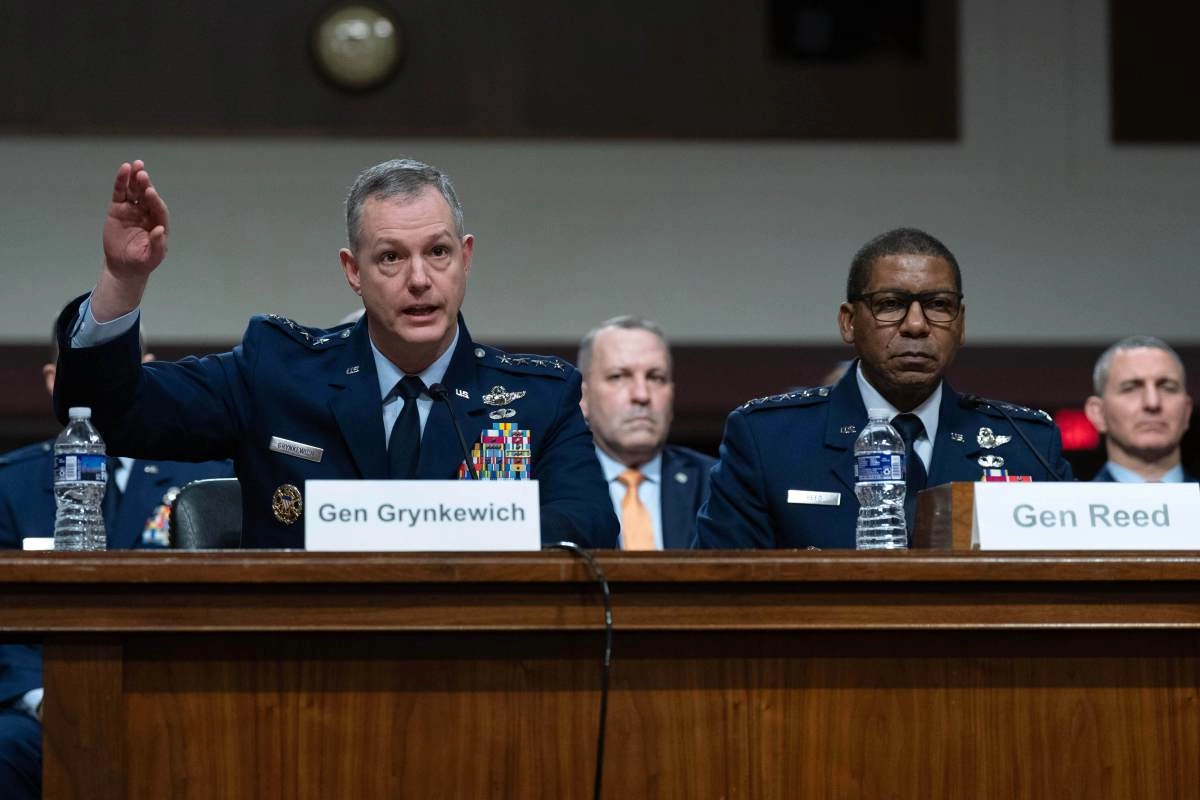

The military chiefs of the North Atlantic Treaty Organization (NATO) assured this Tuesday that the withdrawal of 5,000 US troops from Europe will not compromise the defense or deterrence capacity of the military alliance, in the midst of a strategic reorganization promoted by the administration of President Donald Trump.
During a meeting of the NATO Military Committee in Brussels, the Supreme Allied Commander in Europe (SACEUR), US General Alexus G. Grynkewich, stated that Washington's decision to withdraw an armored brigade deployed in Germany "does not affect the viability of the organization's regional plans."
“Strengthening the European pillar of the alliance allows the United States to gradually reduce its military presence and focus on critical capabilities that allies cannot yet provide,” Grynkewich explained.
The troop departure was revealed on May 1 and contemplates the withdrawal of approximately 5,000 troops stationed in Germany, including elements of an armored brigade and a long-range fire battalion whose deployment will ultimately not take place.
The decision is part of the new National Defense Strategy promoted by Trump, focused on redeploying US military resources towards other global priorities, particularly in the Indo-Pacific and in the face of the military rise of China.
The measure was also interpreted politically as a response to the tensions between Trump and the German Chancellor, Friedrich Merz, who weeks ago harshly criticized the American president after the negotiations with Iran. German and American media indicated that Trump considered Merz's statements as a "disrespect" toward Washington.
Despite the American withdrawal, NATO insisted that Europe has significantly increased its military capabilities since the Russian invasion of Ukraine in 2022. Grynkewich highlighted that countries such as Poland, Estonia, Latvia and Lithuania have substantially increased their defense spending and land capabilities.