

How public charter schools help students develop confidence, leadership, and real-life skills
Public charter schools help young people develop confidence, discover purpose, and prepare for the future

When families choose a school, they think about much more than academics and graduation.
They think about who their children will become.
Will they have the confidence to participate and express themselves in class? Will they discover talents they didn't know they had? Will they graduate with practical skills and a clear vision about their future?
Across California, public charter schools are helping students prepare not only for graduation, but also for real life. Through career readiness programs, bilingual education, social-emotional learning, arts, and leadership opportunities, these schools create environments where students can grow academically while developing confidence, communication skills, and a stronger sense of purpose.
For some students, that preparation begins with helping them find their voice.
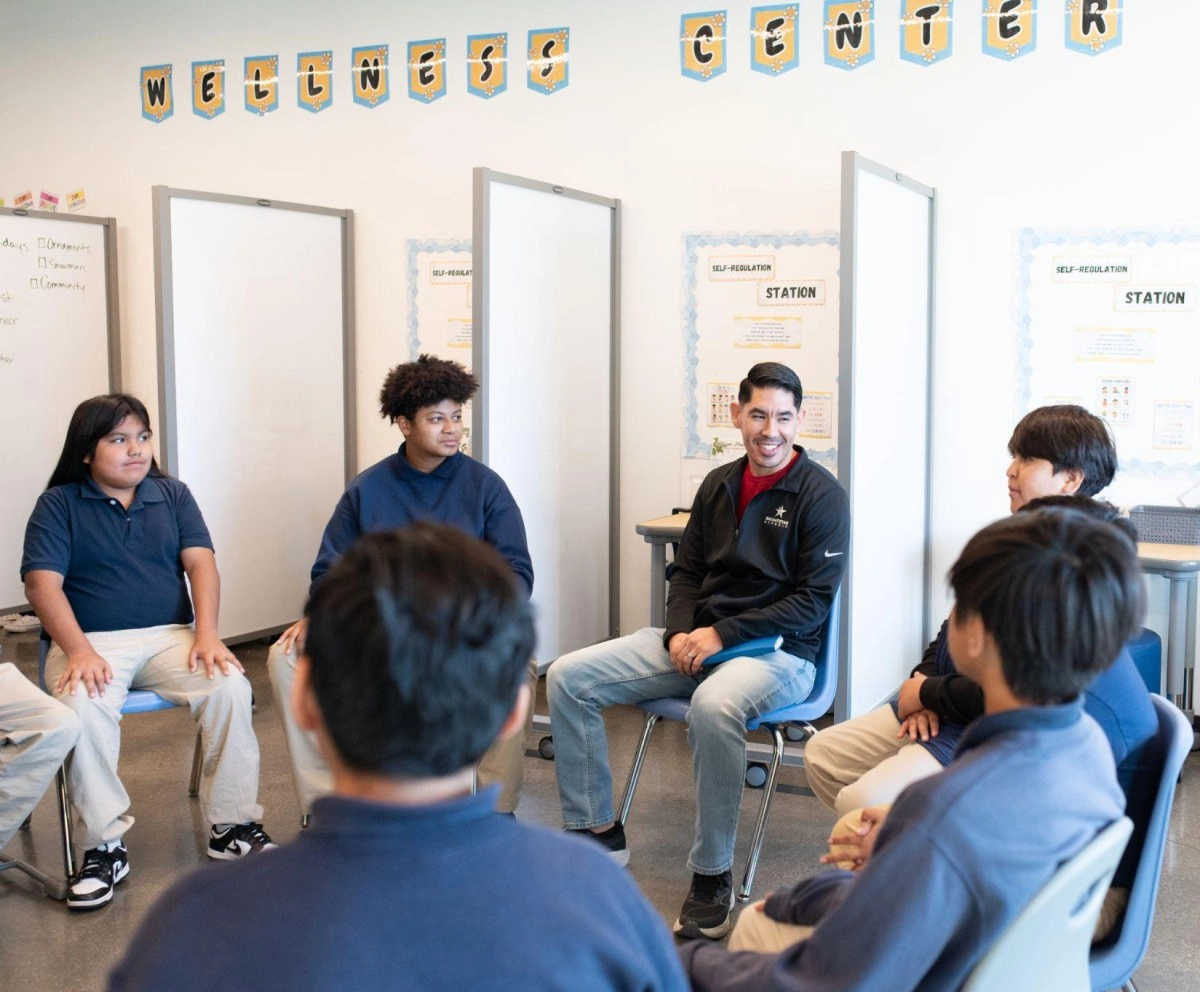
At Bright Star Schools in Los Angeles, educators strive to create supportive environments where students and families feel seen, heard, and connected. For example, through its Compass program, Stella Middle Academy—part of Bright Star Schools—integrates social-emotional learning with counseling, mental health and wellness services. Additionally, partnerships with various organizations provide families with access to free eye exams, eyeglasses, and expanded after-school programs. For many parents, this sense of belonging is as important as academic instruction. When students receive emotional and social support, they often feel more motivated to participate, take on leadership roles, and challenge themselves in new ways.
Charter schools in other parts of the state focus on exposing students to careers they may never have imagined for themselves.
Bilingual education also plays an important role in preparing students for the future.
In a state as diverse and multicultural as California, being bilingual is not only a personal advantage, but also a professional one. Schools that prioritize bilingual learning help students strengthen their communication skills while honoring the cultures and identities of the families they serve. For many children, language becomes a bridge between generations, communities and future opportunities.
The arts are another powerful tool to help students develop confidence and leadership. Whether through music, theater, dance, or visual arts, students learn to express themselves creatively, collaborate with others, and develop discipline and perseverance. These experiences can shape the way young people see themselves and what they believe is possible for their future.
Many public charter schools are also incorporating entrepreneurship and project-based learning into the classroom. Students are encouraged to problem solve, think critically, work as a team, and present their ideas with confidence. These are skills that will serve them well after finishing school.
Families across California want schools that prepare students for the realities of adult life while fostering their creativity, identity and potential.
That preparation cannot be measured solely with standardized tests.
It is reflected in the student who discovers a passion for health care. In the child who gains confidence by performing on stage. In the teenager who learns to lead a project or speak proudly in two languages. And in families who see their children grow not only as students, but as capable and self-confident young people, ready to face the world that awaits them.
Across California, public charter schools are demonstrating what is possible when education focuses not only on academics, but also on helping young people develop confidence, discover purpose, and prepare for the future.
(*) Myrna Castrejón is the president and CEO of the California Charter School Association (CCSA).