

People with tourist visas face more questions when entering the United States
It is important to have your return tickets and the address of your destination on hand to avoid problems and save moments of tension
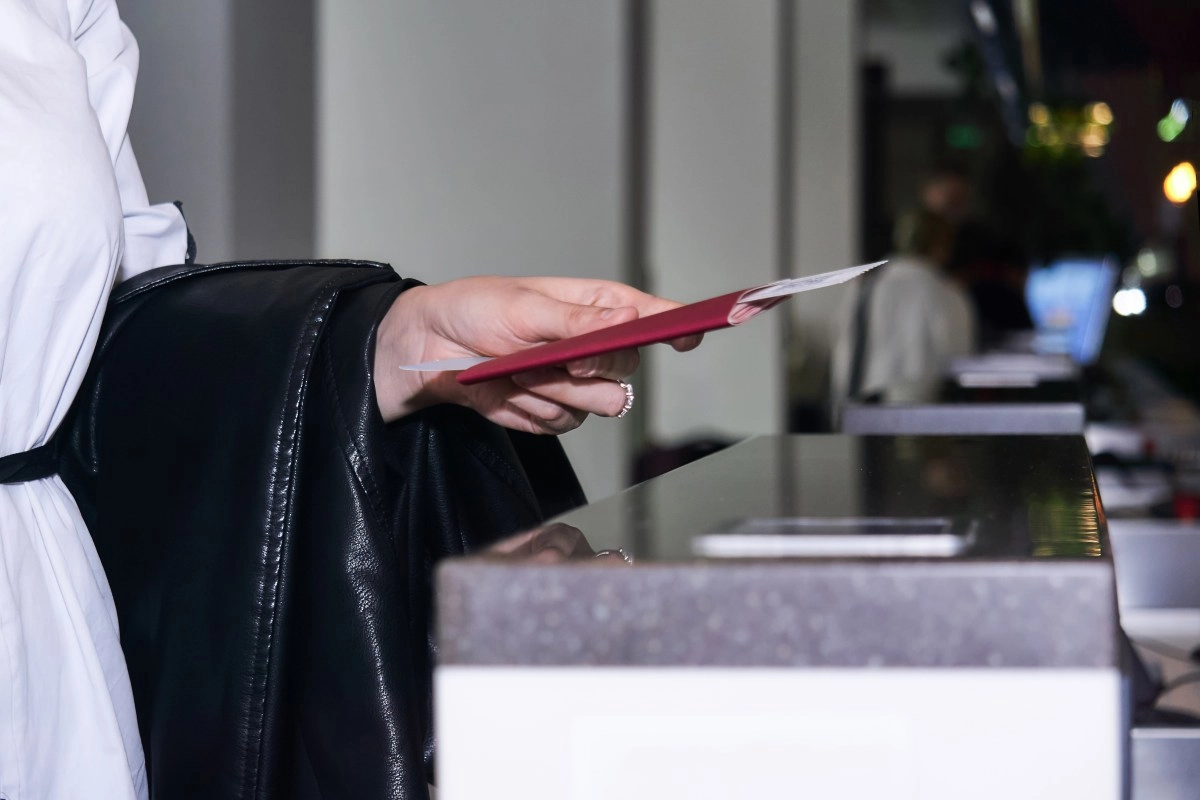

Luis Garcia, his wife, and their 17-year-old son arrived in Los Angeles from Mexico ready to enjoy a few days of vacation, but unlike other trips they have taken in recent years, this time when passing through the immigration control counter, they were asked for more precise information about their place of stay and their return to their country.
“We were struck by how much Immigration officials were asking us questions They were emphatic in asking us for the information. Before, the questions were more general. This time they wanted the exact address of where we were going to arrive. they weren't nervous.”
However, he says it was impossible not to get in front of the immigration officer.
“He asked us when we were returning, I answered November 18th, and he asked me to show him the return tickets. They hadn't asked for them before, and it took me a few minutes to find them on my phone. It was a tense moment because I was so nervous I couldn't find them.”
Luis, who has traveled to the United States for vacation about five times in the last eight years, says that the requirement regarding their accommodations and the return ticket were the main differences this time.
And once on the street, he says that if they drove more cautiously than on other trips and decided to keep their visas and passports handy, but with the fear that they might be confiscated. "In Mexico, there is a lot of fear about visiting because of ICE (Immigration and Customs Enforcement). You come with a lot of precautions."
Cuca and Arturo's Experience
Cuca Ortiz, 78, and her husband, Arturo Rodriguez, 84,arrived in Los Angeles from Mexico City on December 5 to spend Christmas with their daughter and family.
“I was a little more nervous than usual because of all the news about what's happening in the United States, but I was pleasantly surprised. Our passage through Immigration was very quick and without any problems,” she says.
Something that helped them a lot was that Cuca requested a wheelchair for her husband, and the person who assisted them then took them through a faster-moving immigration line.
“The officer asked us when we were returning, and I told him December 27. He also asked for the address where we were going to stay. They didn't ask us to show our return tickets. But they always ask for the address and return date. It's nothing new.”
The airport employee who helped them with the wheelchair made a big difference during their immigration experience.
“My parents had a very imposing immigration officer, and when he told my mom to look at the camera for the photo, she got a little nervous; she didn't understand. It was the young man who was helping them with the wheelchair who explained what she had to do. When the officer asked which area they were going to, my mom said Van Nuys, but she didn't pronounce it correctly, and the officer corrected her,” explains Liliana Escudero, daughter of Cuca and Arturo.
Cuca says that not speaking fluent English always makes her tense when she arrives at the immigration checkpoint.
Entry into the United States for travelers from certain countries could become more difficult, as US Customs and Border Protection has proposed a series of changes to its current entry and exit protocols for citizens foreigners.
These changes include a requirement that business travelers and tourists entering the United States from Visa Waiver Program countries provide their social media activity from the past five years through the Electronic System for Travel Authorization, which would allow Customs and Border Protection to access posts and other personal information.
“This isn't new to us, because ever since we applied for a tourist visa, they've asked us to put that information on the application,” says Luis.
The new conditions are open for public comment and review for 60 days before taking effect.
The proposed measure applies to citizens of the 42 countries that are part of the Visa Waiver Program and who currently do not require visas for tourism or business visits to the United States.
These foreign nationals would now have to present five years of social media activity to be considered for entry. They would also have to provide the email addresses they have used over the past ten years,as well as the phone numbers and home addresses of their immediate family members; and IP addresses and metadata of electronically submitted photos could be examined.