

The crisis tightens: fewer Americans enroll in health insurance due to rising costs
Approximately 22.8 million people have selected an ACA plan, the first decline in four years at this point in the enrollment period
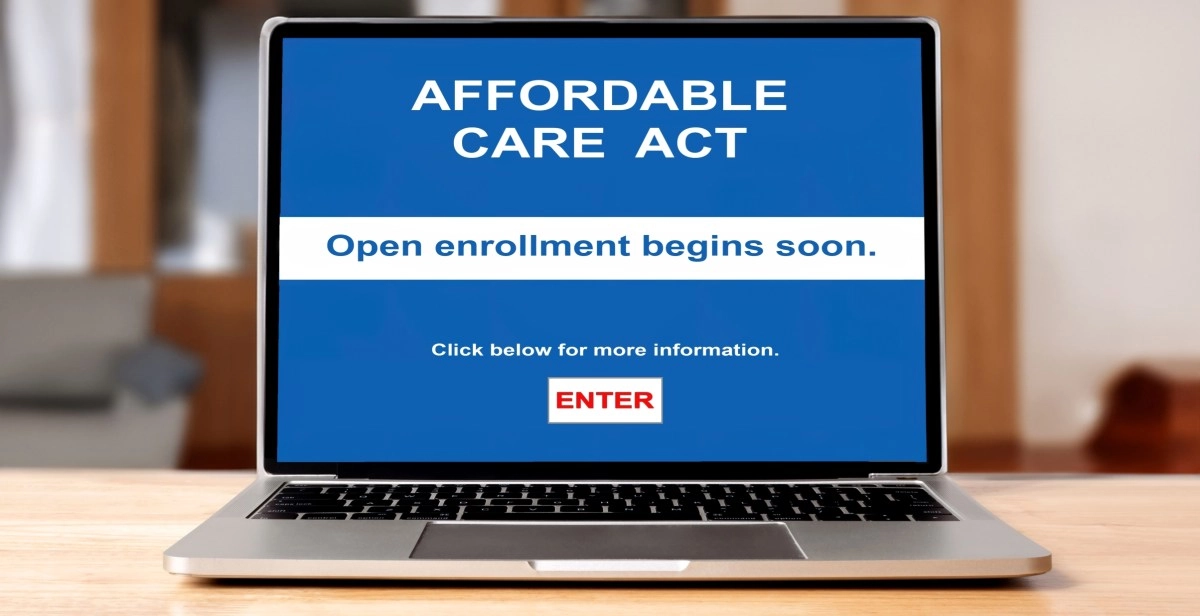

This year, approximately 800,000 fewer Americans have enrolled in health insurance plans under the Affordable Care Act (ACA), representing a 3.5% drop compared to the previous year. This decline includes both new consumers and existing enrollees who have not renewed their plans.
Experts warn that the expiration of enhanced tax credits could result in a further decline in enrollment as consumers face higher health care costs.
Approximately 22.8 million people have selected an ACA plan, the first decline in four years at this point in the enrollment period.
Debates over subsidies and the search for alternatives
Congress is currently engaged in a heated debate over extending subsidies. The House of Representatives passed legislation to extend these credits for three years, which is now in the Senate, where a bipartisan compromise is being sought. As more Americans choose not to renew their coverage, some are turning to alternative options, such as employer health plans or Medicaid. Others are prepared to face the full cost of health care, worried about potentially high out-of-pocket expenses in the event of illness or accident. “I’m almost going to be without health insurance unless they do something,” Felicia Persaud, a 52-year-old Florida businesswoman who canceled her coverage when she saw her monthly ACA costs would increase by about $200 a month, told the AP.“It’s like playing poker and waiting for the chips to fall and trying your best,” he added.
Public Health. Medicaid offers free or low-cost coverage to individuals and families with limited incomes, varying by state; check eligibility with your local state. The CHIP Program also covers children and teens up to age 19 in moderate-income households who do not qualify for Medicaid. People with disabilities may also be able to access Medicare or Medicaid combined by contacting the Social Security Administration.
ACA Marketplace Plans. Although costs are higher, many qualify for income-based premium subsidies, reducing monthly premiums to zero or near zero at HealthCare.gov. Cost-sharing (silver or bronze) plans lower deductibles for those who pass the open enrollment period or have qualifying events.
Other Options. Short-term insurance acts as a temporary bridge, although it does not meet all ACA standards. Community clinics and local pharmacies offer free or low-cost care; Find them at findahealthcenter.hrsa.gov. COBRA allows you to continue your previous work plan, but marketplace alternatives are often cheaper for the unemployed.
Healthcare Cost Adjustments
Healthcare costs are adjusting upward in several health systems due to declining enrollments, resulting in lower revenue per insured and forcing increases in premiums and deductibles.
In programs like Medicare and Obamacare by 2026, this is reflected in projected increases of 12% in Medicare Part B premiums (from $185 to $206) and up to 26% in ACA marketplace premiums due to the expiration of enhanced subsidies. Although some average Medicare Advantage and Part D premiums are decreasing slightly (from $16 to $14 and from $38 to $34, respectively), the reduced supply of plans (from 464 to 360 in Part D) concentrates risks and raises costs for the remaining beneficiaries.
Changes to Medicare. It faces cuts in options and benefits by 2026, with experts recommending comparing plans to mitigate impacts, as 81% of users depend on prescription drug coverage. Federal negotiations could lower prices for 10 key drugs by up to 79%, but reductions in coverage lists increase expenses for specialty medications.
Impact of Obamacare. The expiration of federal subsidies in the ACA is causing drastic premium increases for the 93% of enrollees who receive tax credits, affecting middle-income families. This coincides with lower projected enrollment, exacerbating the pressure on costs per insured.
Adjustment strategies. Systems respond with technologies such as telemedicine and AI to reduce inefficiencies,in addition to group buying and a focus on value-based reimbursement to curb operating expenses.
You may also be interested in: