

GHOST Unveiled: Air Force’s Futuristic Stealth Drone Sets New Standard for Range and Technology
Discover everything about GHOST the Air Force’s revolutionary new stealth drone with unmatched range and cutting-edge surveillance capabilities.
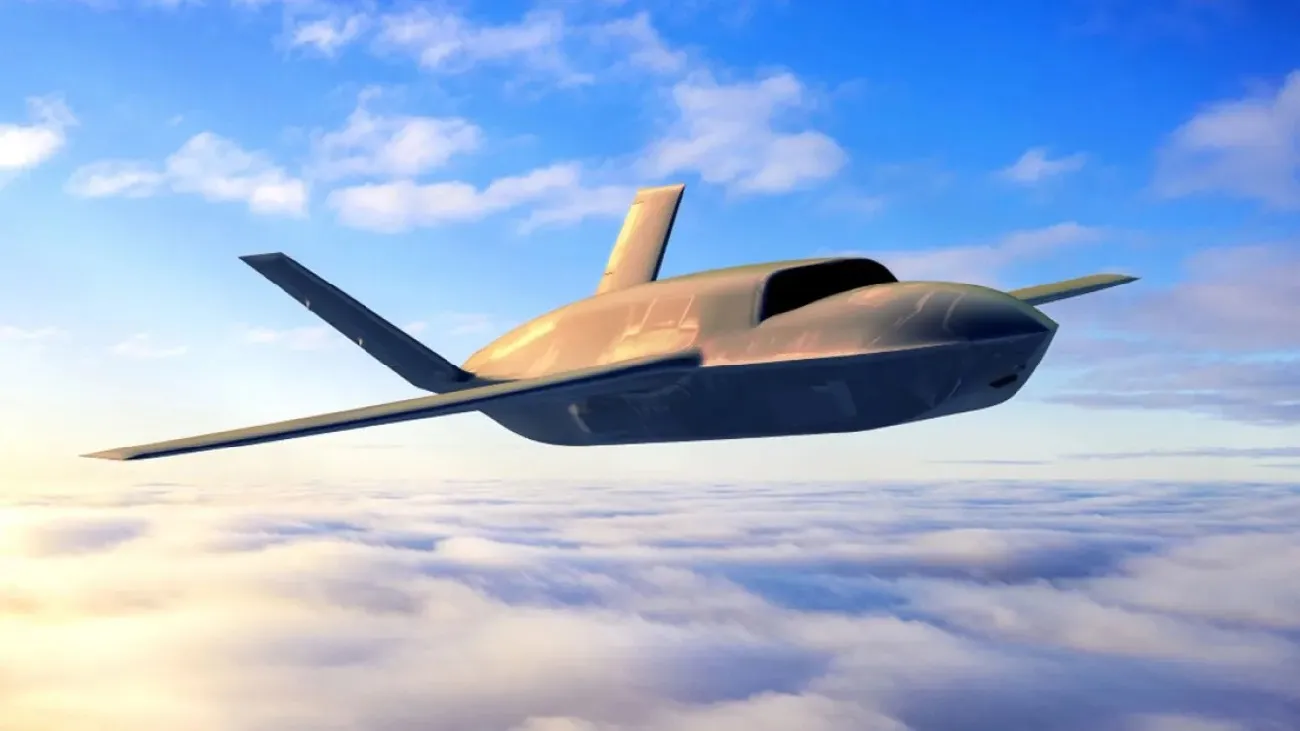

A Glimpse into the Future of Aerial Warfare
In a major leap toward redefining military surveillance and reconnaissance, the Air Force has introduced its newest unmanned aerial marvel the GHOST drone. This futuristic UAV (Unmanned Aerial Vehicle) boasts stealth technology, unprecedented flight range, and intelligence-gathering abilities that are making defense analysts across the globe sit up and take notice.
Designed to operate in some of the most challenging environments while remaining virtually undetectable, GHOST marks a technological milestone not only for the U.S. Air Force but also for the global drone warfare landscape.
Breaking Down the GHOST’s Advanced Capabilities
What truly sets GHOST apart is its integration of stealth technology that significantly reduces its radar signature. Unlike earlier UAVs that could still be tracked with high-end systems, GHOST is reportedly capable of flying through contested airspaces with a low probability of detection a critical advantage in modern electronic warfare.
Complementing its stealth profile is its record-breaking operational range, allowing it to fly thousands of miles without requiring mid-air refueling. This extended range not only ensures strategic depth but also expands its tactical versatility across diverse terrains and missions.
Built for Precision: Surveillance and Intelligence Like Never Before
One of GHOST’s strongest features is its intelligent surveillance suite, built to offer real-time video feeds, infrared imaging, and radar mapping at incredibly high resolutions. Equipped with autonomous decision-making algorithms, GHOST can independently assess terrain, track targets, and even make dynamic flight path adjustments based on mission conditions.
These features make it an ideal fit not only for battlefield reconnaissance but also for intelligence gathering during peacetime missions or monitoring sensitive border zones.
Modular Design and Payload Flexibility
The GHOST drone’s modular frame offers flexible payload options. This allows for the integration of weapons systems, extra fuel tanks, or specialized sensor arrays depending on the mission. Its build reflects a shift in military aviation: toward customizable, reusable, and intelligent systems that adapt on the fly.
For commanders in charge of real-time mission planning, this kind of flexibility is not just useful it’s game-changing.
Strategic Implications and Global Response
The unveiling of GHOST has understandably triggered a global response. While some U.S. allies have expressed admiration for the technological leap, defense commentators from rival states have raised concerns about what they call a growing asymmetry in drone warfare.
Several defense experts believe that GHOST may shift power dynamics in regions with contested airspace. With its stealth and endurance, GHOST could theoretically loiter over sensitive zones for hours or even days, gathering invaluable intel or supporting long-duration special ops missions.
Human Oversight in an Autonomous Age
While GHOST features cutting-edge AI systems, military officials have emphasized that human oversight remains crucial. The drone’s AI acts as an assistant, helping with navigation and threat analysis, but key decisions especially those involving potential strikes will continue to be made by trained operators.
This balance between machine autonomy and human command ensures operational accountability and limits the ethical concerns that often surround combat drones.
From Concept to Sky: The Journey of GHOST
The GHOST program has been in quiet development for several years. It was the brainchild of a collaboration between the Department of Defense, several top aerospace companies, and university-led research teams. Early field tests were conducted in desert regions and arctic zones to simulate extreme operational conditions.
After rigorous testing and refinement, the Air Force is now preparing to integrate GHOST into active service by late 2025.
What GHOST Means for the Future of Defense Technology
GHOST isn’t just another drone it’s a symbol of what the future of warfare may look like. Silent, efficient, and smart, it embodies the evolution of unmanned systems from support roles into front-line assets. Its successful deployment could pave the way for a new generation of aerial systems where intelligence, stealth, and precision merge seamlessly.
A Phantom Presence with Real-World Impact
As defense strategies become more dependent on information dominance, platforms like GHOST will likely form the backbone of next-gen operations. It delivers on all fronts range, invisibility, adaptability, and data supremacy without compromising on safety or control.
In the years to come, GHOST may very well be remembered as the drone that reshaped how nations approach reconnaissance, engagement, and deterrence.