

De minimis tariffs impact international postal services to the US.
The White House says carriers used low-value packages to import illicit substances
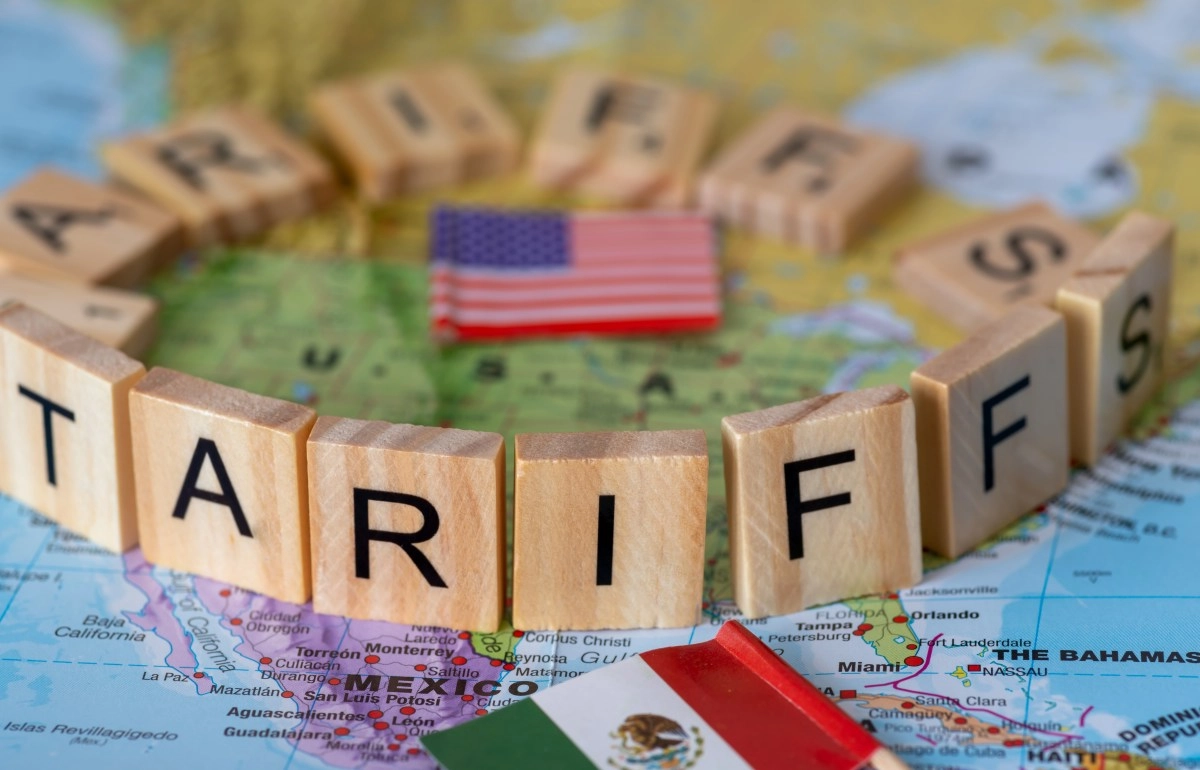

The end of the de minimis exemption, which allowed international postal services to send goods valued at less than $800 to the United States without the imposition of tariffs, will take effect on August 29.
As the date approaches, postal service companies in Europe and Asia have already declared that they plan to stop sending goods to United States. “Deutsche Post and DHL Parcel Germany will no longer be able to accept and transport parcels and postal items containing goods from commercial customers destined for the United States with immediate effect,” DHL, Europe’s largest shipping provider, said in a statement. Thailand Post stated that “this suspension underscores the profound disruption caused by President Trump’s decision to remove the de minimis threshold, which previously allowed low-value parcels to enter the United States duty-free. The exemption, capped at US$800 per person per day, facilitated the seamless entry into the United States of millions of small parcels from around the world.” However, the US president’s decision is linked to the fight against fentanyl and other illicit drugs that also enter the country through these shipments. Postal services in countries such as Denmark, Sweden, Italy, Austria, France, and Belgium are joining the pause. “We have been working hard with US authorities and international partners to adapt our services to the new US de minimis requirements so that UK consumers and businesses can continue to use our services when they come into force,” Royal Mail said.
As for China, the de minimis exemption ended in mid-May of this year, with the White House alleging at the time that carriers in the Asian country were concealing illicit substances in low-value packages.