

Trump calls Netanyahu “fucking crazy” for his attack on Lebanon, according to Axios
The president used vulgar, expletive-laden language to express his frustration over Israel's recent military escalation in Lebanon.
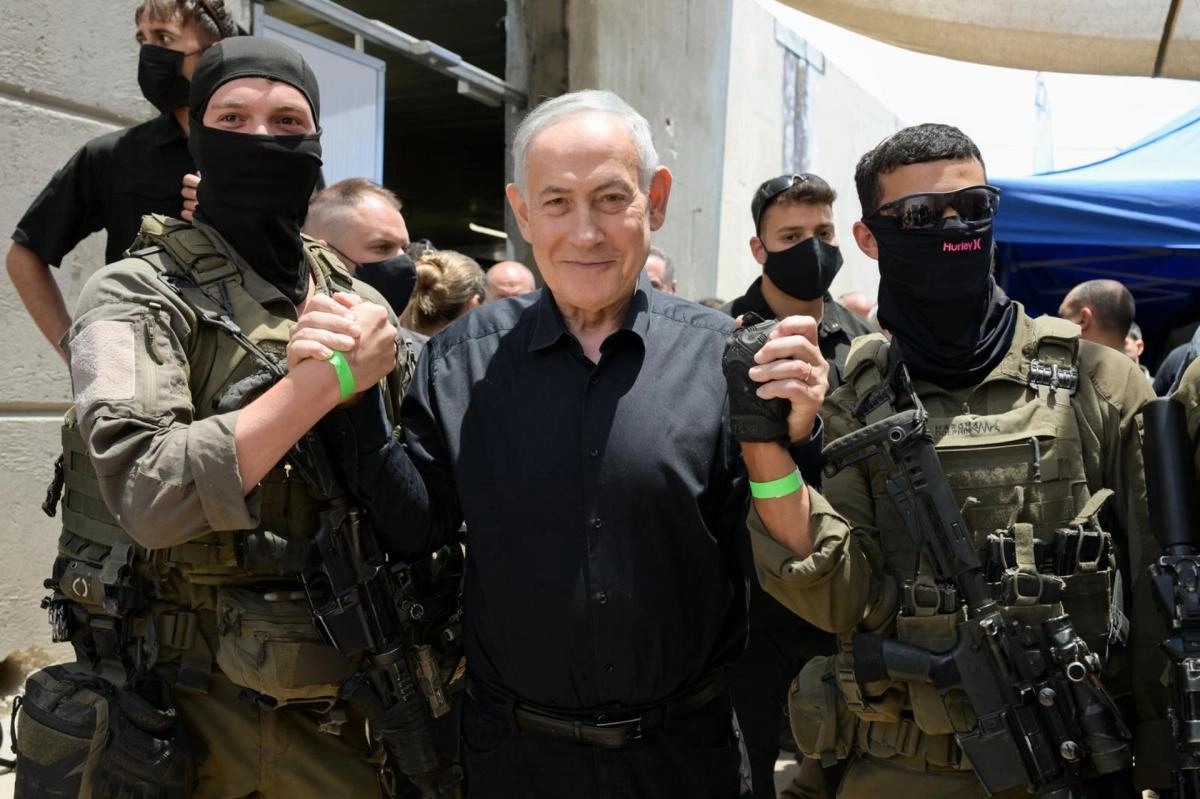

President Donald Trump would have had a tense telephone conversation with the Prime Minister of Israel, Benjamin Netanyahu, during which he expressed his rejection of the recent Israeli military escalation in Lebanon and warned of the diplomatic consequences that could arise from new attacks in Beirut, according to the American media Axios, citing officials familiar with the call.
According to the publication, Trump used an unusually harsh tone to question Israeli military strategy following the intensification of operations against targets linked to Hezbollah in Lebanese territory. The sources consulted by Axios, who spoke on condition of anonymity, said that the US president considered that Israel's actions threatened to further destabilize the region and complicate ongoing diplomatic efforts.
A second source briefed on the call said Trump was “furious” and at one point yelled at Netanyahu: “What the hell are you doing?” "What the hell are you doing?! (…) You're fucking crazy. You'd be in prison if it weren't for me. I'm saving your ass. Now everyone hates you and everyone hates Israel for this." This is, according to Axios, the content of the explosive call between the President of the United States, Donald Trump, and the Israeli Prime Minister, Benjamin Netanyahu.
The conversation came amid rising tension in the Middle East, after Israel announced an expansion of its military operations in southern Lebanon and evaluated additional attacks in areas near Beirut. At the same time, Iran warned that it could suspend negotiations with Washington if Israeli military actions continued.
Concern about regional impact and negotiations
According to the report, Trump expressed concern about the international impact that an eventual attack on the Lebanese capital would have. US officials cited by Axios indicated that the president believed that a large-scale offensive could increase Israel's diplomatic isolation and jeopardize efforts to reach agreements that reduce tension in the region.
The sources also noted that Trump expressed concern about the number of civilian casualties recorded during recent military operations. According to the report, the president considered some of the actions taken to neutralize Hezbollah objectives to be disproportionate.
Axios also reported that one of the sticking points was the possibility that the crisis would affect the indirect talks that the US administration seeks to hold with Iran. Washington's objective has been to promote mechanisms that contribute to containing the conflict and avoiding a regional expansion of the clashes.
True to form, Trump went to his Truth Social platform immediately after hanging up the phone to assure that the dust had calmed down and to boast of his control over the situation.
The president stated that he spoke with “Bibi” to stop the massive attack and that, after contacting Hezbollah intermediaries, both parties agreed to stop the mutual shooting.
Israel maintains its stance against Hezbollah
Despite diplomatic pressure, Netanyahu publicly reiterated that his government's position has not changed. In a statement after the conversation with Trump, the Israeli leader maintained that Israel will continue to act against threats from Hezbollah and warned that it will respond if the armed group resumes attacks against Israeli territory.
For their part, Lebanese authorities reported that Hezbollah agreed to reduce hostilities, while diplomatic contacts continue to avoid a new military escalation.
Trump also later claimed that he had held talks with representatives linked to the parties involved and assured that both Israel and Hezbollah committed to temporarily stopping the attacks. However, analysts consider that the situation remains fragile due to persistent mistrust between regional actors and the complexity of the ongoing negotiations.
The call between Trump and Netanyahu reflects growing differences over how to manage the crisis in Lebanon, even as both governments maintain close coordination on issues related to regional security and Iran's influence in the Middle East.